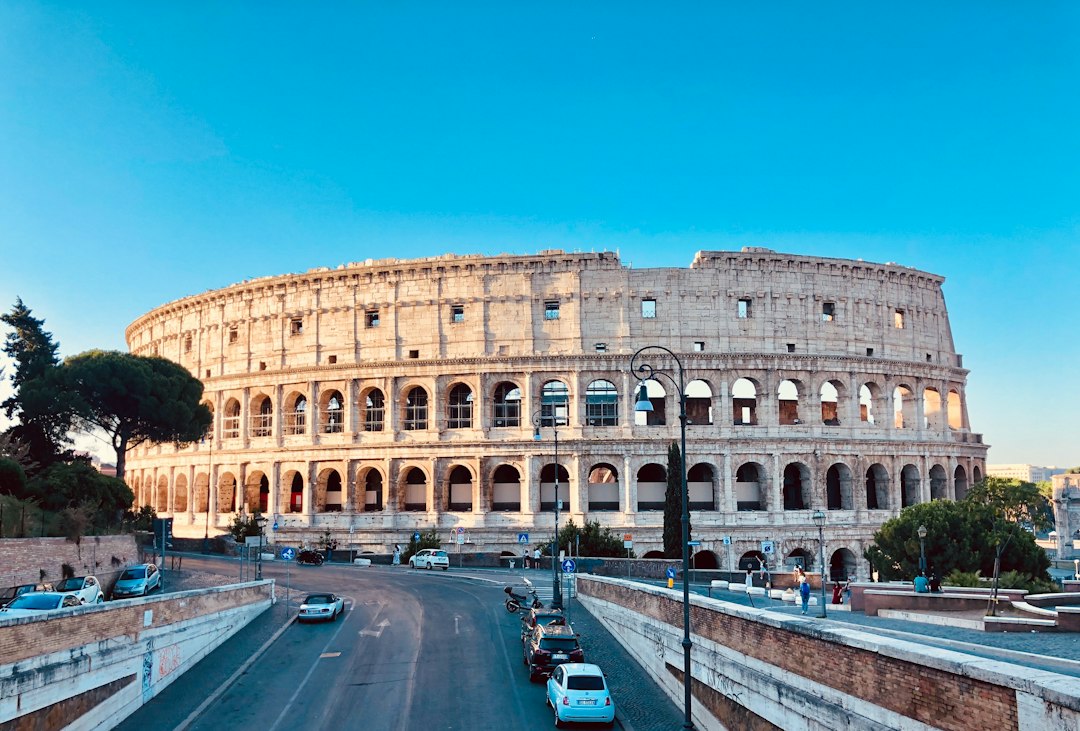

Imagine having three days in Rome and having to choose between the Colosseum, the Vatican Museums, Castel Sant'Angelo, and dozens of other historical sites spread over more than 1,285 square kilometers of the city. The walking distance between the Roman Forum and St. Peter's Basilica is about 3.5 km, but in between, there are alleys, markets, baroque churches, and trattorias that no paper guide can truly synthesize in a personalized way. Herein lies the real problem that travelers face every year in Rome: too much choice, too little time, zero context on how to logically connect everything.
In 2026, AI trip planners are radically changing this scenario. It is no longer about algorithms suggesting hotels based on stars or restaurants with four forks on TripAdvisor. Artificial intelligence applied to travel today is capable of building tailor-made itineraries, taking into account the personal pace of the traveler, actual opening hours, average wait times, and even cultural preferences. Rome, with its layered complexity of ancient history, Renaissance art, and modern life, is exactly the type of destination where these tools express their maximum potential.
How a modern AI trip planner really works in 2026
A modern AI trip planner does not just list attractions: it analyzes real-time data, learns from user preferences, and generates optimized itineraries that a human would take hours to build. For Rome, this means knowing that the Vatican Museums typically require 3-4 hours of visit, that the entrance ticket costs around 17-20 euros, and that the best time to visit the Sistine Chapel is early in the morning to avoid the 25,000 daily visitors. The AI processes these variables simultaneously and translates them into a concrete and feasible plan.
The difference from classic planning sites lies in the ability to adapt. If you are a fan of Baroque art, the AI will not only suggest the Trevi Fountain, but will also guide you to the Church of Sant'Ignazio di Loyola, just a few minutes' walk from the Pantheon, with its extraordinary illusionistic frescoes by Andrea Pozzo. If you have children, the itinerary will change completely, favoring open spaces like Villa Borghese and interactive activities. This deep personalization is at the heart of the ongoing revolution.
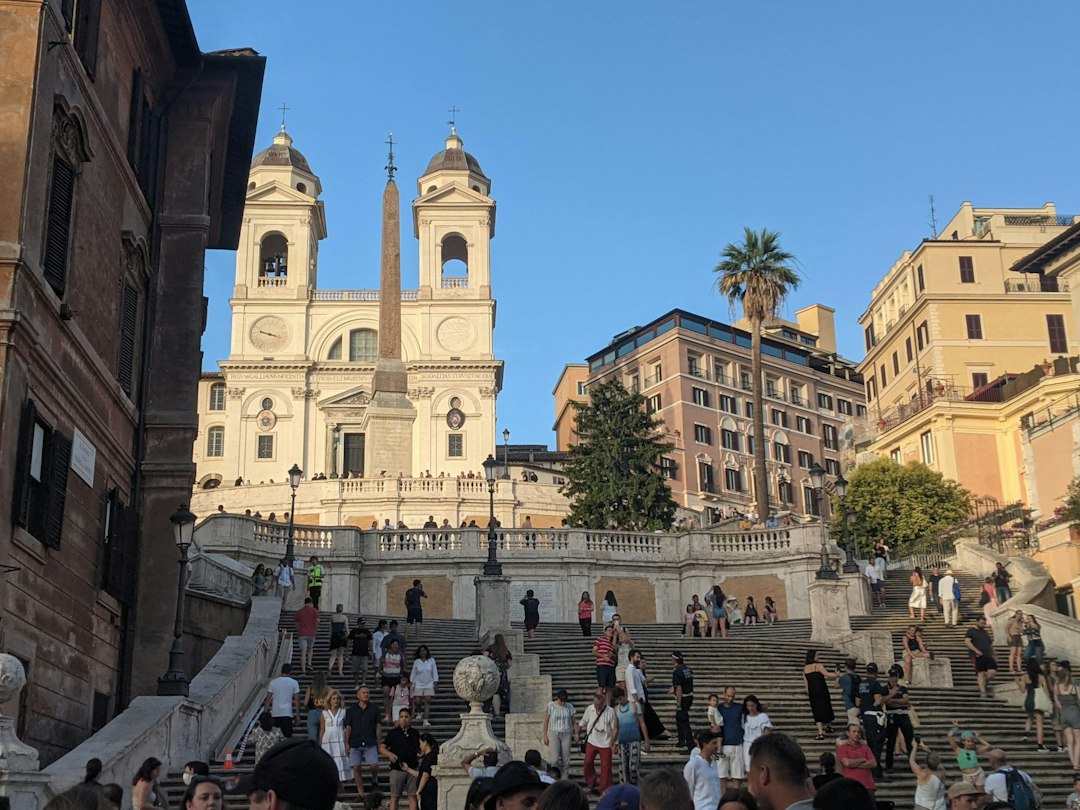
Secret World: the AI that knows Rome better than a local guide
Secret World is one of the most comprehensive tools in the landscape of AI trip planners 2026. With access to over 1 million destinations worldwide, the platform generates personalized itineraries in seconds, tailored to the number of available days, budget, and specific interests. For Rome, this translates into routes that rationally connect neighborhoods like Trastevere, the Jewish Ghetto, and Testaccio, avoiding unnecessary travel and maximizing actual exploration time.
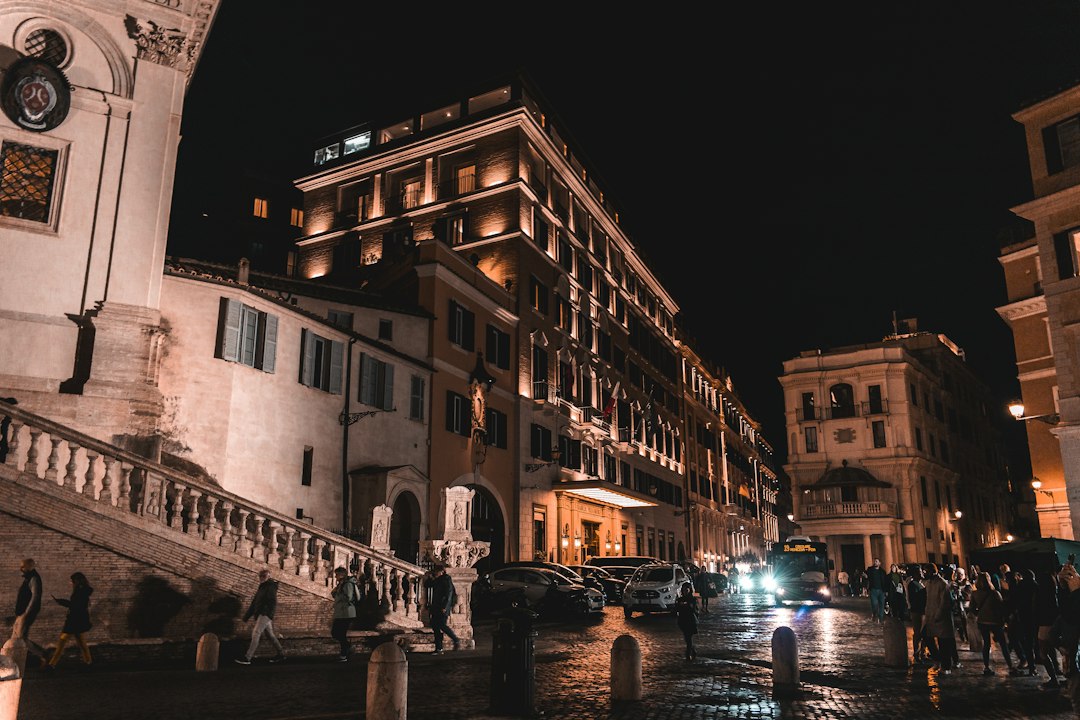
One of the most innovative features of Secret World is KnowWhere, a contextual intelligence system that provides practical and historical information at the exact moment you need it. Are you passing by the Arch of Septimius Severus at the Roman Forum? KnowWhere explains to you why it was built in 203 AD and what it represents, without you having to search for anything. Additionally, there are AI audio guides, available directly in the app, that turn every walk into an immersive narrative experience, with a level of detail that traditional rental audio guides (usually 5-8 euros per visit) cannot offer.
Rome in 48 hours: what changes with AI compared to do-it-yourself
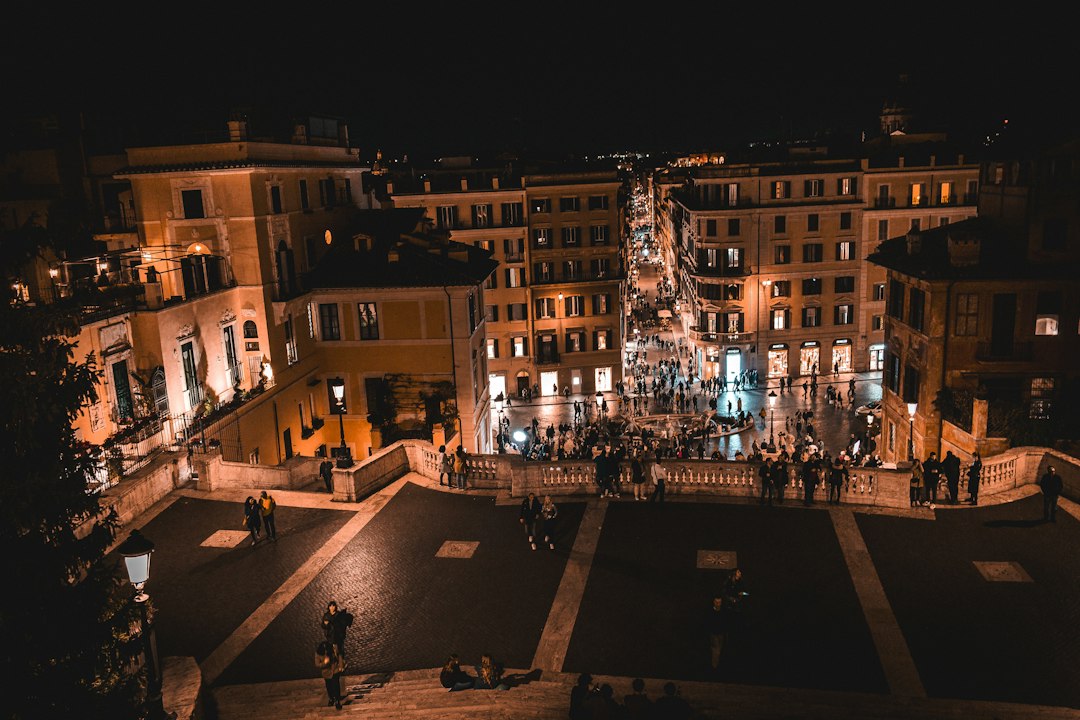
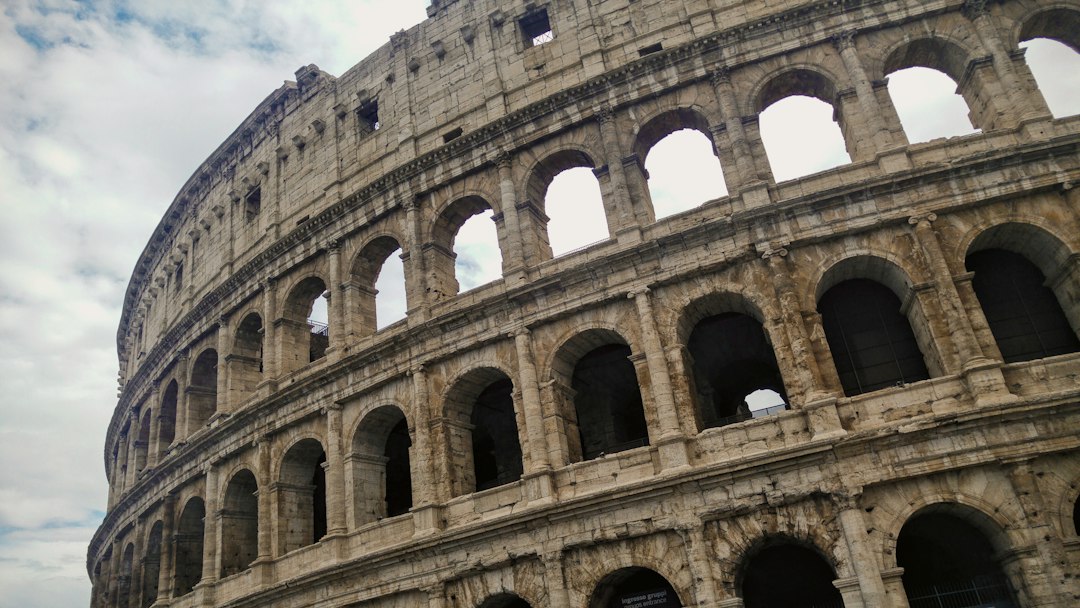
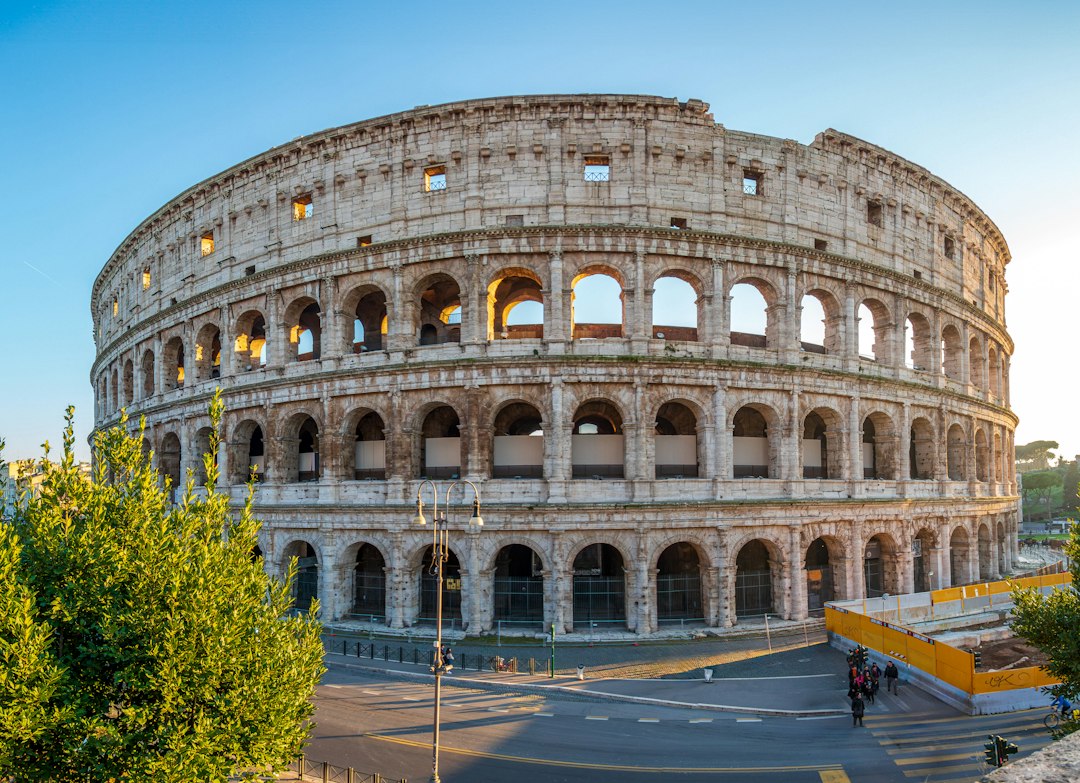
Planning 48 hours in Rome without AI support often means falling into classic traps: unexpected lines at the Colosseum (up to 2 hours without a reservation), tourist restaurants near the Pantheon with inflated prices, and itineraries that force you to backtrack. An AI trip planner like Secret World solves these problems upstream, creating a logical flow that starts, for example, from Palatine Hill early in the morning, descends to the Roman Forum, reaches the Circus Maximus, and concludes in Testaccio for lunch, all within a walkable distance.
The afternoon can be dedicated to Trastevere, reachable in about 20 minutes on foot from the Circus Maximus, with a stop at the Basilica of Santa Maria in Trastevere, one of the oldest in Rome, with free admission. On the second day, the AI will optimize the route to the Vatican, suggesting booking the Museums in advance and visiting Castel Sant'Angelo in the late afternoon, when the light on the Tiber is more beautiful and the lines are shorter. This level of logistical optimization is impossible to replicate manually in a reasonable time.
Download Secret World for free and start planning Rome today
Artificial intelligence applied to travel is no longer a future promise: it is a concrete tool that in 2026 is already changing the way millions of people discover cities like Rome. Whether you have a weekend or a whole week, whether you want to focus on classical art or explore the culinary scene of local markets, an AI trip planner allows you to arrive prepared, without wasting precious time on scattered research.
Secret World is available for free: download the app, enter Rome as your destination, and let the artificial intelligence build your perfect itinerary in seconds. With over a million mapped destinations, AI audio guides, and the KnowWhere system, you will have in your hands the most advanced planning tool available today for travelers who want to truly see a city, not just photograph it.