The scent of cardamom and fresh ginger spreads through the kitchens of Ananda in the Himalayas as early as dawn, when the chefs begin to prepare the decoctions and soups that will make up the therapeutic menus for the day. Located in Narendra Nagar, in the state of Uttarakhand, this resort occupies the former palace of the Maharaja of Tehri Garhwal, a royal residence built in the early decades of the twentieth century on the hills overlooking the Ganges, at about 1,000 meters above sea level. The main palace, with its cream-colored facades and terraced gardens, remains the architectural centerpiece of the entire property, also visible from the valley below.

What sets Ananda apart from other luxury resorts in India is the consistency with which the cuisine is integrated into the wellness journey. It is not a gourmet restaurant that adds some exotic spice to the menu, but a food system built around the principles of Ayurveda, the traditional Indian medicine that classifies foods based on their effects on the three doshas — the individual energy constitutions. Each guest receives a personalized dietary plan after an initial consultation with the resort's Ayurvedic doctor.
Ingredients from the Himalayan foothills
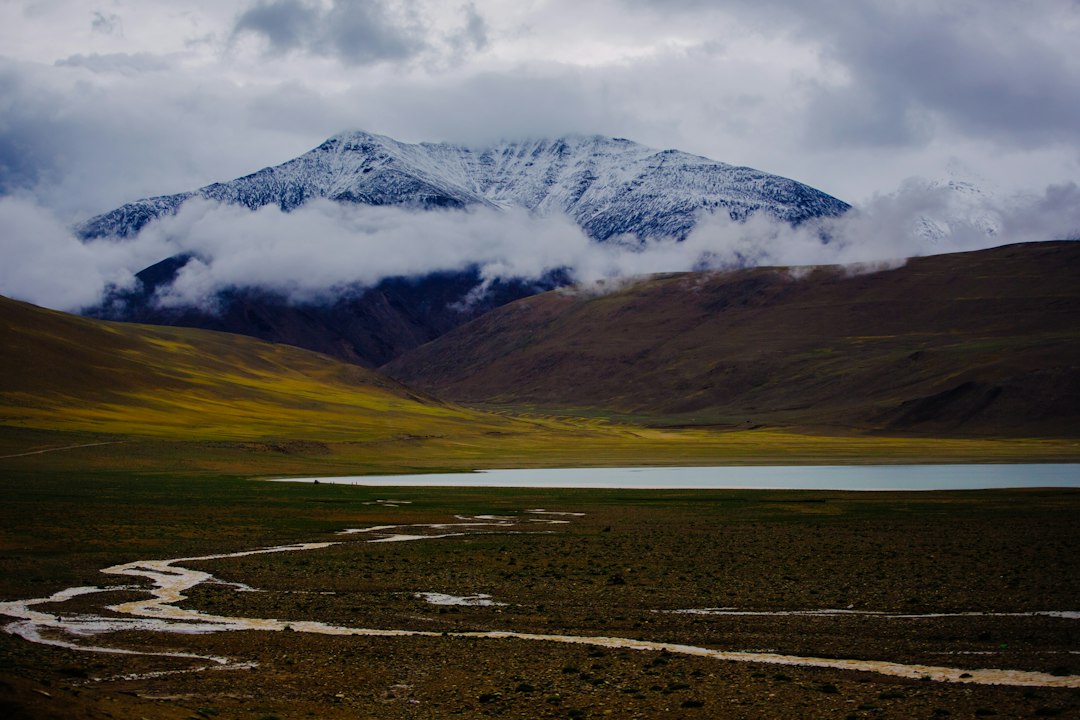
The cuisine of Ananda draws from a pantry that changes with the seasons and altitude. Herbs like moringa, tulsi (holy basil), and ashwagandha are used not as decoration but as functional components of the dishes. Moringa, in particular, often appears in morning soups and warm salads, providing iron and antioxidants in forms that Ayurvedic tradition considers easily absorbable.
Many of the ingredients come from the surroundings of Narendra Nagar and the hills of the Garhwal region, one of the areas in Uttarakhand where mountain agriculture has preserved ancient varieties of grains, legumes, and spices. Mandua — a local millet also known as finger millet — appears in breads and polentas served as an alternative to refined grains. Tasting it is a tangible experience: the texture is coarser than wheat, with a slightly earthy aftertaste that pairs well with the flavored ghee offered at the table.
The meal as a therapeutic practice
Meals at Ananda are not simply nutritious — they are designed as moments of mindfulness. The main dining room, overlooking the gardens and the Ganges valley, is designed to promote calm: no loud music, abundant natural light, spaced tables. Guests are encouraged to eat slowly and in silence at least during the first meal of the day, in line with Ayurvedic guidelines that consider digestion a process requiring mental as well as physical attention.

The menu changes daily and is divided into offerings for the three doshas: Vata, Pitta, and Kapha. Those with a Pitta constitution, which is more prone to inflammation, will receive refreshing dishes based on coconut, coriander, and fermented dairy. Those with a Kapha predominance will see warming spices like black pepper, dried ginger, and fenugreek in their menu. This personalization is real and verifiable: just compare the trays of two different guests to notice substantial differences in the composition of the dishes.
The guided culinary experiences
Ananda also offers sessions of Ayurvedic cooking led by the chefs of the facility, during which guests learn to prepare traditional recipes such as khichdi — a dish made with rice and lentils considered one of the most balanced foods in Indian tradition — and various medicinal chutneys. These sessions are generally held in the morning, when the temperature in the kitchens is still cool and light enters through the windows that open towards the hills.
During these lessons, it is possible to touch and smell the spices directly in their raw form: fresh turmeric has a much more intense orange color compared to the powdered version and leaves a persistent yellow stain on the hands. Long pepper (Piper longum), less common than black pepper in Western markets, is often presented as a key ingredient in some tonic preparations. These are sensory details that remain more vivid than any written description.
Practical tips for the visit
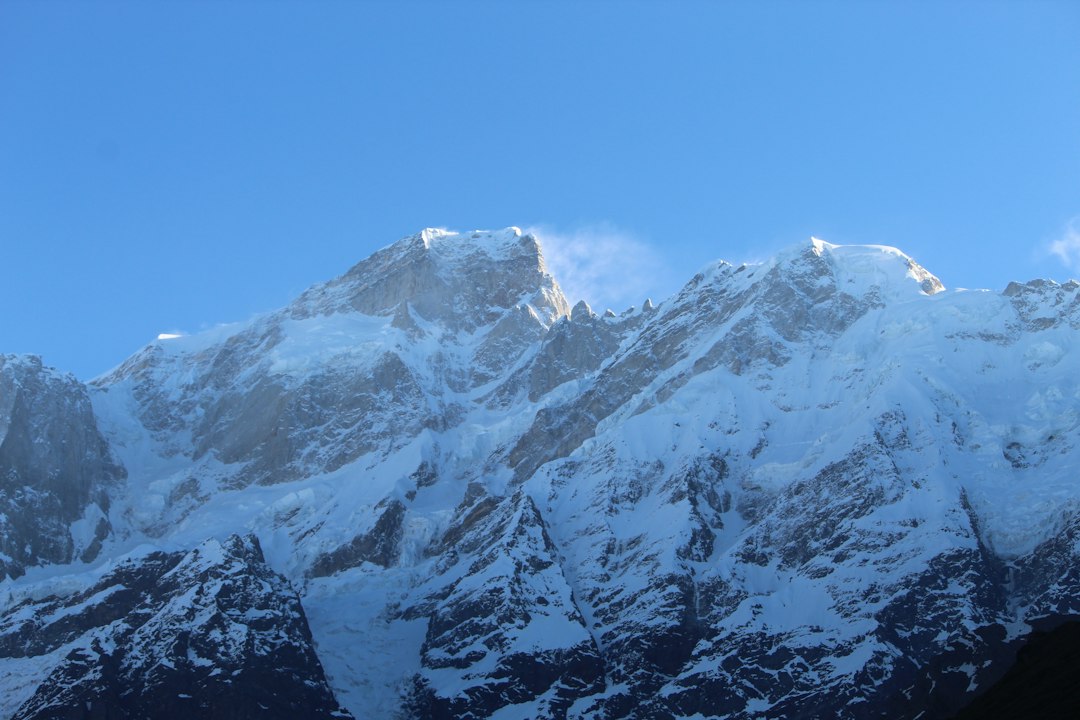
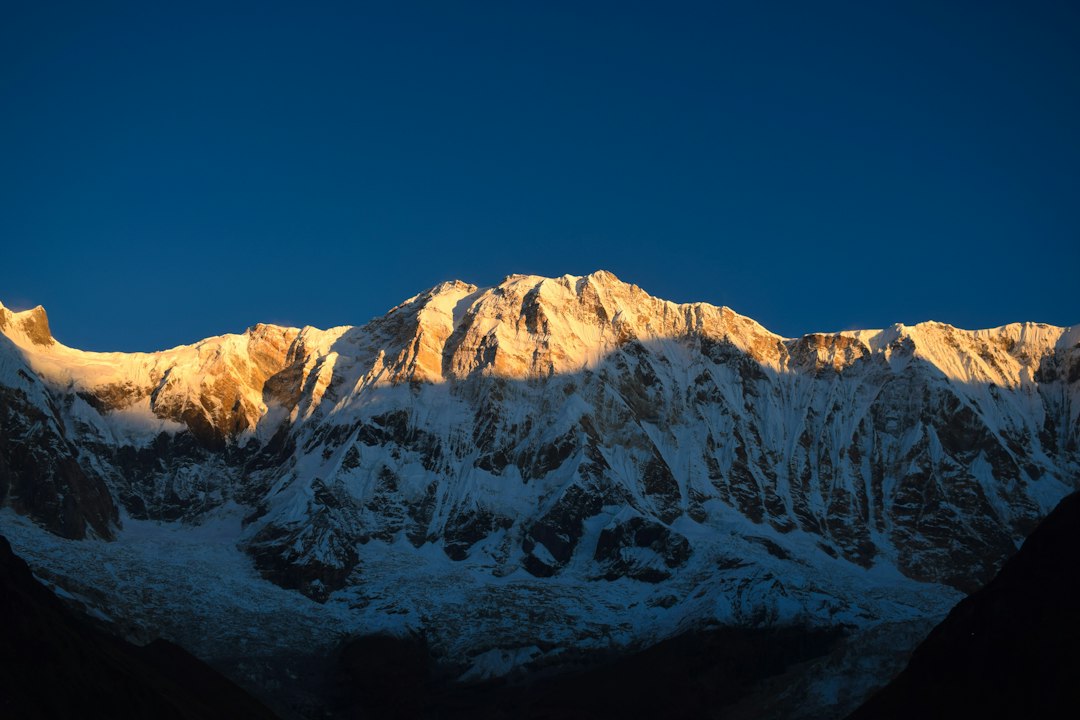
Ananda is located about 260 kilometers from Delhi, accessible by car or by a flight to Dehradun followed by a one-hour drive. The facility offers a private transfer service from Jolly Grant Airport in Dehradun. The best time to visit the resort to fully enjoy the dining experience and outdoor activities is from September to November and from March to June, when temperatures are mild and the sky is often clear, allowing for views of the Himalayan peaks in the morning hours.
It is advisable to book well in advance, especially for stays that include structured Ayurvedic programs, as the initial medical consultation takes time and the personalized meal plan is prepared before arrival. Bringing a food diary from the last few days can assist the Ayurvedic doctor and make the nutritional program more accurate. The minimum stays recommended by the facility for complete programs are generally five nights.