
← Back

Augustus Arch

Via Arco D'Augusto, 61032 Fano PU, Italia ★★★★☆ 152 views
Jane Blunt
Fano
🏆 AI Trip Planner 2026

Get the free app

Discover the best of Fano with Secret World — the AI trip planner with 1M+ destinations. Get personalized itineraries, hidden gems and local tips. Free on iOS & Android.

🧠 AI Itineraries 🎒 Trip Toolkit 🎮 KnowWhere Game 🎧 Audio Guides 📹 Videos
Scan to download iOS / Android
Scan for AppGallery Huawei users

About Augustus Arch

Augustus Arch - Fano | Secret World Trip Planner

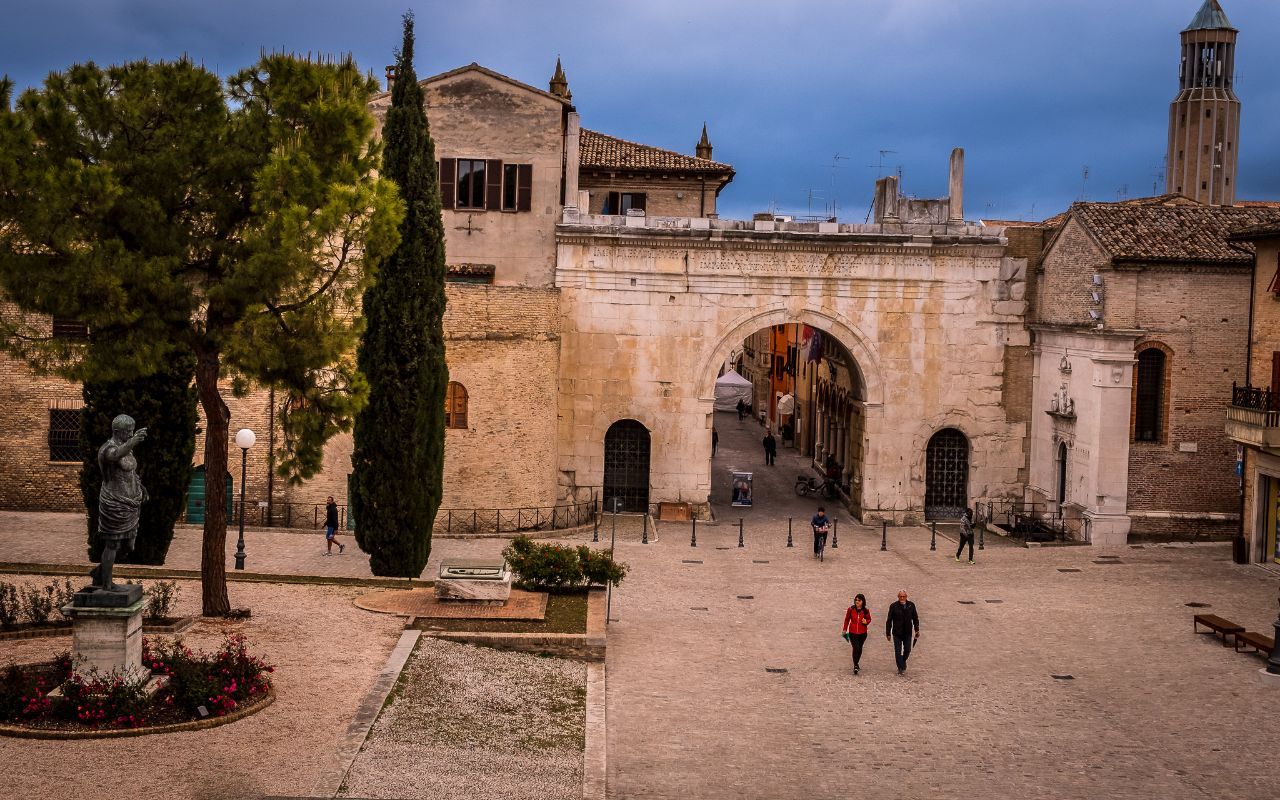
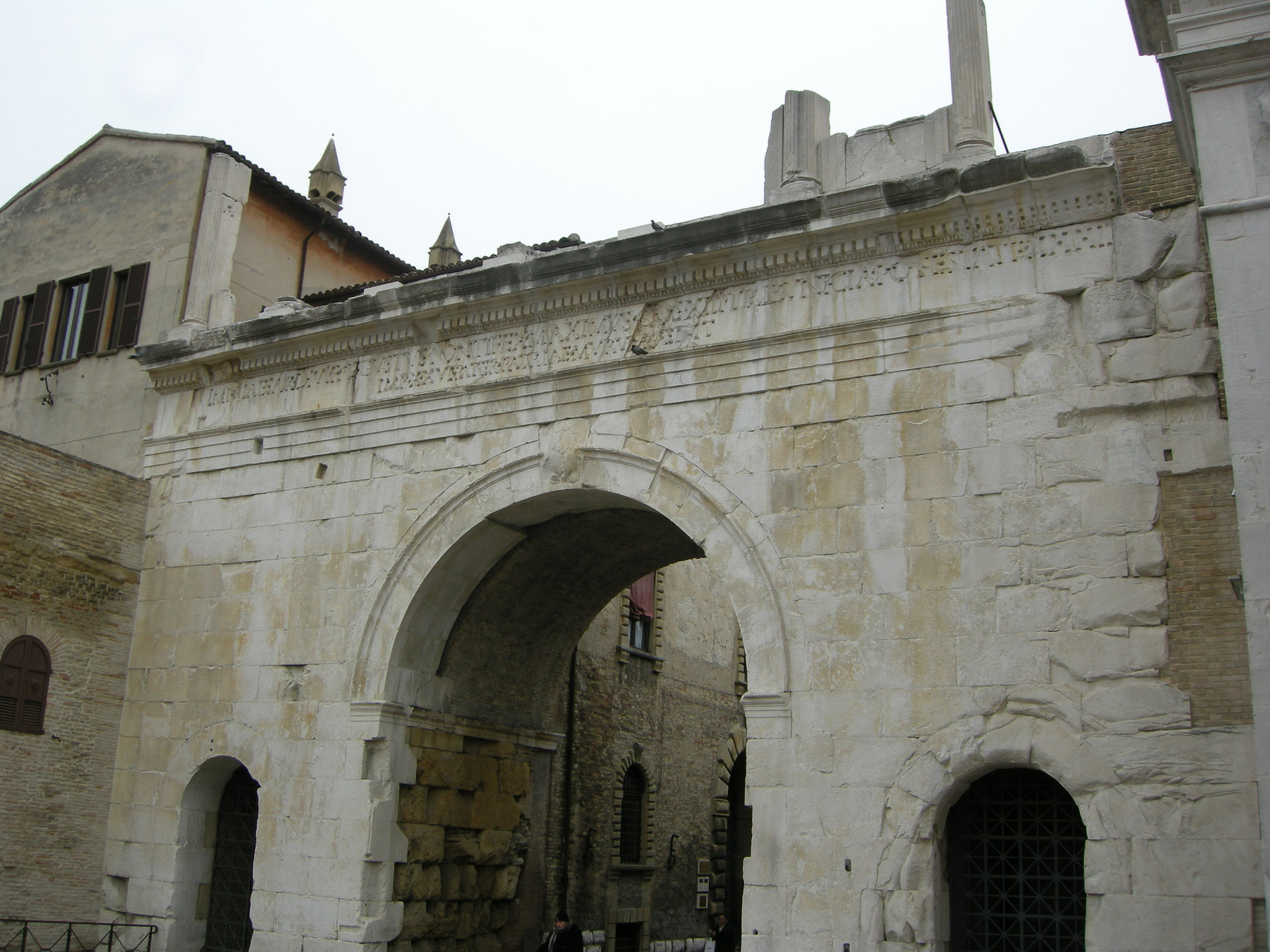
Always a symbol of the city of Fano, it was in Roman times the main gateway to the Colonia Julia Fanestris, deducted by the Emperor Augustus on the site of a settlement developed around the republican Fanum Fortunae (temple dedicated to the Goddess Fortuna). Built at the point where the Via Flaminia joins the city's Decumanus Maximus, the monument dates, via the frieze inscription, to 9 AD. Made externally of squared blocks of Istrian stone, the Porta is divided into two minor side fornixes and a major central fornix: the keystone of the latter is decorated with a representation of an animal that is no longer recognizable. The stones from the attic, demolished by the Duke of Urbino Federico da Montefeltro in 1463, were reused in the construction of the adjacent church of San Michele.

Augustus Arch - Fano | Secret World Trip Planner
🗺 L'app des trésors cachés

Plan your visit to Fano

Suggested itinerary near Augustus Arch

MAJ+
500.000+ travelers worldwide
  1. 🌅
    Morning
    Augustus Arch
    📍 Fano
  2. ☀️
    Afternoon
    Pesaro: Palazzo Stramigioli Ciacchi
    📍 11 km · Fano
  3. 🌆
    Evening
    Church of St. Ubaldo
    📍 11 km · Fano

Buy Unique Travel Experiences

Powered by Viator

See more on Viator.com

Explore nearby · Fano

Frequently Asked Questions

Augustus Arch was built in 9 AD during the reign of Emperor Augustus, as confirmed by the frieze inscription on the monument. It served as the main gateway to Colonia Julia Fanestris, a Roman settlement that Augustus established on the site of the earlier Fanum Fortunae temple dedicated to the Goddess Fortuna.
The Arch features a distinctive design with two smaller side archways (fornixes) flanking a larger central archway, all constructed from squared blocks of Istrian stone. The keystone of the central arch is decorated with an animal representation, though the specific creature is no longer recognizable today.
Augustus Arch is positioned at the junction where the Via Flaminia (the main Roman road) meets the city's Decumanus Maximus (the main east-west street), making it the primary entrance point to the Roman city. This central location makes it easily accessible and one of the city's most iconic landmarks.
The attic (upper section) of the Arch was demolished by Federico da Montefeltro, the Duke of Urbino, in 1463. The stones from this demolished section were subsequently reused in the construction of the adjacent Church of San Michele.
Augustus Arch has always been a symbol of Fano and represents the city's significant Roman heritage as the main gateway to Emperor Augustus's colonial settlement. The monument stands as one of the best-preserved examples of Roman architecture in the region and is central to understanding Fano's ancient past as a thriving Roman city.