
← Back

Church of San Gregorio Armeno

Via S. Gregorio Armeno, 1, 80138 Napoli, Italia ★★★★☆ 165 views
Emma Sileri
Napoli
🏆 AI Trip Planner 2026

Get the free app

Discover the best of Napoli with Secret World — the AI trip planner with 1M+ destinations. Get personalized itineraries, hidden gems and local tips. Free on iOS & Android.

🧠 AI Itineraries 🎒 Trip Toolkit 🎮 KnowWhere Game 🎧 Audio Guides 📹 Videos
Scan to download iOS / Android
Scan for AppGallery Huawei users

About Church of San Gregorio Armeno

Church of San Gregorio Armeno - Napoli | Secret World Trip Planner

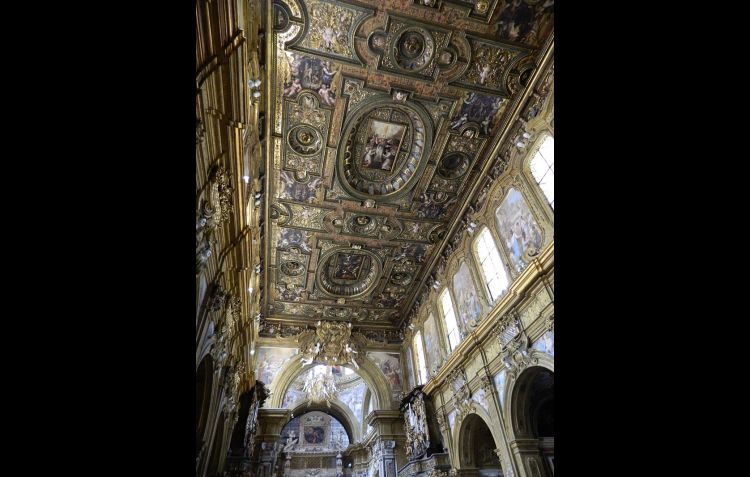
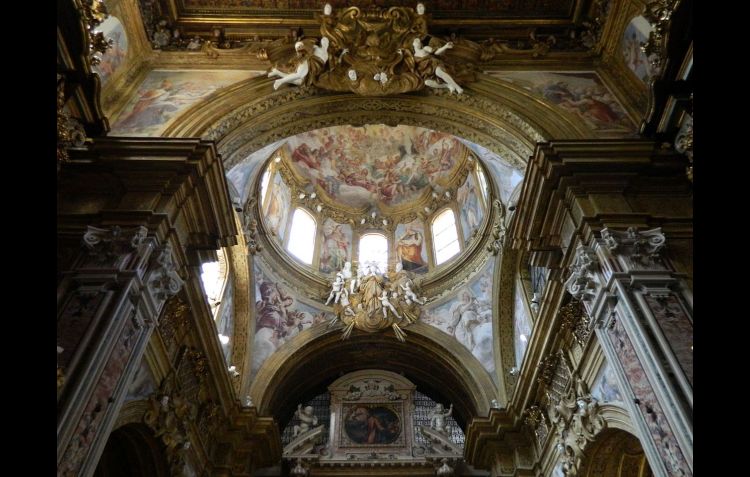
The basilica stands on the street of the same name and was built on the site where, according to legend, there was already the original structure erected by St. Helena, mother of Emperor Constantine. In fact, the ruins of the pagan temple dedicated to Ceres stood in the area. Here, Basilian nuns, who had escaped in the 8th century from Constantinople with the relics of St. Gregory, founded, at the behest of the bishop of Naples Stephen II, the Fondaco di San Gregorio, which was later joined with the monasteries of St. Sebastian and St. Pantaleon in 1225. After the Council of Trent, the stricter rules of the Counter-Reformation made it necessary to build a new structure to house the nuns. As evidence of this "migration," the bridge, later to become a bell tower, connecting the two structures remains. Between 1574 and 1580, thanks to the interest of Fulvia Caracciolo and Aunt Lucrezia, Vincenzo della Monica and Giovan Battista Cavagni were entrusted with the construction of the new church and monastery, later enlarged in 1694 by Francesco Antonio Picchetti. At the end of the work, only the Idria Chapel, accessible from the cloister, remained of the ancient structure. In the 18th century the church was enriched with typical Neapolitan Baroque elements, such as stucco, marble and brass. It was also equipped with an organ and two carved wooden choir lofts by architect Niccolò Tagliacozzi Canale, who worked in the structure between 1730 and 1750. The facade has four Tuscan pilasters, with three arched windows that were originally surmounted by a tympanum, later replaced by a third architectural order. The main portal dates from the late 16th century, and in each compartment of the three casements are carved in relief St. Lawrence, St. Stephen and the Evangelists. Past the initial atrium are memorial plaques commemorating the consecration of the church (1579), the dedication to St. Gregory Armeno, and the visit of Pius IX in 1849.
Church of San Gregorio Armeno - Napoli | Secret World Trip Planner
🗺 L'app des trésors cachés

Plan your visit to Napoli

Suggested itinerary near Church of San Gregorio Armeno

MAJ+
500.000+ travelers worldwide
  1. 🌅
    Morning
    Church of San Gregorio Armeno
    📍 Napoli
  2. ☀️
    Afternoon
    San Gaetano and the Neapolitan cribs
    📍 0 km · Napoli
  3. 🌆
    Evening
    The Blood of Saint Patrick and Singles
    📍 0.1 km · Napoli

Buy Unique Travel Experiences

Powered by Viator

See more on Viator.com

Explore nearby · Napoli

Frequently Asked Questions

The church was built on a site with deep historical roots, originally believed to have housed a structure erected by St. Helena, mother of Emperor Constantine, and later a pagan temple dedicated to Ceres. Basilian nuns who fled Constantinople in the 8th century with the relics of St. Gregory founded the Fondaco di San Gregorio here, which was merged with other monasteries in 1225 and rebuilt between 1574-1580 following Counter-Reformation guidelines.
The church features four Tuscan pilasters on its facade with three arched windows, and a magnificent main portal from the late 16th century carved with reliefs of St. Lawrence, St. Stephen, and the Evangelists. Inside, you'll find rich Neapolitan Baroque elements including stucco, marble, brass ornaments, and beautifully carved wooden choir lofts created by architect Niccolò Tagliacozzi Canale between 1730-1750.
The Idria Chapel, accessible from the cloister, is the only remaining part of the ancient original structure and offers a direct connection to the church's earliest history. The church also features an 18th-century organ and memorial plaques inside the atrium commemorating the 1579 consecration, the dedication to St. Gregory Armeno, and Pope Pius IX's visit in 1849.
After the Council of Trent, the Counter-Reformation imposed stricter rules that necessitated building a new structure to house the Basilian nuns. The construction took place between 1574 and 1580 under the patronage of Fulvia Caracciolo and her aunt Lucrezia, with the project entrusted to architects Vincenzo della Monica and Giovan Battista Cavagni.
The bridge, which later became a bell tower, connects the two monasteries and serves as physical evidence of the church's migration and expansion during the Counter-Reformation period. This architectural element represents the transition from the old monastic structures to the new church and monastery complex built in the late 16th century.