
← Back

Church of St. Philip Neri

Piazza Giuseppe Garibaldi, 67039 Sulmona AQ, Italia ★★★★☆ 239 views
Mia Lang
Sulmona
🏆 AI Trip Planner 2026

Get the free app

Discover the best of Sulmona with Secret World — the AI trip planner with 1M+ destinations. Get personalized itineraries, hidden gems and local tips. Free on iOS & Android.

🧠 AI Itineraries 🎒 Trip Toolkit 🎮 KnowWhere Game 🎧 Audio Guides 📹 Videos
Scan to download iOS / Android
Scan for AppGallery Huawei users

About Church of St. Philip Neri

Church of St. Philip Neri - Sulmona | Secret World Trip Planner

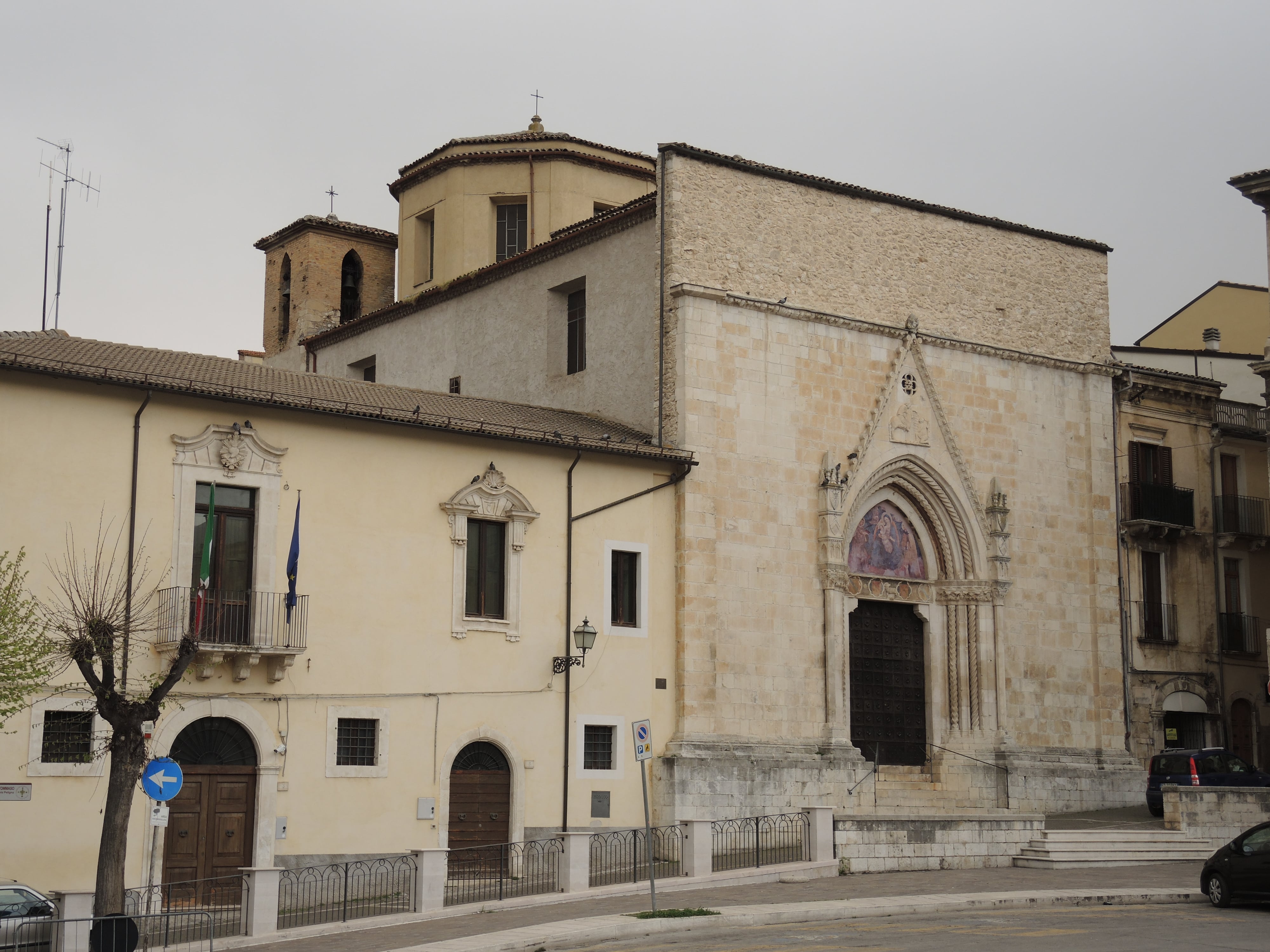
Construction of the church and oratory of St. Philip Neri began in the mid-17th century and was completed in 1677. In the beginning, however, the congregation was based-along with that of the Jesuit Fathers-at the church of St. Ignatius, located in Piazza XX Settembre and no longer extant; only later did it move to Piazza Maggiore, today's Piazza Garibaldi. The 1706 earthquake forced a reconstruction of the complex, for which Baron Giambattista Mazara magnanimously took charge between 1785 and 1794, meriting the memorial plaque placed on the right wall of the church; In 1799, with the suppression of the Philippine order, the Fathers left the city and the sacred building, abandoned and reduced to profane use, was turned into a bakery and also used for military purposes. Only in 1920 did the church regain its religious use, becoming the seat of the parish of St. Agatha. It is from here that the traditional event of the Madonna running away into the square, a joyful conclusion to Holy Week in Sulmona, begins on Easter morning. The church's most striking feature is its facade, which belonged to the vanished Gothic church of St. Augustine, erected in 1315 in the area where the War Memorial (Carlo Tresca Square) stands today. The church, remodeled after the 1706 earthquake, features an 18th-century Baroque language. The single hall with four side altars consists of two square bays covered by pseudo-domes. The two canvases of the side altars closest to the chancel, on the right the Sacred Hearts of Jesus and Mary, on the left the Immaculate Conception, are the work respectively of the Sulmonese Vincenzo Conti (1812) and Carlo Patrignani, another pupil of Patini, who executed it in the early 20th century. Also noteworthy is the organ in the counterfacade, of 19th-century workmanship, probably built by Pacifico Inzoli from Cremasque.


🗺 L'app des trésors cachés

Plan your visit to Sulmona

Suggested itinerary near Church of St. Philip Neri

MAJ+
500.000+ travelers worldwide
  1. 🌅
    Morning
    Church of St. Philip Neri
    📍 Sulmona
  2. ☀️
    Afternoon
    La Madonna che Scappa - Pasqua a Sulmona
    📍 0.2 km · Sulmona
  3. 🌆
    Evening
    Civic Museum of Sulmona
    📍 0.3 km · Sulmona

Buy Unique Travel Experiences

Powered by Viator

See more on Viator.com

Explore nearby · Sulmona

Frequently Asked Questions

Construction began in the mid-17th century and was completed in 1677, though the congregation initially worshipped at the Church of St. Ignatius before relocating to Piazza Maggiore (now Piazza Garibaldi). The church was severely damaged in the 1706 earthquake and required extensive reconstruction by Baron Giambattista Mazara between 1785 and 1794. After the suppression of the Philippine order in 1799, it fell into disuse and was converted into a bakery and military building until 1920, when it was restored and became the seat of the parish of St. Agatha.
The church's most striking feature is its facade, which originally belonged to the Gothic Church of St. Augustine that was erected in 1315 but no longer exists. This historic facade was relocated to the Church of St. Philip Neri after the 1706 earthquake, making it a rare surviving example of Sulmona's medieval religious architecture and a notable architectural treasure.
The church is the starting point for Sulmona's traditional Easter morning celebration known as the 'Madonna running away into the square,' a joyful procession that marks the conclusion of Holy Week festivities. This event is a unique local tradition that brings the community together on Easter Sunday and has been held from this location since the church regained its religious function in 1920.
The interior features an 18th-century Baroque design with a single hall divided by four side altars and two square bays covered by pseudo-domes. Notable artworks include two side altar canvases by Sulmonese artist Vincenzo Conti (Sacred Hearts of Jesus and Mary, 1812) and Carlo Patrignani (Immaculate Conception, early 20th century), plus a 19th-century organ in the counterfacade, likely built by Pacifico Inzoli from Cremona.
The church underwent reconstruction between 1785 and 1794 under the patronage of Baron Giambattista Mazara following the 1706 earthquake damage. In 1799, after the suppression of the Philippine order, the building was abandoned and fell into secular use, serving as a bakery and military facility until its religious restoration in 1920.