




← Back

Cripta di Epifanio

86071 Castel San Vincenzo IS, Italia ★★★★☆ 168 views
Milena De Laurentis
Castel San Vincenzo
🏆 AI Trip Planner 2026

Get the free app

Discover the best of Castel San Vincenzo with Secret World — the AI trip planner with 1M+ destinations. Get personalized itineraries, hidden gems and local tips. Free on iOS & Android.

🧠 AI Itineraries 🎒 Trip Toolkit 🎮 KnowWhere Game 🎧 Audio Guides 📹 Videos
Scan to download iOS / Android
Scan for AppGallery Huawei users

About Cripta di Epifanio

Cripta di Epifanio - Castel San Vincenzo | Secret World Trip Planner

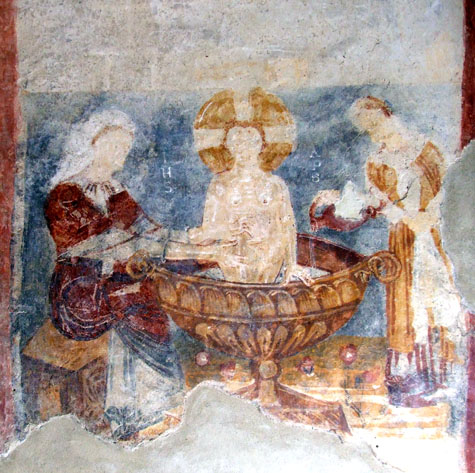
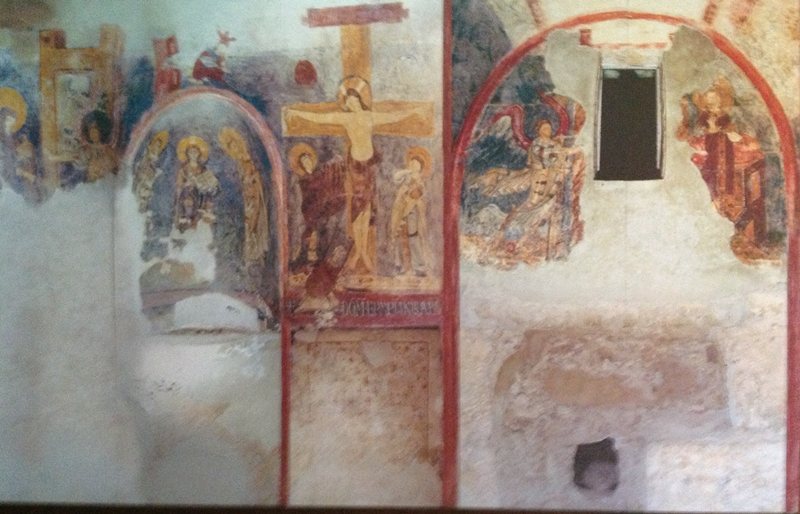
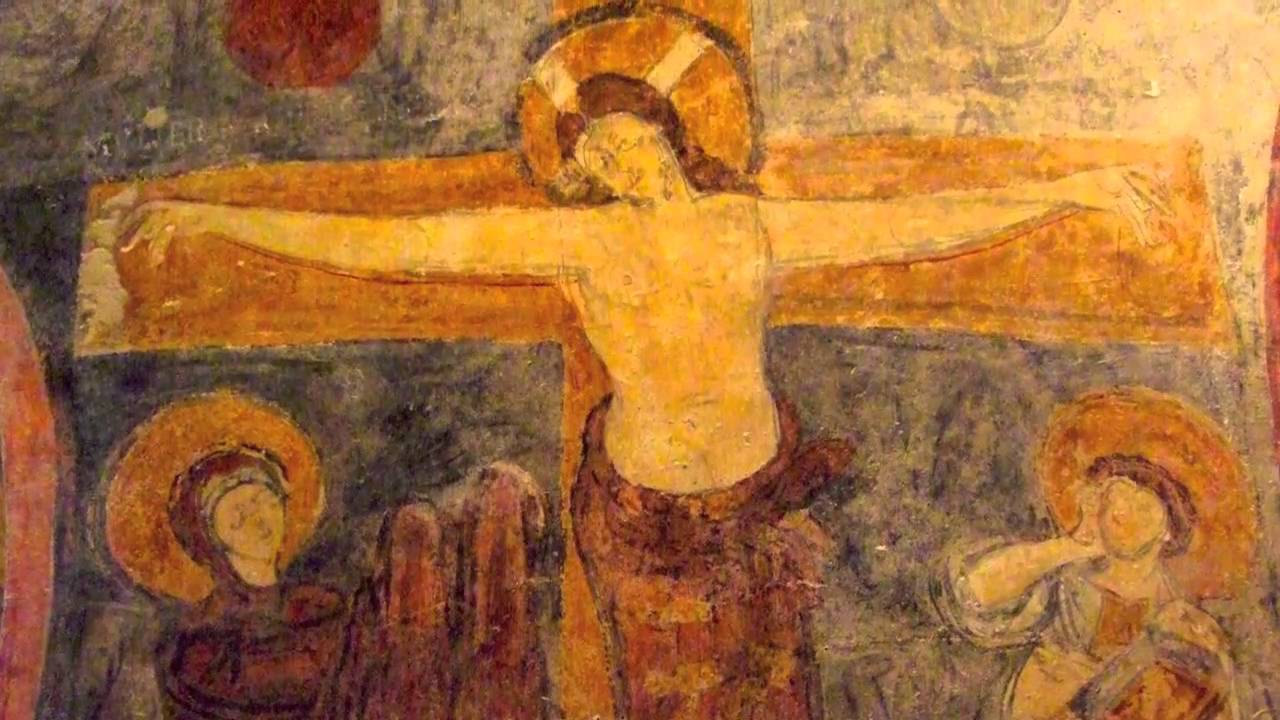
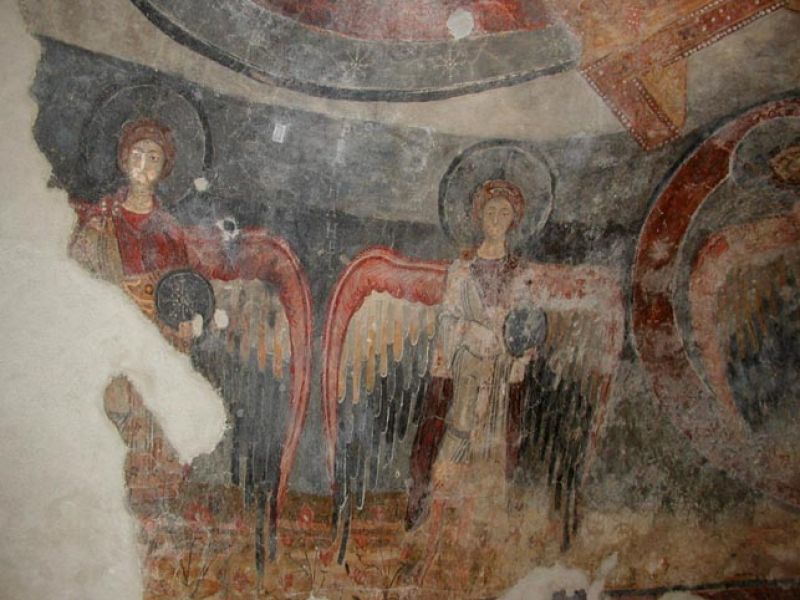
The frescoes decorating the Crypt of Epiphanius are among the most important testimonies of early medieval European painting, due to their technical and formal quality, the complexity of the themes depicted and their excellent state of preservation. The depictions begin with the image of an outstretched hand above the window of the northern arm, a symbol of the hand of the Eternal Father that alludes to the supernatural origin of light, the vehicle of revelation of Truth. The east wall depicts the Incarnation of the Word in Christ, the renewal of the covenant with man that enables his salvation (the Annunciation; Mary's pregnancy; the nativity; the washing of Christ; the Crucifixion, under which Abbot Epiphanius is depicted; the visit of the Pious Women to the Holy Sepulcher and within a niche Christ, St. Lawrence and St. Stephen). On the right of the eastern arm is a depiction of Mary Queen seated on a throne, dressed like a Byzantine empress. She holds the infant Jesus in her arms, holding the scroll of the law that renews the covenant agreement between God and man. Unidentified figures are portrayed at the figures' feet. The west wall, on the other hand, narrates the testimony of those who chose to believe in Jesus by accepting martyrdom. The group of depictions begins with Christ's descent into Limbo, painted in the vault above the entrance; they are followed on the wall by: a theory of saints in the act of offering Christ the jeweled crown, the symbol of their martyrdom; and, beyond the central apse, the tortures of St. Lawrence and St. Stephen, separated by a niche depicting a praying deacon. The narrative culminates in the apse where some elements of the visions John the Evangelist had and recorded in the Book of Revelation are depicted (the four angels at the four corners of the earth to restrain the winds and the fifth angel, perhaps Christ himself, rising from the East with the seal of the living God). Above the figure of the fifth angel is again Mary Queen, seated on a throne, in her hands she has an open book with the first verses of the "Magnificat" with which she thanks God for her miraculous motherhood. Her position may allude to her role as mediatrix between God the judge and humanity. Under the feet of the fifth angel there also remain traces of a small, genuflected figure, which the surviving letters of the inscription allow identification with an "episc[opus]" bishop, the probable patron of the work. Central is, finally, the image of Christ Pantocrator at the point where the arms cross. The decorative band that runs in the lower part of the walls reproduces the motifs of the fabrics that were used to suspend from the walls of churches; in particular, in front of the entrance, an apotropaic knot is depicted that served to ward off the forces of evil. Finally, in the apse, pelicans are reproduced, which, in Christian symbolism, are a metaphor for Christ's sacrifice at the Last Supper, because in order to feed their young they tear their skin offering their own blood.
Cripta di Epifanio - Castel San Vincenzo | Secret World Trip Planner
🗺 L'app des trésors cachés

Plan your visit to Castel San Vincenzo

Suggested itinerary near Cripta di Epifanio

MAJ+
500.000+ travelers worldwide
  1. 🌅
    Morning
    Cripta di Epifanio
    📍 Castel San Vincenzo
  2. ☀️
    Afternoon
    Castel San Vincenzo is a very small village in Abruzzo
    📍 0 km · Castel San Vincenzo
  3. 🌆
    Evening
    Lake of Castel San Vincenzo al Volturno
    📍 0.6 km · Castel San Vincenzo

Buy Unique Travel Experiences

Powered by Viator

See more on Viator.com

Explore nearby · Castel San Vincenzo

Frequently Asked Questions

The frescoes are among the most significant testimonies of early medieval European painting, valued for their exceptional technical and formal quality, the complexity of their religious themes, and their remarkable state of preservation. They showcase the artistic mastery and theological sophistication of early medieval artists.
The east wall illustrates the Incarnation of Christ and the renewal of God's covenant with humanity, featuring scenes including the Annunciation, Mary's pregnancy, the Nativity, the washing of Christ, the Crucifixion (with Abbot Epiphanius depicted below), and the visit of the Pious Women to the Holy Sepulcher. A niche also contains depictions of Christ with St. Lawrence and St. Stephen.
The west wall narrates the stories of Christian martyrs who chose faith in Jesus through accepting martyrdom, beginning with Christ's descent into Limbo in the vault and continuing with saints offering Christ a jeweled crown symbolizing their martyrdom. The wall culminates in scenes depicting the tortures of St. Lawrence and St. Stephen, separated by a praying deacon.
The apse depicts elements from the Book of Revelation as witnessed by St. John the Evangelist, including the four angels positioned at the four corners of the earth to restrain the winds and a fifth angel (possibly Christ himself) rising from the East with the seal of the living God. Mary Queen is depicted above the figure of the fifth angel.
The outstretched hand depicted above the window of the northern arm represents the hand of the Eternal Father, symbolizing the supernatural origin of light and serving as the vehicle for the revelation of divine Truth. This symbolic imagery reflects the theological importance of light in early medieval religious art.