
← Back

Epiphany Mosaic

Via Nicola Gigli, 23, 81057 Teano CE, Italia ★★★★☆ 91 views
Teresa Miucci
Teano
🏆 AI Trip Planner 2026

Get the free app

Discover the best of Teano with Secret World — the AI trip planner with 1M+ destinations. Get personalized itineraries, hidden gems and local tips. Free on iOS & Android.

🧠 AI Itineraries 🎒 Trip Toolkit 🎮 KnowWhere Game 🎧 Audio Guides 📹 Videos
Scan to download iOS / Android
Scan for AppGallery Huawei users

About Epiphany Mosaic

Epiphany Mosaic - Teano | Secret World Trip Planner

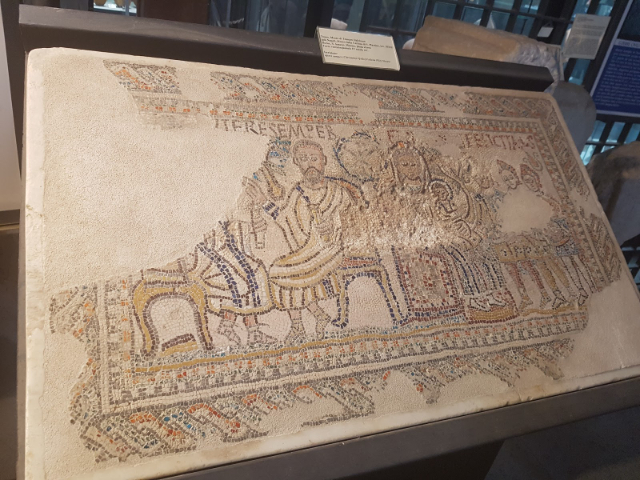
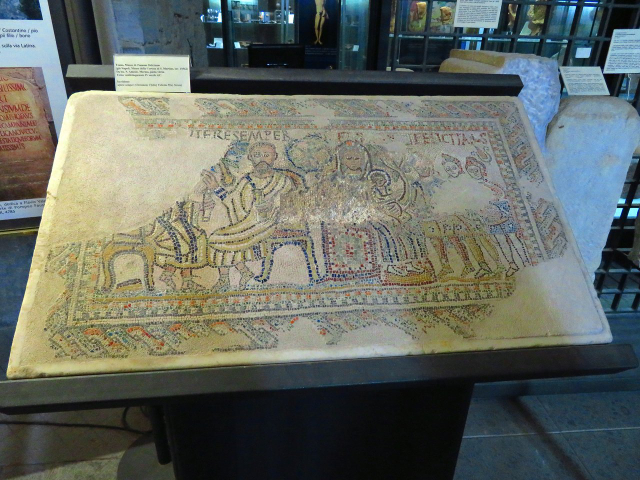
The mausoleum of the gens Geminia, dating from the fourth century (375-375), houses the oldest known mosaic representation of Epiphany to date. The mosaic features the Church fathers on the left and the nativity and adoring Magi on the right. It was commissioned by Felice Geminio for the tomb of his wife Felicita, as evidenced by the inscription. The mausoleum was discovered in 1906 and is located within the monumental complex of the Loggione or Cavallerizza, a splendid example of late Gothic architecture built in the 14th century. The museum houses artifacts belonging to the culture of the Sedicines, a people of Oscan lineage who developed their own original figurative art since the 6th century BCE. The main nuclei consist of the votive objects deposited in shrines, such as that of the goddess Popluna, later assimilated to Juno, and grave goods from the late 6th century B.C. to the 7th century A.D. The Theater, built at the end of the 2nd century B.C. and later enriched with columns of precious marble and refined decorations in the Augustan age, was part of an architectural complex that included a large artificial terrace and a temple, possibly dedicated to Apollo. In the 3rd century AD it took on grandiose forms when Septimius Severus endowed it with a cavea about 85 meters in diameter and a stage about 26 meters high, decorated with sculptures in the rarest and most precious marbles. After the fall of the Roman Empire, the building served as the foundation for an artisans' quarter and was rediscovered only in the 1960s. The viewing terrace of the Loggione currently hosts art events and meetings.

Epiphany Mosaic - Teano | Secret World Trip Planner
🗺 L'app des trésors cachés

Plan your visit to Teano

Suggested itinerary near Epiphany Mosaic

MAJ+
500.000+ travelers worldwide
  1. 🌅
    Morning
    Epiphany Mosaic
    📍 Teano
  2. ☀️
    Afternoon
    Archaeological Museum of Teanum Sidicinum
    📍 0 km · Teano
  3. 🌆
    Evening
    The Archaeological Museum of Teano
    📍 0.3 km · Teano

Buy Unique Travel Experiences

Powered by Viator

See more on Viator.com

Explore nearby · Teano

Frequently Asked Questions

The Epiphany Mosaic is the oldest known mosaic representation of the Epiphany, dating from the fourth century and housed in the mausoleum of the gens Geminia. It was commissioned by Felice Geminio for his wife Felicita's tomb and features Church fathers on the left side with the nativity and adoring Magi depicted on the right, making it an invaluable artifact of early Christian art.
The mosaic is located within the monumental complex of the Loggione or Cavallerizza, a splendid example of late Gothic architecture built in the 14th century. The mausoleum was discovered in 1906 and is now accessible as part of a museum that houses various cultural artifacts from the region's rich history.
The Loggione complex houses artifacts from the Sedicines culture, including votive objects and grave goods dating from the 6th century BCE to the 7th century AD. Additionally, you can explore the Theater, originally built in the 2nd century BCE and later magnificently expanded by Septimius Severus with a cavea 85 meters in diameter and a 26-meter-high stage decorated with precious marbles.
The Theater was constructed at the end of the 2nd century BCE and was enhanced during the Augustan age with precious marble columns and refined decorations. In the 3rd century AD, Septimius Severus transformed it into a grandiose structure, but after the Roman Empire's fall it became the foundation for an artisans' quarter and wasn't rediscovered until the 1960s.
The viewing terrace of the Loggione currently hosts art events and cultural meetings, making it an active venue for contemporary cultural programming. This transformation allows visitors to experience the site not only as a historical monument but also as a living space for artistic and social gatherings.