
← Back

Filangieri Palace Museum

Via Duomo, 288, 80138 Napoli, Italia ★★★★☆ 246 views
Radika Shah
Napoli
🏆 AI Trip Planner 2026

Get the free app

Discover the best of Napoli with Secret World — the AI trip planner with 1M+ destinations. Get personalized itineraries, hidden gems and local tips. Free on iOS & Android.

🧠 AI Itineraries 🎒 Trip Toolkit 🎮 KnowWhere Game 🎧 Audio Guides 📹 Videos
Scan to download iOS / Android
Scan for AppGallery Huawei users

About Filangieri Palace Museum

Filangieri Palace Museum - Napoli | Secret World Trip Planner

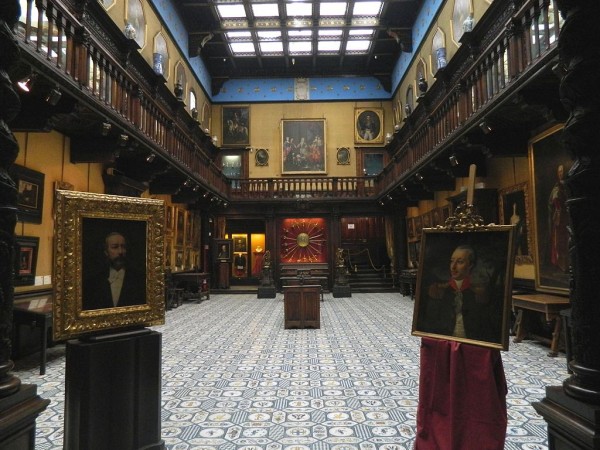
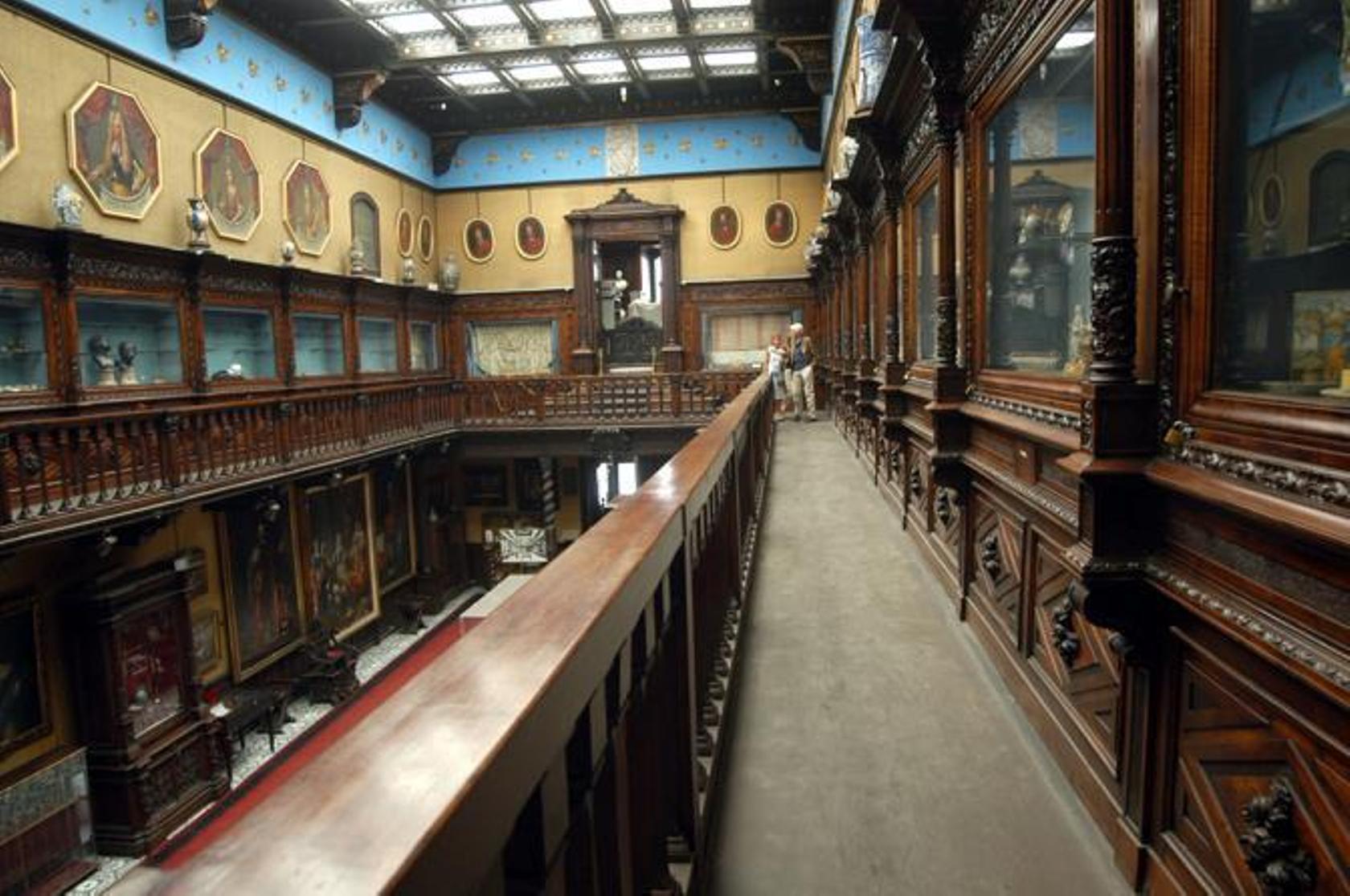
The "Gaetani Filangieri" civic museum is housed in the 15th-century Como palace, built between 1464 and 1490 by the wealthy merchant Angelo Como (or Cuomo) in the forms of the Florentine Renaissance to a design, perhaps, by Giuliano da Maiano. In 1881-82 to widen the street it was demolished and rebuilt 20 meters further back.The museum, inaugurated in 1888, was founded by Gaetano Filangieri iuniore (1824-92), prince of Satriano, who gathered there all his various and valuable art and numismatic collections, the library and the Filangieri archives. Unfortunately, some of the collected material was destroyed in the fire set by German troops in the San Paolo di Belsito depot in September 1943. The museum also has a detached section in Villa Livia at Grifeo Park 13, donated by Domenico de Luca Montalto, with collections of paintings, porcelain, and furniture and where the International Center for Numismatic Studies is based. The museum is currently closed to the public.
Filangieri Palace Museum - Napoli | Secret World Trip Planner

The Filangieri Museum, created to constitute a "Museum of the City," exhibited, at the time of its inauguration in 1888, the works brought together for that purpose by the prince's collecting expertise over a twenty-year period, which had been kept in the Filangieri house up to that time.Of this original nucleus, Filangieri drew up a printed catalog, published in 1888, which had the dual function of a patrimonial inventory and a museum guide. It perfectly reflects, through the works catalogued, the idea of the museum as an educational tool, and therefore one of progress for the city.Unfortunately, a large part of the collections (paintings, sculptures, porcelain and miniatures) was destroyed during World War II due to a fire set by the German military in the San Paolo di Belsito depot.Later, thanks to material from the depots and various donations, the collections were reconstructed and the museum was reopened to the public in 1948.


Filangieri Palace Museum - Napoli | Secret World Trip Planner
🗺 L'app des trésors cachés

Plan your visit to Napoli

Suggested itinerary near Filangieri Palace Museum

MAJ+
500.000+ travelers worldwide
  1. 🌅
    Morning
    Filangieri Palace Museum
    📍 Napoli
  2. ☀️
    Afternoon
    Naples | Gaetano Filangieri Civic Museum
    📍 0 km · Napoli
  3. 🌆
    Evening
    Fried Poppers
    📍 0.1 km · Napoli

Buy Unique Travel Experiences

Powered by Viator

See more on Viator.com

Explore nearby · Napoli

Frequently Asked Questions

The museum was inaugurated in 1888 by Gaetano Filangieri iuniore, prince of Satriano, who spent twenty years gathering valuable art, numismatic collections, and his personal archives. The palazzo itself dates back to the 15th century, originally built between 1464 and 1490 by wealthy merchant Angelo Como in the Florentine Renaissance style.
Unfortunately, the museum is currently closed to the public. However, it has a detached section located at Villa Livia in Grifeo Park that may offer alternative access to some of the collections, including paintings, porcelain, and furniture.
A significant portion of the original collections, including paintings, sculptures, porcelain, and miniatures, was destroyed in September 1943 when German troops set a fire at the San Paolo di Belsito depot where items were stored. Despite this loss, the collections were later reconstructed through materials from other depots and donations, and the museum was reopened to the public in 1948.

Villa Livia at Grifeo Park 13 is a detached section of the Filangieri Museum that was donated by Domenico de Luca Montalto and contains collections of paintings, porcelain, and furniture. The International Center for Numismatic Studies is also based at this location, reflecting the museum's strong numismatic heritage.
The 15th-century palazzo was demolished and rebuilt 20 meters further back in 1881-82 to allow for street widening in the city. Despite this relocation, the building retained its Renaissance character and continued to house the Filangieri collections after the museum's inauguration in 1888.