





← Back

Gaeta

Gaeta LT, Italia ★★★★☆ 160 views
Loredana Sico
Gaeta
🏆 AI Trip Planner 2026

Get the free app

Discover the best of Gaeta with Secret World — the AI trip planner with 1M+ destinations. Get personalized itineraries, hidden gems and local tips. Free on iOS & Android.

🧠 AI Itineraries 🎒 Trip Toolkit 🎮 KnowWhere Game 🎧 Audio Guides 📹 Videos
Scan to download iOS / Android
Scan for AppGallery Huawei users

About Gaeta

Gaeta - Gaeta | Secret World Trip Planner

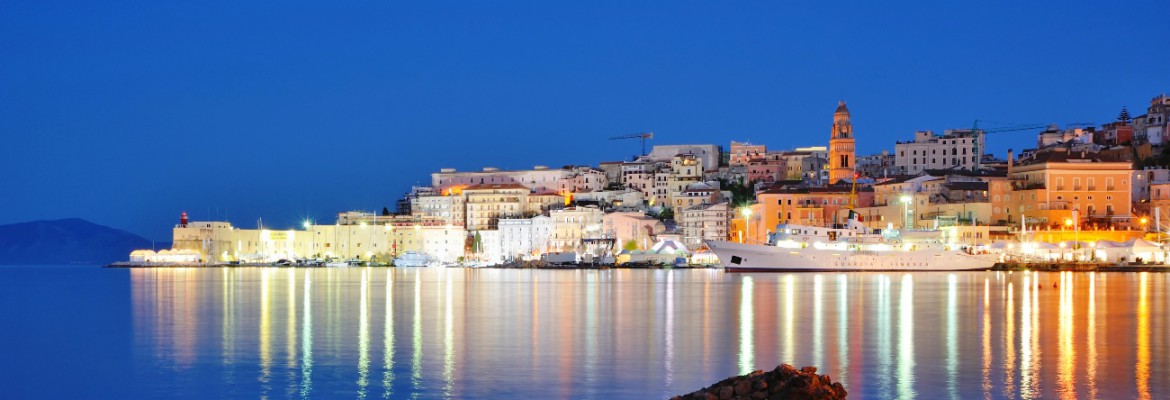
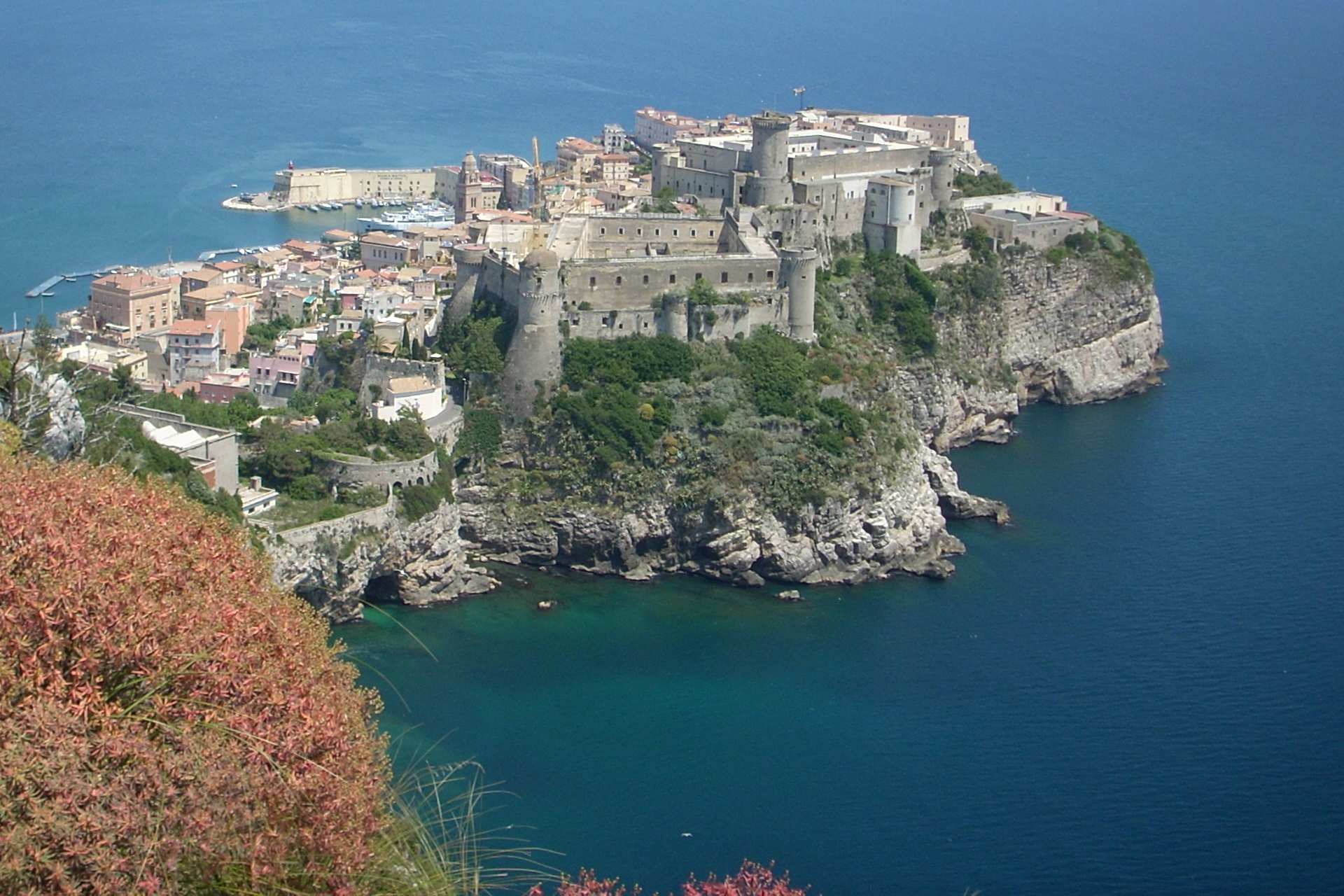
The origins of Gaeta's name are still shrouded in legend: Strabo indicated its origin from the term "Caiatas" used by Laconian fishermen to refer to the site, with clear reference to the wide inlet of its gulf; Diodorus Siculus connected these lands to the myth of the Argonauts by deriving the name of the city from "Aietes," mythical father of Medea (daughter of Circe), the sorceress in love with Jason. Virgil, in the "Aeneid" (Aeneid, VII, 1-4) found its origin in the name of Aeneas's nurse, "Cajeta," buried by the Trojan hero at that site during his journey to the Latian coast. Dante, as if to signify the historicity of the Aeneid, confirmed the event (Inferno, XXVI, 92). The first settlements in Gaeta's territory date back to the eighth century B.C., but it was not until 345 B.C. that it came under the influence of Rome. During the Roman period Gaeta became a popular resort frequented by emperors, wealthy Roman patricians, consuls and famous senators of the time. A new Roman road, the Via Flacca, shorter than the Appian Way, was even built to facilitate their coming. With the decline of the Western Roman Empire a dark period of transition began, characterized by continuous looting by first barbarian populations and then Saracens. Precisely because of its characteristic position on a natural peninsula, easily defensible, it slowly became a "castrum": Gaeta was fortified with city walls and on the slopes of Mount Orlando; on the high area of the ancient medieval village arose the castle of Gaeta to defend the town, and the populations of the surrounding areas moved inside the walls to find hospitality, shelter and protection. The first news of the castle dates back to the 6th century A.D. in the war against the Goths, in the 10th century it is mentioned within the "Codex" charters, but certain news of its existence comes in the 12th century, during the Swabian domination. In fact, Frederick II of Swabia came to Gaeta on several occasions and, during the struggles between the Guelphs and Ghibellines, created fortifications to better defend the borders of his kingdom: in 1223 he had those built for the castle of Gaeta (which therefore already existed at the time). Under Spanish rule, which began in 1504, the role of "stronghold of the Kingdom of Naples" was even more pronounced, and the city was equipped with brand new bastioned fortifications, on the slopes of Mount Orlando upgraded against the latest and most powerful guns.
Gaeta - Gaeta | Secret World Trip Planner

The city, historically part of the ancient province of Terra di Lavoro in Campania, was transferred to Lazio in the Fascist period, when it was incorporated into the nascent Province of Littoria (Latina)


Gaeta - Gaeta | Secret World Trip Planner
🗺 L'app des trésors cachés

Plan your visit to Gaeta

Suggested itinerary near Gaeta

MAJ+
500.000+ travelers worldwide
  1. 🌅
    Morning
    Gaeta
    📍 Gaeta
  2. ☀️
    Afternoon
    Turkish Cave
    📍 0.6 km · Gaeta
  3. 🌆
    Evening
    Temple of San Francesco
    📍 0.8 km · Gaeta

Buy Unique Travel Experiences

Powered by Viator

See more on Viator.com

Explore nearby · Gaeta

Frequently Asked Questions

Gaeta's name has multiple legendary origins: Strabo believed it came from 'Caiatas,' a term used by Laconian fishermen to describe the wide inlet; Diodorus Siculus linked it to the Argonauts myth and the name 'Aietes,' father of Medea; and Virgil famously attributed it to Aeneas's nurse Cajeta, who was buried there during the Trojan hero's journey to Latium. Dante later confirmed Virgil's account in his Inferno, lending historical credibility to the Aeneid's version.
Gaeta Castle first appeared in historical records during the 6th century A.D. during the war against the Goths, and was mentioned in 10th-century charters within the Codex. Certain evidence of its existence dates to the 12th century during Swabian rule, when Frederick II of Swabia visited Gaeta several times, making it an important medieval fortification.
During the Roman period, Gaeta attracted emperors, wealthy patricians, consuls, and famous senators who sought refuge in this naturally defensible peninsula location. The Romans even constructed the Via Flacca, a new road shorter than the Appian Way, specifically to facilitate easier access to Gaeta from Rome.
Following the decline of the Western Roman Empire, Gaeta faced invasions from barbarian populations and Saracens, prompting its residents to fortify the town with city walls and defensive structures on Mount Orlando's slopes. The naturally defensible peninsula position allowed it to slowly evolve into a 'castrum' where surrounding populations sought shelter and protection within the fortified walls.
Although the first settlements in Gaeta's territory date back to the eighth century B.C., the city did not come under Roman influence until 345 B.C. From that point forward, it became an increasingly popular destination for Rome's elite until the empire's decline in the west.