
← Back

Hermitage of St. Bartholomew in Legio

65020 Roccamorice PE, Italia ★★★★☆ 144 views
Judith Yale
Roccamorice
🏆 AI Trip Planner 2026

Get the free app

Discover the best of Roccamorice with Secret World — the AI trip planner with 1M+ destinations. Get personalized itineraries, hidden gems and local tips. Free on iOS & Android.

🧠 AI Itineraries 🎒 Trip Toolkit 🎮 KnowWhere Game 🎧 Audio Guides 📹 Videos
Scan to download iOS / Android
Scan for AppGallery Huawei users

About Hermitage of St. Bartholomew in Legio

Hermitage of St. Bartholomew in Legio - Roccamorice | Secret World Trip Planner

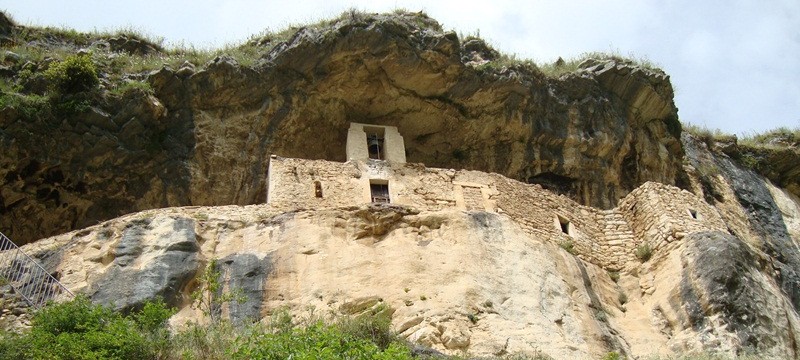
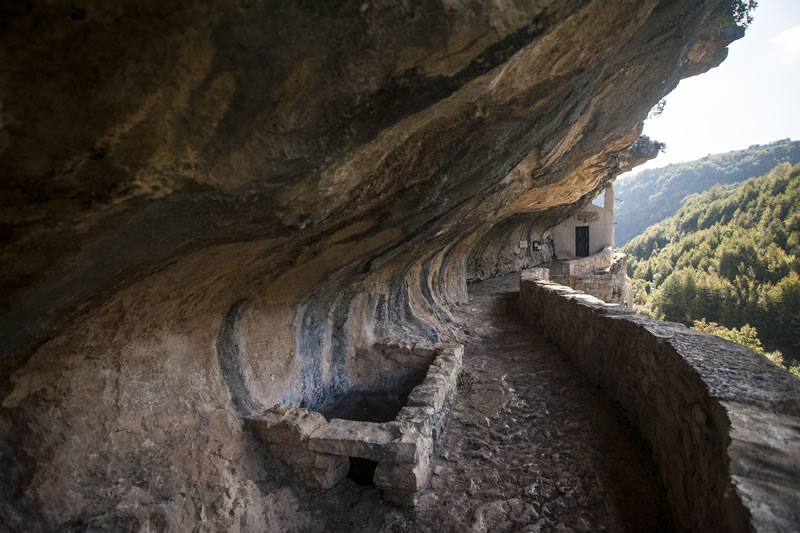
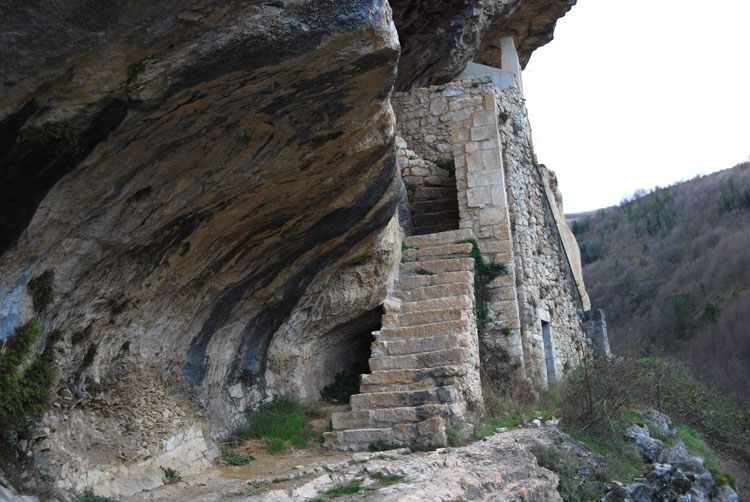
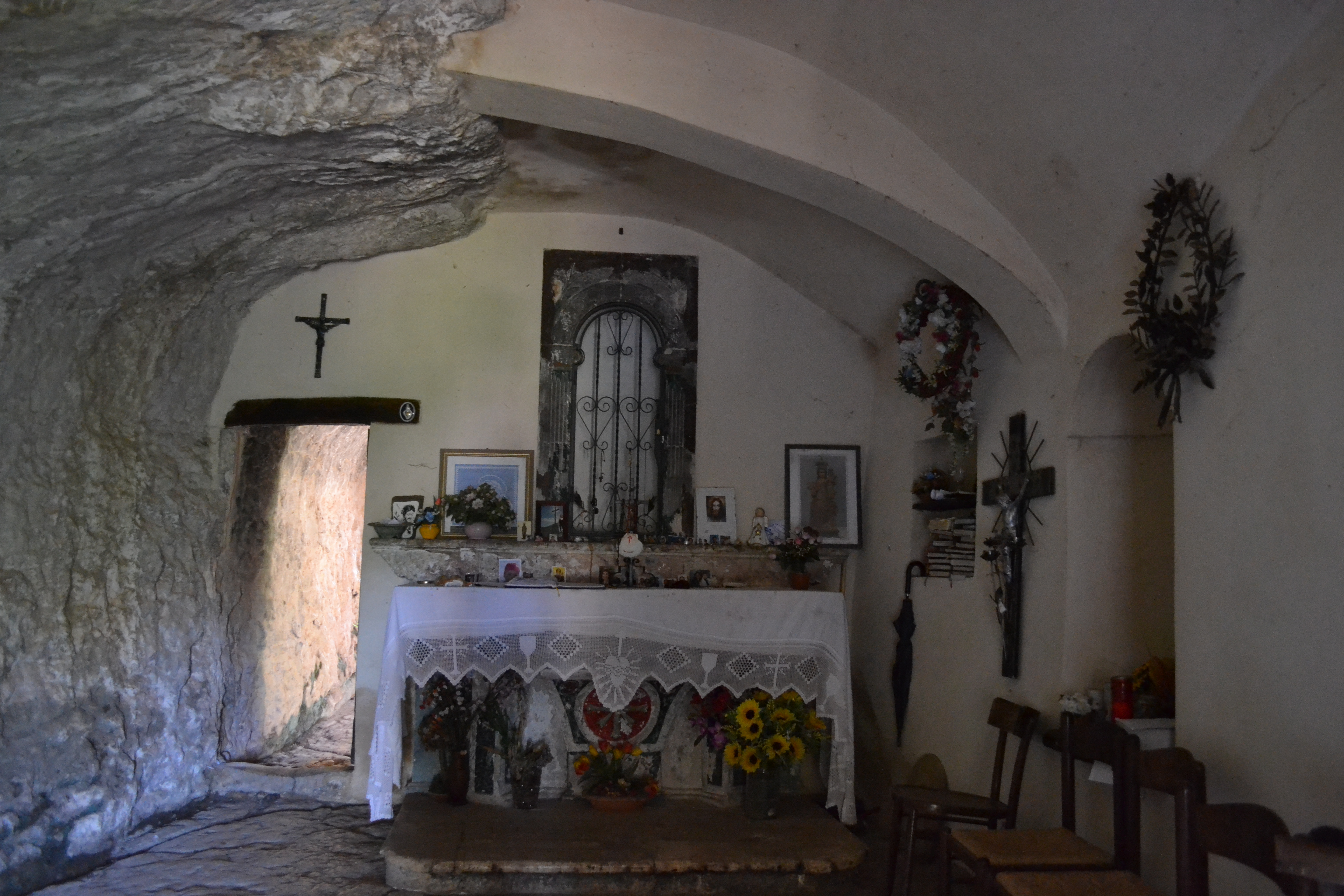
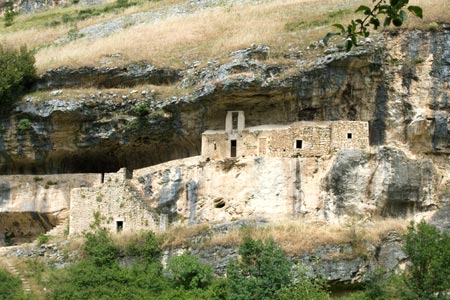
The hermitage consists of a chapel and two rock-cut rooms intended for hermits. Access can be via four different staircases, also carved into the rock. The one to the north has 30 steps, while the one to the south is longer and more irregular. There are then two staircases in the center of the balcony, one of which is called the Holy Staircase. Along the balcony is a basin for collecting rainwater. robably the hermitage has very ancient origins, predating the year 1000. Around 1250 Pietro da Morrone, future Pope Celestine V, rebuilt it, using it often. The frescoes above the entrance portal would date from this period. The façade of the church has traces of frescoes that have been severely damaged by the weather and inscriptions that have scratched the surface. The portal of the church consists of a simple stone lintel. The interior of the church is rectangular, with a length of 7.70 m and a minimum width of 3 m and a maximum width of 4 m. Lighting is provided by a French door, while a second window has been converted into a semicircular niche. The altar niche houses a wooden statue of St. Bartholomew depicted with a knife, since he suffered the martyrdom of flaying. The statue is carried in procession by the faithful on August 25 after going down to the Capo la Vena stream to bathe according to a very ancient ritual, and then carrying the effigy of the saint to the village church, where it remains until September 9.
Hermitage of St. Bartholomew in Legio - Roccamorice | Secret World Trip Planner
🗺 L'app des trésors cachés

Plan your visit to Roccamorice

Suggested itinerary near Hermitage of St. Bartholomew in Legio

MAJ+
500.000+ travelers worldwide
  1. 🌅
    Morning
    Hermitage of St. Bartholomew in Legio
    📍 Roccamorice
  2. ☀️
    Afternoon
    Hermitage of San Bartolomeo in Legio da Roccamorice
    📍 2.8 km · Roccamorice
  3. 🌆
    Evening
    Abruzzo: Lavino Park and the turquoise water
    📍 3.4 km · Roccamorice

Buy Unique Travel Experiences

Powered by Viator

See more on Viator.com

Explore nearby · Roccamorice

Frequently Asked Questions

The hermitage can be reached via four different rock-cut staircases, with the northern staircase featuring 30 steps and the southern one being longer and more irregular. Two additional staircases are located in the center of the balcony, including one known as the Holy Staircase, offering visitors multiple routes to explore this ancient site.
The hermitage likely dates back before the year 1000, but was significantly rebuilt around 1250 by Pietro da Morrone, who would later become Pope Celestine V and used it frequently. The frescoes above the entrance portal are believed to originate from this 13th-century period of reconstruction.
The rectangular interior (7.70 m long and 3-4 m wide) houses a wooden statue of St. Bartholomew holding a knife, commemorating his martyrdom by flaying. The chapel features a simple stone lintel portal and is lit by a French door, with a second window converted into a semicircular niche.
August 25th is the key date when the faithful carry the wooden statue of St. Bartholomew down to the Capo la Vena stream for a ritual bathing before processing it to the village church. The statue remains in the village church until September 9th, making this the most significant time to experience the hermitage's living traditions.
The entire hermitage is carved into rock and consists of a chapel plus two rooms designed for hermits, demonstrating remarkable engineering craftsmanship. Additionally, a basin for collecting rainwater has been carved along the balcony, highlighting how the site was ingeniously designed to sustain its inhabitants in this remote location.