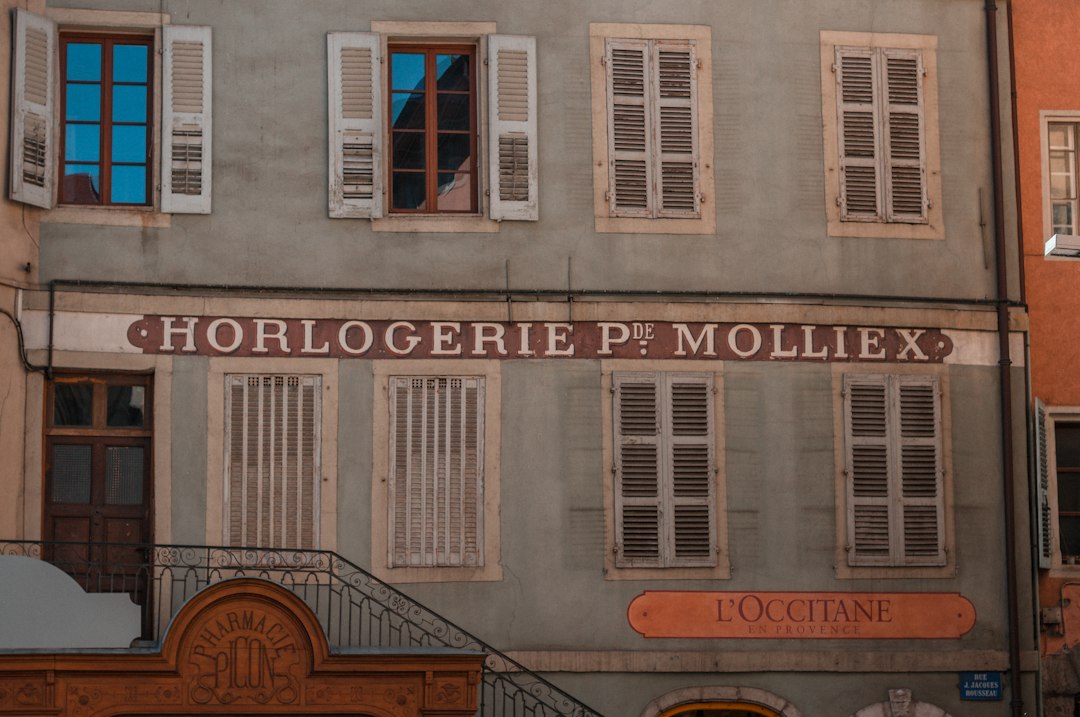

In the heart of the medieval district of Lille, at number 32 Rue de la Monnaie, there is a building that few tourists notice but that houses one of the most intact decorative cycles in northern France. The Musée de l'Hospice Comtesse occupies the premises of an ancient hospital founded in 1237 by Countess Jeanne de Constantinople, daughter of the Count of Flanders. That medieval foundation, created to host the poor and sick of the city, has transformed over the centuries into an extraordinary container of Flemish art and craftsmanship.
The building has undergone fires, reconstructions, and expansions between the 15th and 18th centuries, but still retains its Gothic soul today in the proportions of the patients' room, in the gray stone of the facades, and in the painted wooden ceilings that represent one of the most surprising details of the entire visit. The museum has remained on the fringes of the major tourist circuits of Lille, which means that even during high season weekends, it is possible to stroll through the rooms almost in solitude, a privilege that is becoming increasingly rare in Europe.
The Sick Room and the Painted Ceiling
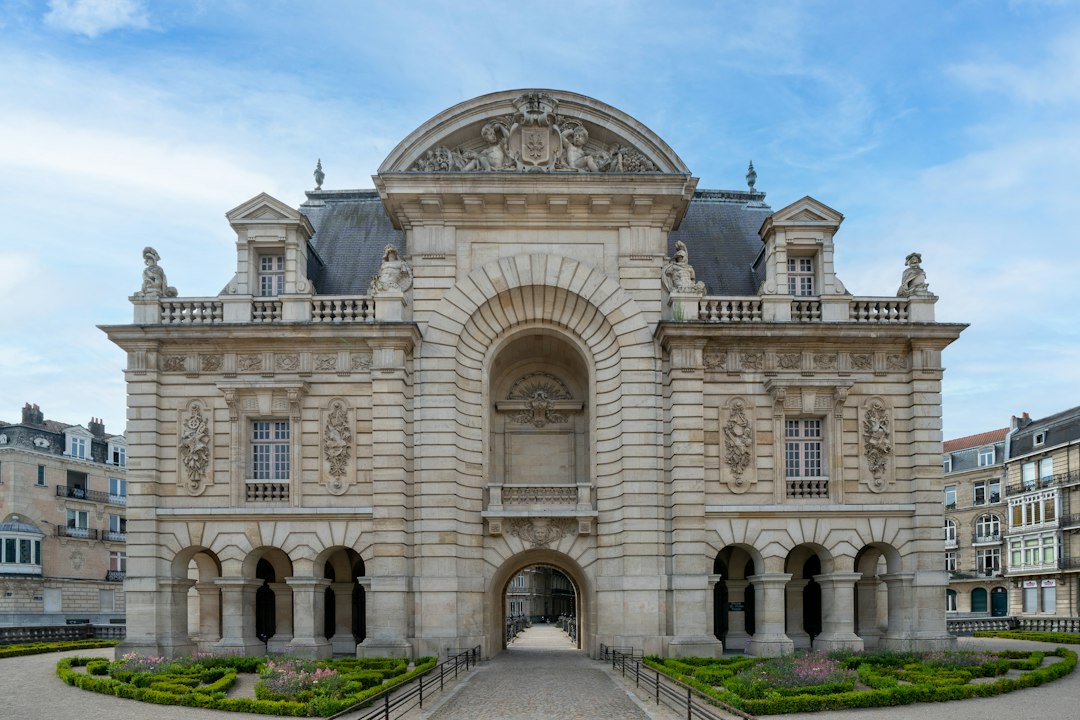
The most impressive architectural piece of the museum is the salle des malades, the large Gothic hall built in the 15th century after a fire that destroyed part of the original building. The proportions are those of an ecclesiastical nave: high ceiling, narrow windows, a light that enters obliquely and illuminates the wooden beams above. These beams constitute one of the rarest elements to observe physically: the ship's hull ceiling, entirely painted with geometric and floral motifs, is one of the few preserved examples in this region and dates back to the period of the great late medieval reconstructions.
Walking slowly along the hall and looking up, the original colors are still distinguishable — ochre, brick red, blue — applied to each individual beam. This is not a unitary and monumental decoration, but a repeated and patient work that reveals how the Flemish aesthetics of the time favored ornamental continuity even in spaces intended for the care of bodies.

The collections of ceramics and decorative arts
The rooms around the inner courtyard house the permanent collection of medieval and Renaissance ceramics, with pieces from the Flemish territory and local production from Lille. Among the displayed objects are pharmaceutical items in majolica, tableware, and spice containers that document the daily life of the hospital between the sixteenth and eighteenth centuries. These objects do not have the spectacularity of a Renaissance painting, but their reading is precise: they show how a pre-modern healthcare structure functioned concretely, from herbal remedies to food distribution practices.
In the same rooms, Flemish furniture, liturgical fabrics, and paintings from the Northern school are displayed, completing the picture of a wealthy religious and charitable institution. Some painted panels depict scenes from the lives of the hospital's patron saints, with that characteristic attention to material detail — fabrics, jewelry, architectures in the background — typical of Flemish painting between the fifteenth and sixteenth centuries.
The chapel and the cloister
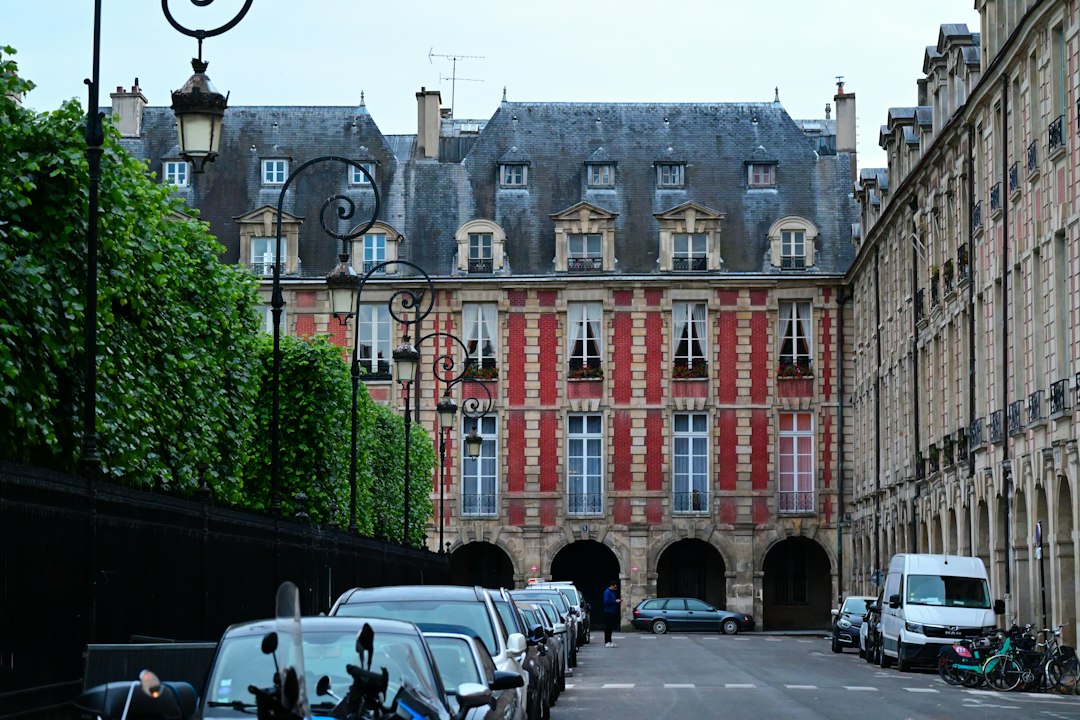
Adjacent to the patients' room is the Saint-Julien chapel, a small space with stone vaults where religious rites for the patients were officiated. The chapel preserves original sculptural elements and a series of tombstones that document the benefactors of the institution over the centuries. The internal cloister, of modest size, allows one to appreciate the architectural coherence of the whole: the various construction interventions overlap without clashing, creating a sequence of spaces where Flemish Gothic and sober Northern Baroque coexist.
The courtyard is particularly quiet even in the height of summer, when the city outside is crowded with visitors heading towards the Grand-Place or the Palais des Beaux-Arts. Sitting on one of the benches in the cloister for a few minutes, without haste, allows one to grasp the acoustic quality of the building: the sounds of the city almost completely disappear, replaced by the noise of one's own footsteps on the stone.
Practical tips for the visit
The museum is located just a few minutes' walk from the Lille-Flandres station, heading northeast through the historic district. The entrance ticket is reasonably priced — generally under 4 euros for adults, with discounts for students and free entry for minors — making it one of the most accessible cultural options in the city. A complete visit takes between 60 and 90 minutes, which is enough time to explore all the rooms without rushing.
The best time to visit is on weekday mornings, when natural light enters the patients' room at the best angle and the rooms are practically deserted. It is advisable to check the opening hours before setting off, as the museum has periodic closures for maintenance and may have reduced hours at certain times of the year. Those arriving in Lille by train from Italy via Paris or from Belgium will find the museum easily reachable on foot from the station, without the need for additional public transport.