
← Back

Larino and the Roman excavations

86035 Larino CB, Italia ★★★★☆ 165 views
Jessie Obama
Larino
🏆 AI Trip Planner 2026

Get the free app

Discover the best of Larino with Secret World — the AI trip planner with 1M+ destinations. Get personalized itineraries, hidden gems and local tips. Free on iOS & Android.

🧠 AI Itineraries 🎒 Trip Toolkit 🎮 KnowWhere Game 🎧 Audio Guides 📹 Videos
Scan to download iOS / Android
Scan for AppGallery Huawei users

About Larino and the Roman excavations

Larino and the Roman excavations - Larino | Secret World Trip Planner

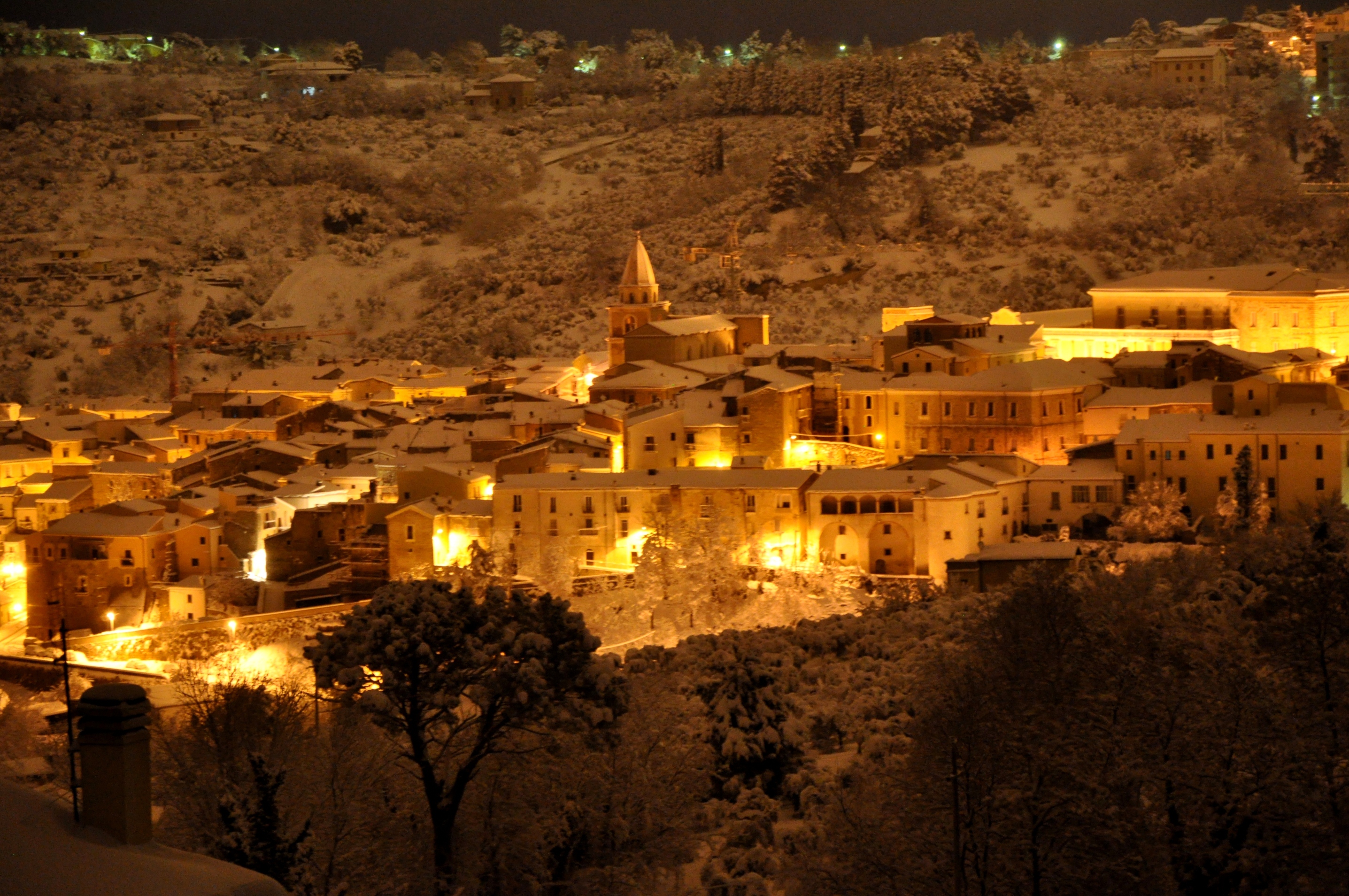
It was first a very important Samnite garrison and then a Roman municipality; clear evidence of this past can be found in the territory. In the Lombard period it was chief town of one of the counties, part of the Duchy of Benevento; later it was part of the county of Loritello.
Larino and the Roman excavations - Larino | Secret World Trip Planner

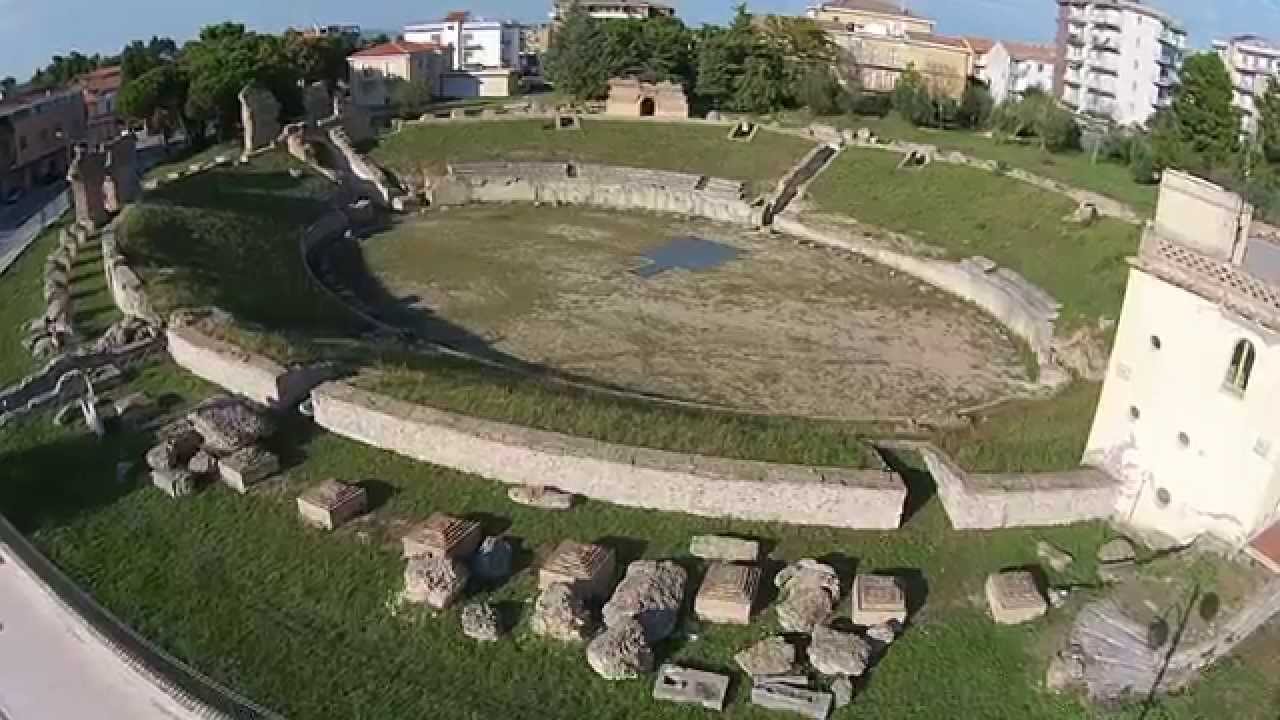
The ancient settlement, as evidenced by archaeological remains, was located in the upper part of the territory, right there where the new town is expanding. With the advent of the Saracens and their destruction and seismic events, the population was induced to gradually abandon the old site and move further downstream, where they felt they had greater guarantee for defense. Of the ancient remains there is the amphitheater, medium in size, elliptical in shape, with four entrances that allowed the different tiers of tiers to be reached.

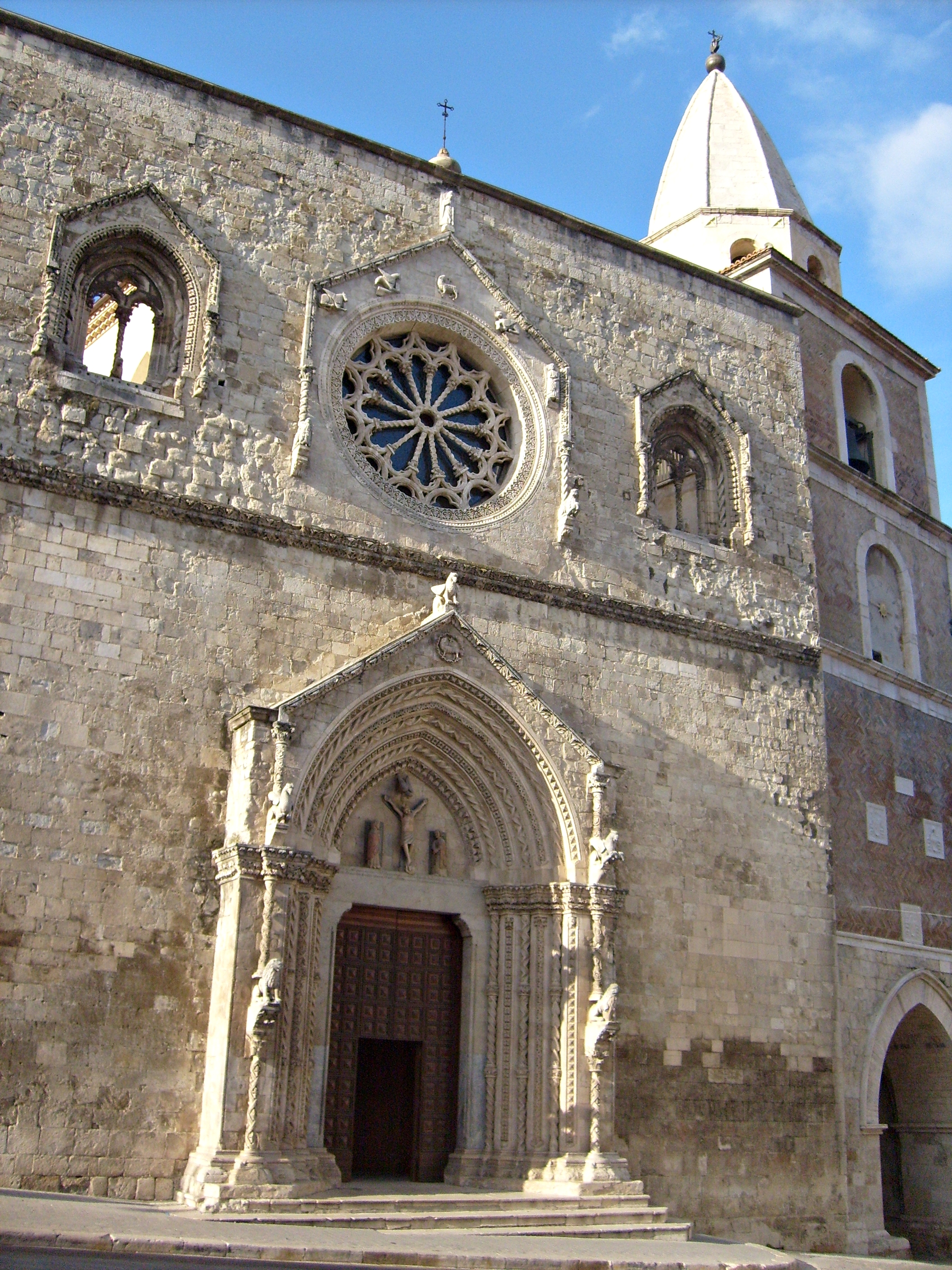
Among the most important buildings in the old town is the Cathedral, built in the 12th century, which shows, on a typically Romanesque layout, the signs of the Gothic style, found especially in the use of the ogival arch.
Larino and the Roman excavations - Larino | Secret World Trip Planner

Definitely from the Renaissance period is the Chapel of the Annunciation with the archway defined by two pilasters adorned with bas-reliefs inside which the altar was once inserted. The adjoining bell tower, built in 1451 by master Giovanni di Casalbore, stands mightily on a pointed arch. Near the cathedral is the Church of St. Francis, built in the early 14th century after Pope Clement V allowed the Franciscans to build a monastery in Larino. The church was transformed in the 18th century in Baroque style on the original layout.

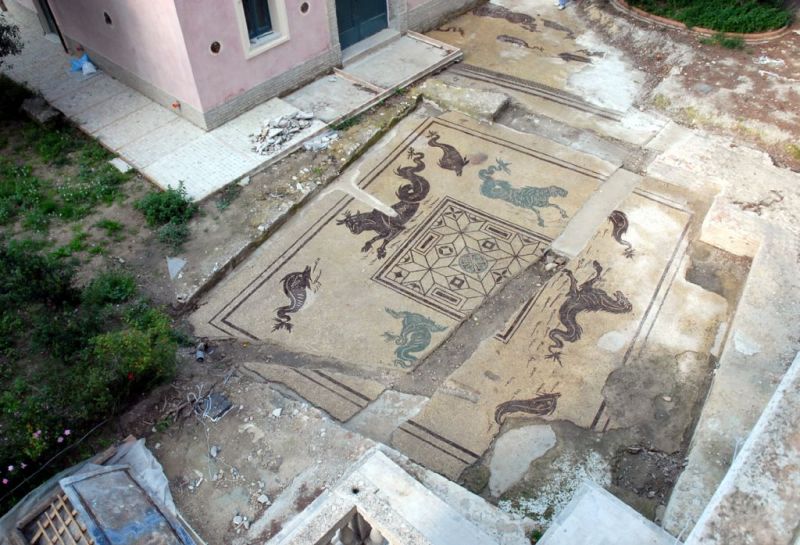
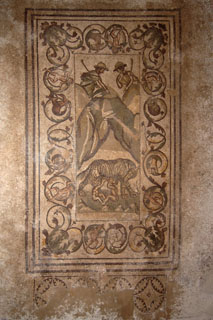
The Renaissance-style Ducal Palace was built on a medieval layout. Inside the ducal palace has taken its place the civic museum, which houses all the most interesting artifacts found in the area, such as precious polychrome mosaics and a small collection of epigraphs.
Larino and the Roman excavations - Larino | Secret World Trip Planner
🗺 L'app des trésors cachés

Plan your visit to Larino

Suggested itinerary near Larino and the Roman excavations

MAJ+
500.000+ travelers worldwide
  1. 🌅
    Morning
    Larino and the Roman excavations
    📍 Larino
  2. ☀️
    Afternoon
    Larino Civic Museum
    📍 0.9 km · Larino
  3. 🌆
    Evening
    Limosano: A jewel in the footsteps of Checco Zalone
    📍 9.2 km · Larino

Buy Unique Travel Experiences

Powered by Viator

See more on Viator.com

Explore nearby · Larino

Frequently Asked Questions

The most significant Roman archaeological remains in Larino is a medium-sized elliptical amphitheater with four entrances that allowed access to different tier levels. These ancient structures are located in the upper part of the territory where the new town is expanding, preserving evidence of Larino's important past as a Roman municipality.
The original ancient settlement in the upper territory was gradually abandoned due to Saracen invasions and destructive raids, combined with seismic events that made the area unsafe. The population relocated further downstream where they believed they would have better defensive guarantees against future attacks.
Key churches include the 12th-century Cathedral featuring Romanesque architecture with Gothic ogival arches, the Church of St. Francis built in the early 14th century after Pope Clement V granted permission to the Franciscans, and the Renaissance Chapel of the Annunciation with its distinctive bell tower built in 1451 by master Giovanni di Casalbore.
The civic museum, housed within the Renaissance-style Ducal Palace built on medieval foundations, contains the most interesting archaeological findings from the area. The museum's collection includes precious polychrome mosaics and epigraphs that showcase Larino's rich Roman and Samnite heritage.
Larino's architecture reflects multiple historical periods: Samnite and Roman foundations, Lombard governance during the Duchy of Benevento, Medieval cathedral construction, Renaissance palace and chapel design, and 18th-century Baroque transformations. This layered history makes the town a fascinating example of Southern Italian architectural evolution spanning over two millennia.