
← Back

Limatola's Castle

82030 Limatola BN, Italia ★★★★☆ 311 views
Katia Rosemberg
Limatola
🏆 AI Trip Planner 2026

Get the free app

Discover the best of Limatola with Secret World — the AI trip planner with 1M+ destinations. Get personalized itineraries, hidden gems and local tips. Free on iOS & Android.

🧠 AI Itineraries 🎒 Trip Toolkit 🎮 KnowWhere Game 🎧 Audio Guides 📹 Videos
Scan to download iOS / Android
Scan for AppGallery Huawei users

About Limatola's Castle

Limatola's Castle - Limatola | Secret World Trip Planner

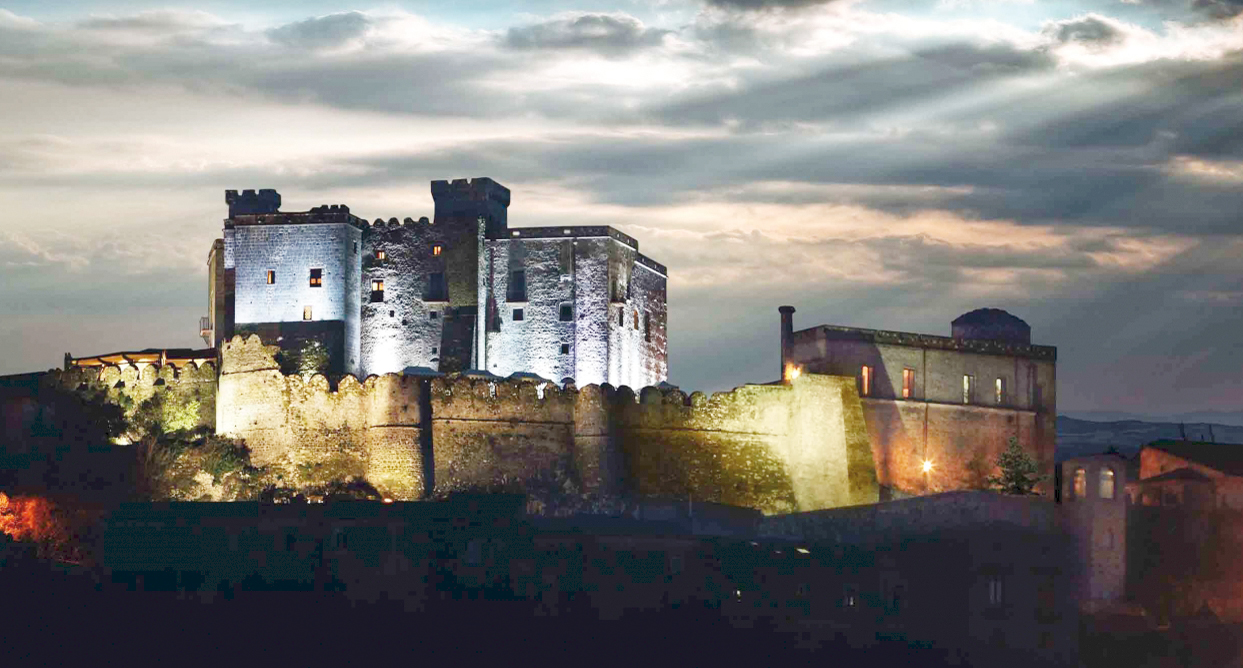
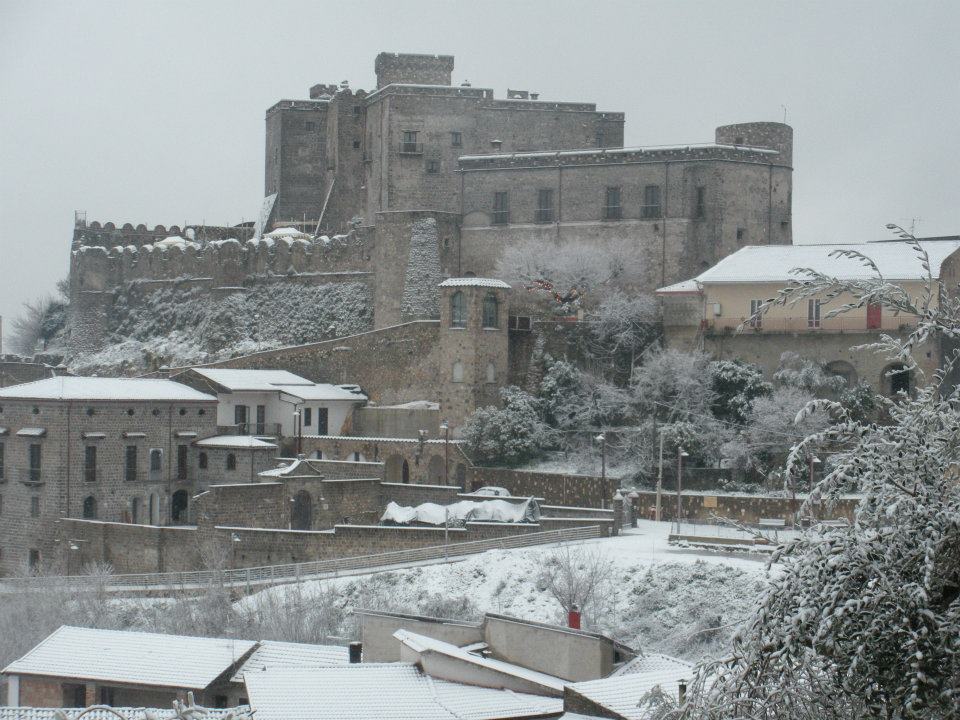
Limatola Castle, which towers above the ancient medieval village, stands guard over the valley furrowed by the Volturno River, between the Taburno massif, Mount Maggiore and the Tifatini mountains. Possibly built on pre-existing defensive structures, Samnite first and Lombard later, but documented from the 12th century, it is characterized by a mighty polygonal wall plan. Designed as a defensive structure, it performed essentially residential functions, however.
Limatola's Castle - Limatola | Secret World Trip Planner

The interventions promoted by Charles I of Anjou date back to 1277, to be recognized in the ogival vaulted rooms adjoining the oldest part of the structure corresponding to the rectangular-shaped keep. To the Counts Della Ratta, feudal lords of Limatola from 1420, are ascribable the interventions on the outermost walls and renovations and extensions implemented in some rooms on the stairs and loggias, of declaredly Renaissance taste. Also Francesco Gambacorta and Caterina Della Ratta, in the second decade of the 16th century carried out interventions on the defensive structures and on the Palatine Church of St. Nicholas, which, however, preserves the original Romanesque portal.

Significant seventeenth- and eighteenth-century interventions were due to the Gambacorta, Mastelloni and Lottieri d'Aquino families, who succeeded each other as feudal lords in Limatola: the decorations of the Chapel, the seventeenth-century frescoes in the guest quarters with scenes from Gerusalemme Liberata and the eighteenth-century ones on the main floor with illusionistic architecture, landscapes, girals and grotesques. In 1806 the castle was bought by the Canelli family, gradually falling into a state of total decay.

It is currently owned by the Sgueglia Family, which has restored it and made it functional for receptive and cultural activities.


🗺 L'app des trésors cachés

Plan your visit to Limatola

Suggested itinerary near Limatola's Castle

MAJ+
500.000+ travelers worldwide
  1. 🌅
    Morning
    Limatola's Castle
    📍 Limatola
  2. ☀️
    Afternoon
    Kere Museum of Caiazzo
    📍 4.4 km · Limatola
  3. 🌆
    Evening
    Casertavecchia: Monumental complex of San Vitaliano
    📍 5.2 km · Limatola

Buy Unique Travel Experiences

Powered by Viator

See more on Viator.com

Explore nearby · Limatola

Frequently Asked Questions

Limatola Castle is documented from the 12th century, though it may have been built on earlier Samnite and Lombard defensive structures. The castle is characterized by a mighty polygonal wall plan and has been modified by numerous ruling families, including Charles I of Anjou in 1277, the Counts Della Ratta from 1420, and later the Gambacorta, Mastelloni, and Lottieri d'Aquino families through the 18th century.
Visitors can explore ogival vaulted rooms from the 13th century, a rectangular-shaped keep, the Palatine Church of St. Nicholas with its original Romanesque portal, and decorated chapels. The castle also features 17th-century frescoes depicting scenes from Gerusalemme Liberata in the guest quarters and 18th-century illusionistic architectural paintings, landscapes, and grotesques on the main floor.
Limatola Castle towers above an ancient medieval village in the Campania region, standing guard over the valley of the Volturno River, positioned between the Taburno massif, Mount Maggiore, and the Tifatini mountains. This strategic location made it an ideal defensive structure overlooking the surrounding landscape.
Yes, Limatola Castle is currently owned by the Sgueglia Family, which has restored it and made it functional for receptive and cultural activities. The castle welcomes visitors interested in exploring its medieval architecture, Renaissance renovations, and baroque decorations while experiencing its rich historical heritage.

The castle showcases multiple architectural periods, including Romanesque elements in the Church of St. Nicholas, 13th-century Gothic ogival vaults introduced by Charles I of Anjou, Renaissance features added by the Della Ratta family such as loggias and stairs, and baroque decorations with frescoes added by later feudal families. This layering of styles reflects the castle's continuous modifications across eight centuries.