
← Back

Majolica Cloister of Santa Chiara

Via Benedetto Croce, 80134 Napoli, Italia ★★★★☆ 212 views
Mia Sharif
Napoli
🏆 AI Trip Planner 2026

Get the free app

Discover the best of Napoli with Secret World — the AI trip planner with 1M+ destinations. Get personalized itineraries, hidden gems and local tips. Free on iOS & Android.

🧠 AI Itineraries 🎒 Trip Toolkit 🎮 KnowWhere Game 🎧 Audio Guides 📹 Videos
Scan to download iOS / Android
Scan for AppGallery Huawei users

About Majolica Cloister of Santa Chiara

Majolica Cloister of Santa Chiara - Napoli | Secret World Trip Planner

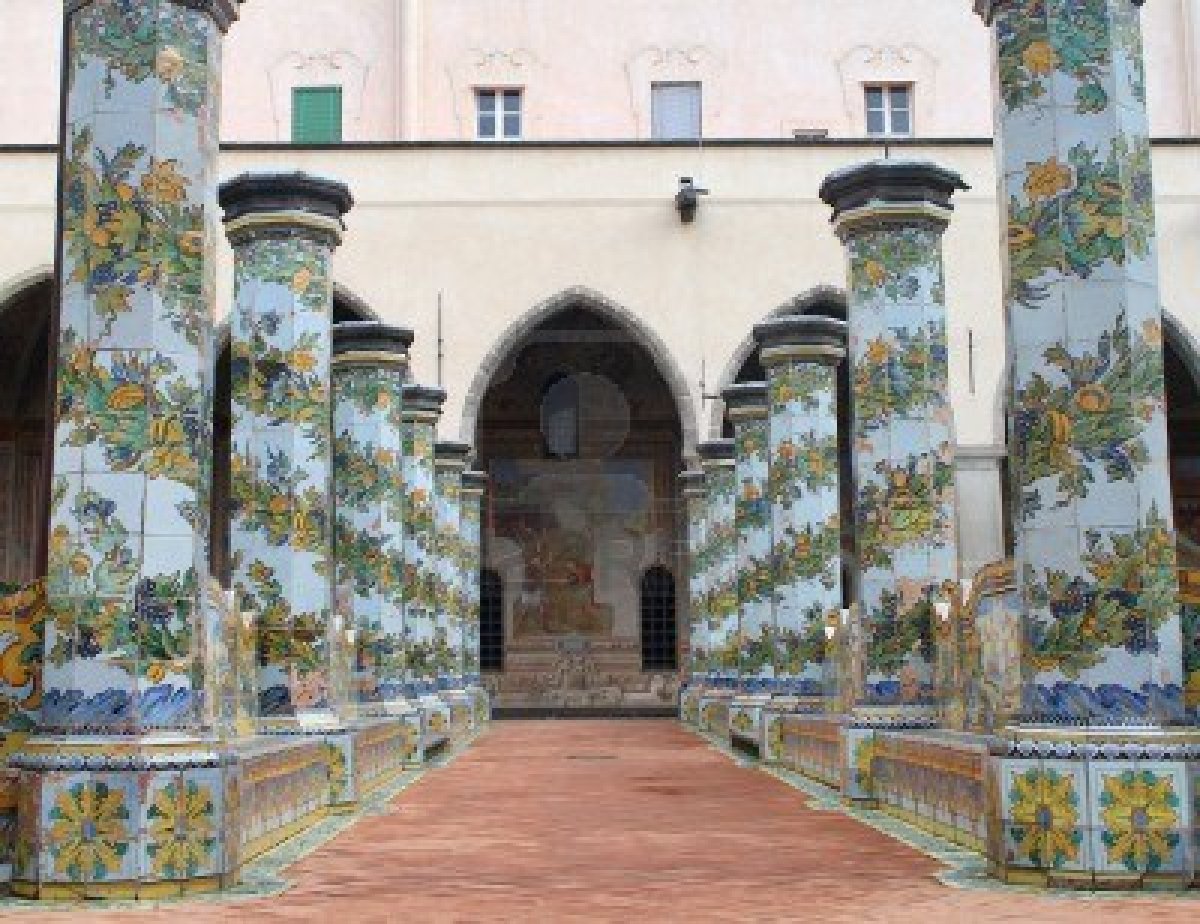
The monastery's Majolica Cloister has undergone several transformations over the centuries. The most important was carried out by D. A. Vaccaro, between 1742 and 1769, during the abbessorship of Sister Ippolita Carmignano. The 14th-century structure, consisting of 66 pointed arches resting on 66 piperno pillars, remained unchanged, while the garden was completely modified. Vaccaro created two avenues that, intersecting, divided the garden into four sectors. Flanking the avenues were 64 octagonal pillars covered with majolica tiles with plant scenes. The majolica decorations are due to artisans Donato and Giuseppe Massa, who harmonized the cloister's polychromy with all the surrounding architectural and natural elements. The majolica pillars are connected by seats on which, using the same technique, scenes from daily life of the time are depicted. The walls of the four sides of the cloister are entirely covered with 17th-century frescoes depicting saints, allegories and scenes from the Old Testament.

Majolica Cloister of Santa Chiara - Napoli | Secret World Trip Planner
🗺 L'app des trésors cachés

Plan your visit to Napoli

Suggested itinerary near Majolica Cloister of Santa Chiara

MAJ+
500.000+ travelers worldwide
  1. 🌅
    Morning
    Majolica Cloister of Santa Chiara
    📍 Napoli
  2. ☀️
    Afternoon
    Neapolitan shortbread pastry
    📍 0.1 km · Napoli
  3. 🌆
    Evening
    San Domenico Maggiore and the Aragonese Arches
    📍 0.1 km · Napoli

Buy Unique Travel Experiences

Powered by Viator

See more on Viator.com

Explore nearby · Napoli

Frequently Asked Questions

The Majolica Cloister is a stunning monastery garden featuring intricate majolica tile decorations, originally built in the 14th century but completely redesigned between 1742 and 1769 by architect D. A. Vaccaro during Sister Ippolita Carmignano's abbessorship. The transformation maintained the original 66 pointed arches and piperno pillars while creating an entirely new garden layout and decorative scheme.
The cloister features 64 octagonal pillars covered with stunning majolica tiles depicting plant scenes, created by artisans Donato and Giuseppe Massa who carefully harmonized the polychromy with the architectural and natural elements. The connected seats between pillars are also decorated with majolica tiles showing detailed scenes from daily life during the 18th century.
Vaccaro designed two intersecting avenues that divide the garden into four distinct sectors, creating a symmetrical layout flanked by the decorative majolica pillars and seats. The four surrounding walls display beautiful 17th-century frescoes depicting saints, allegories, and scenes from the Old Testament, offering visitors a complete visual experience of religious and secular art.
The renowned architect D. A. Vaccaro redesigned the Majolica Cloister between 1742 and 1769, working under the patronage of Sister Ippolita Carmignano, the abbess at that time. His innovative design preserved the medieval architectural framework while introducing a dramatic Baroque transformation that included the new garden layout and the introduction of the famous majolica decorations.
Despite the extensive garden transformation, the 14th-century structural elements were carefully preserved, including the 66 distinctive pointed arches and the 66 piperno pillars that form the cloister's framework. This respect for the original medieval architecture created a harmonious blend of Gothic and Baroque styles that visitors can still admire today.