
← Back

Medieval Loggia

Piazza del Popolo, 11, 19015 Levanto SP, Italia ★★★★☆ 167 views
Carla Morelli
Levanto
🏆 AI Trip Planner 2026

Get the free app

Discover the best of Levanto with Secret World — the AI trip planner with 1M+ destinations. Get personalized itineraries, hidden gems and local tips. Free on iOS & Android.

🧠 AI Itineraries 🎒 Trip Toolkit 🎮 KnowWhere Game 🎧 Audio Guides 📹 Videos
Scan to download iOS / Android
Scan for AppGallery Huawei users

About Medieval Loggia

Medieval Loggia - Levanto | Secret World Trip Planner

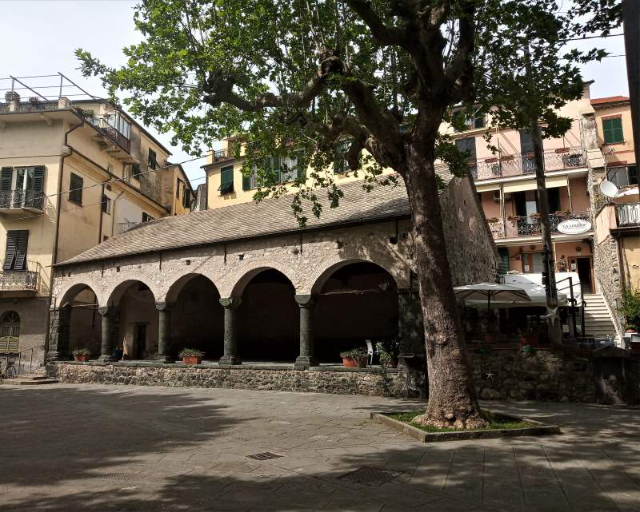
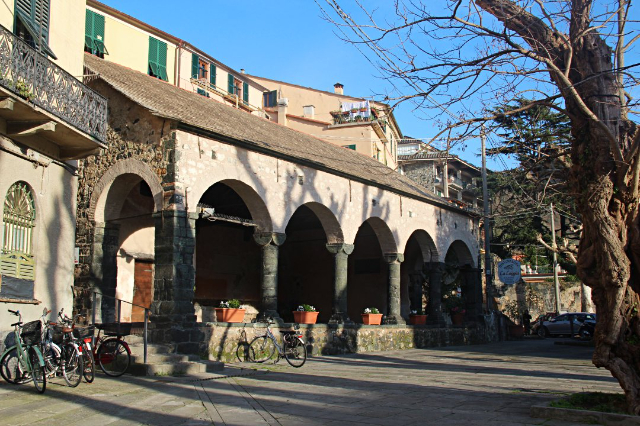
The Medieval Loggia is one of Levanto's architectural treasures. Mentioned as early as the 13th century, the site was rebuilt during the 16th century. Since July 20, 2007, the loggia has been awarded the title of "monument witness to culture and peace" by UNESCO. Originally the loggia had a commercial function, related to the nearby medieval port-canal, and then used as a municipal archive until the late 18th century. Overlooking a small square of the same name and raised about a meter above the street, the Loggia represents one of the few late medieval buildings of this kind preserved to date in Liguria and features elegant arches with Romanesque-style capitals. On the main façade, the one facing the square, the five low arched arcades of the structure, 17.5 meters long and ten meters wide, rest on four columns and two end pillars having Romanesque-style capitals and serpentine. In contrast, the two side walls, those facing Paraxo Street and salita San Giacomo, have a round-arched brick opening; the first wall still has three small windows, the second the painting of an orange rosette on a yellow background.
Medieval Loggia - Levanto | Secret World Trip Planner

In addition to the preservation of a fresco depicting the Annunciation of Mary, dated to the 15th century and the work of an unknown Ligurian-Lombard painter, there are also four white marble and slate plaques and as many ancient coats of arms of Levanto and the Republic of Genoa.


🗺 L'app des trésors cachés

Plan your visit to Levanto

Suggested itinerary near Medieval Loggia

MAJ+
500.000+ travelers worldwide
  1. 🌅
    Morning
    Medieval Loggia
    📍 Levanto
  2. ☀️
    Afternoon
    The Cinque Terre a natural and wonderful world
    📍 3.5 km · Levanto
  3. 🌆
    Evening
    Monterosso al mare
    📍 3.9 km · Levanto

Buy Unique Travel Experiences

Powered by Viator

See more on Viator.com

Explore nearby · Levanto

Frequently Asked Questions

The Medieval Loggia is one of Levanto's most significant architectural treasures, dating back to the 13th century and rebuilt in the 16th century. It has been recognized by UNESCO since 2007 as a 'monument witness to culture and peace' and is one of the few well-preserved late medieval buildings of its kind in Liguria.
The structure features five elegant low arched arcades on its main façade facing the square, measuring 17.5 meters long and 10 meters wide, supported by four columns and two end pillars with Romanesque-style capitals and serpentine details. The side walls include round-arched brick openings, with one displaying three small windows and the other featuring a distinctive painting of an orange rosette on a yellow background.
The loggia houses a 15th-century fresco depicting the Annunciation of Mary, created by an unknown Ligurian-Lombard painter, as well as four white marble and slate plaques displaying ancient coats of arms of Levanto and the Republic of Genoa. These pieces provide valuable insights into the region's medieval artistic and political heritage.

Originally built as a commercial structure connected to the nearby medieval port-canal, the loggia later served as a municipal archive until the late 18th century. This functional transformation reflects the building's importance to Levanto's economic and administrative development over centuries.
The Medieval Loggia overlooks a small square of the same name in Levanto and is raised approximately one meter above street level, making it a prominent landmark. The structure is positioned between Paraxo Street and salita San Giacomo, making it easily accessible to visitors exploring the town's medieval center.