
← Back

Roman villa of San Giovanni in Palco

Via S. Giovanni del Palco, Taurano AV, Italia ★★★★☆ 215 views
Klaira Tanya
Taurano
🏆 AI Trip Planner 2026

Get the free app

Discover the best of Taurano with Secret World — the AI trip planner with 1M+ destinations. Get personalized itineraries, hidden gems and local tips. Free on iOS & Android.

🧠 AI Itineraries 🎒 Trip Toolkit 🎮 KnowWhere Game 🎧 Audio Guides 📹 Videos
Scan to download iOS / Android
Scan for AppGallery Huawei users

About Roman villa of San Giovanni in Palco

Roman villa of San Giovanni in Palco - Taurano | Secret World Trip Planner

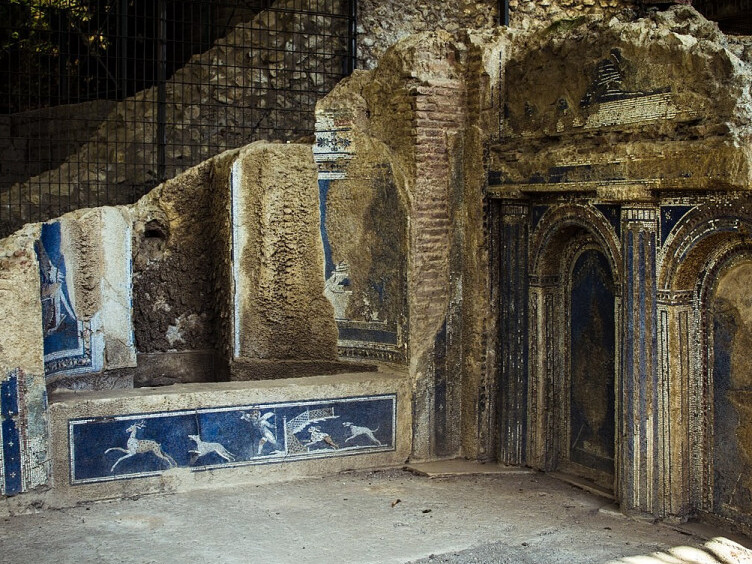
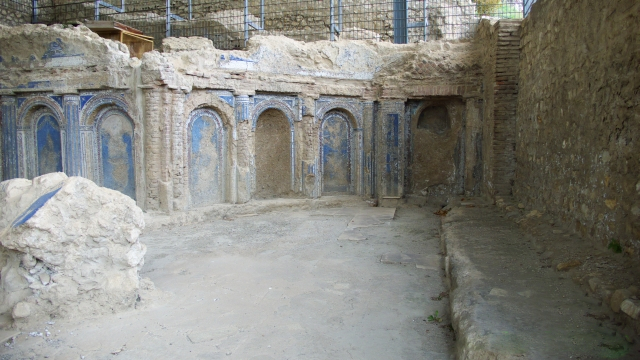
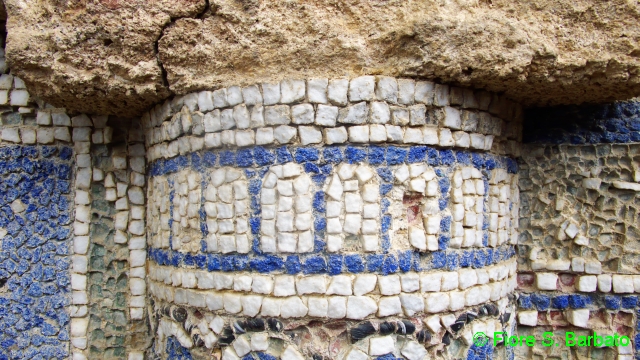
Roman villa of San Giovanni in Palco was excavated between 1981 and 1985. The part of the complex that can be visited today extends for about 1400 square meters; the villa is articulated on several levels connected by stairs and open areas. The oldest nucleus dates back to the late republican age, while in the Augustan-Tiberian age an extension led to the construction of a spa and a triclinium with an adjoining nymphaeum, beautifully decorated with glass tesserae, located on the lower terrace. In the middle of the 1st century A.D. the thermal plant was enlarged with the construction of a frigidarium, a tepidarium and two calidaria with passageways. Many of the rooms brought to light, in particular those of the median terrace, preserve wall paintings of the III and IV styles and opus signinum flooring. In late antiquity the villa was progressively stripped of its marble coverings and stone elements and part of the rooms were re-functionalized as working areas: the triclinium, for example, was transformed into an oil mill. The final destruction of the complex occurred in the V-VI century A.D. following the volcanic events that also affected the nearby settlements of Nola and Avella.
Roman villa of San Giovanni in Palco - Taurano | Secret World Trip Planner
🗺 L'app des trésors cachés

Plan your visit to Taurano

Suggested itinerary near Roman villa of San Giovanni in Palco

MAJ+
500.000+ travelers worldwide
  1. 🌅
    Morning
    Roman villa of San Giovanni in Palco
    📍 Taurano
  2. ☀️
    Afternoon
    Lancellotti feudal castle
    📍 0.5 km · Taurano
  3. 🌆
    Evening
    Sanctuary of Santa Maria a Parete (Queen of Victories)
    📍 6 km · Taurano

Buy Unique Travel Experiences

Powered by Viator

See more on Viator.com

Explore nearby · Taurano

Frequently Asked Questions

The villa's oldest nucleus dates back to the late republican age, with significant expansions during the Augustan-Tiberian period when a spa and triclinium were added. Further enlargements occurred in the middle of the 1st century A.D., making it a multi-phase Roman complex that evolved over several centuries before its final destruction in the V-VI century A.D.
Visitors can explore approximately 1400 square meters of the excavated villa, featuring a multi-level complex with stairs and open areas. Notable highlights include a beautifully decorated nymphaeum with glass tesserae, thermal facilities with frigidarium, tepidarium and calidaria, rooms with preserved wall paintings in III and IV styles, and opus signinum flooring on the median terrace.
In late antiquity, the villa was progressively stripped of its marble coverings and stone elements as its function changed. Several rooms, including the triclinium, were repurposed as working areas; the triclinium was specifically converted into an oil mill, showing how the luxurious Roman residence was adapted for industrial purposes.
The villa was excavated between 1981 and 1985, revealing the multi-level complex that visitors can explore today. The systematic excavation uncovered well-preserved features including decorated rooms, thermal facilities, and evidence of the villa's transformation and destruction over time.
The villa's final destruction occurred in the V-VI century A.D. as a result of volcanic events that affected the entire region. These same volcanic events also impacted nearby settlements of Nola and Avella, making the villa part of a broader archaeological story of how volcanic activity shaped the landscape of ancient Campania.