





← Back

San Lorenzo Maggiore

Piazza San Gaetano, 80138 Napoli, Italia ★★★★☆ 160 views
Felicia Moreno
Napoli
🏆 AI Trip Planner 2026

Get the free app

Discover the best of Napoli with Secret World — the AI trip planner with 1M+ destinations. Get personalized itineraries, hidden gems and local tips. Free on iOS & Android.

🧠 AI Itineraries 🎒 Trip Toolkit 🎮 KnowWhere Game 🎧 Audio Guides 📹 Videos
Scan to download iOS / Android
Scan for AppGallery Huawei users

About San Lorenzo Maggiore

San Lorenzo Maggiore - Napoli | Secret World Trip Planner

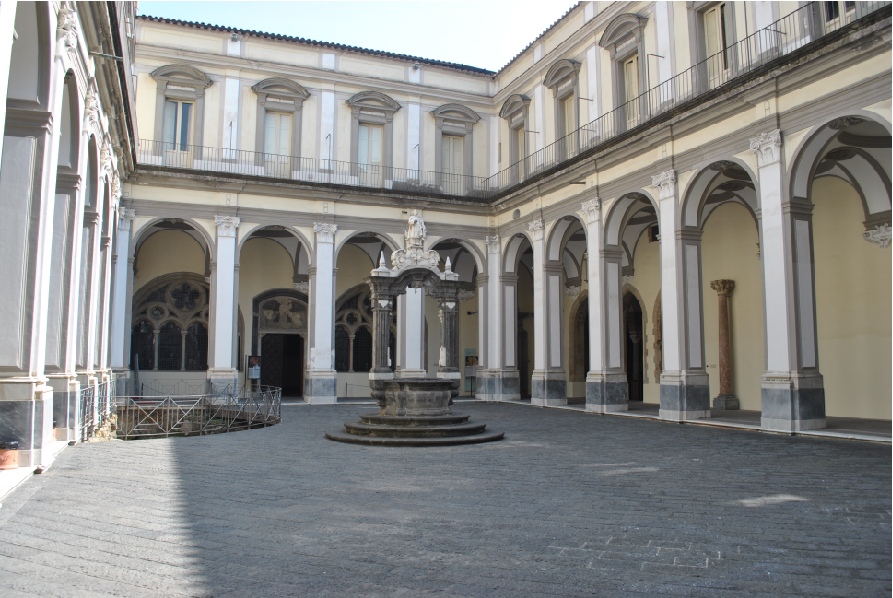
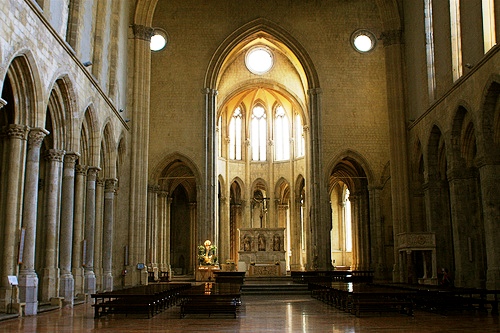
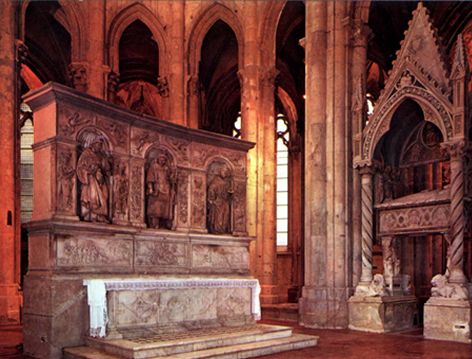
In the area of the forum, which represented the heart of the ancient Greco-Roman city, between the Decumanus Major and Decumanus Inferior, an early Christian church (6th century AD) was first built, demolished in the 12th century, and then the present basilica, built at the behest of Charles I of Anjou starting in 1270. The church, characterized by a single-nave structure and Latin cross, was erected by the Franciscans, initially with the use of French architects and craftsmen, later replaced by local workers; between the 17th and 18th centuries, it was then affected by a radical renovation in the Baroque style. Restoration carried out between the late 19th century and the first half of the 20th century erased the strong Baroque connotation, except for the 18th-century facade by Sanfelice. In the church, Boccaccio met his Fiammetta, while in the adjoining convent-which hosted meetings of the kingdom's parliament in the 1300s-Petrarch also stayed. Underneath the church, the convent and the cloister, rooms rediscovered thanks to the work of archaeologists can now be visited in the hypogeum: accessing the area, one enters a Roman hinge (i.e., a road orthogonal to the decumani), three meters wide and about sixty meters long, overlooked by numerous stores: a bakery, a laundry, taverns, stores and the Aerarium, where the city's finances from taxes were kept. At the end of the street, however, one encounters one of the four sides of a cryptoporticus, consisting of interconnecting, barrel-vaulted rooms with skylights for the entry of air and sunlight. The rooms were Roman market stores (macellum), on whose stone stalls foodstuffs and goods of various kinds were traded. At the end of the cryptoporticus, a tank from the Greek era is also preserved, evidence of the additional level of stratification present, and the incredible number of stories this place can tell. At the end of the fifth century AD, the area was invaded and covered by a mudslide of alluvial origin, so it was abandoned, and formed the basis for the construction of the early Christian basilica.
San Lorenzo Maggiore - Napoli | Secret World Trip Planner

Ascending to the upper levels, the rooms of the convent house the Museo dell'Opera di San Lorenzo Maggiore, which houses archaeological finds from the site, a collection of objects, clothing, and furnishings from the Angevin period, and a collection of 18th-century shepherds from the Neapolitan nativity tradition.

San Lorenzo Maggiore - Napoli | Secret World Trip Planner
🗺 L'app des trésors cachés

Plan your visit to Napoli

Suggested itinerary near San Lorenzo Maggiore

MAJ+
500.000+ travelers worldwide
  1. 🌅
    Morning
    San Lorenzo Maggiore
    📍 Napoli
  2. ☀️
    Afternoon
    Naples | Piazza San Gaetano
    📍 0 km · Napoli
  3. 🌆
    Evening
    Naples Underground
    📍 0.1 km · Napoli

Buy Unique Travel Experiences

Powered by Viator

See more on Viator.com

Explore nearby · Napoli

Frequently Asked Questions

The hypogeum features a remarkable Roman street (cardo) about 60 meters long lined with ancient shops including a bakery, laundry, and taverns, plus a cryptoporticus with barrel-vaulted rooms that served as a Roman market (macellum). You can also see a Greek-era tank, revealing multiple layers of the city's history from different civilizations.
The present basilica was built starting in 1270 under the orders of Charles I of Anjou, replacing an earlier 6th-century early Christian church that had been demolished in the 12th century. The Franciscans oversaw the construction, initially employing French architects before transitioning to local workers.
The renowned poet Boccaccio met his beloved Fiammetta at the church, while the celebrated poet and scholar Petrarch stayed in the adjoining convent during the medieval period. The convent itself was an important political site, hosting meetings of the kingdom's parliament during the 1300s.
The church originally featured a single-nave Latin cross structure, but underwent radical Baroque renovations between the 17th and 18th centuries, with the elegant facade designed by Sanfelice in the 1700s. Restoration work from the late 19th to mid-20th century removed most Baroque elements while preserving the Sanfelice facade.
At the end of the fifth century AD, the Roman street and market area were invaded and buried under a mudslide of alluvial origin, which preserved these structures remarkably well. This natural disaster created layers of history that archaeologists have since rediscovered and made accessible to visitors in the hypogeum today.