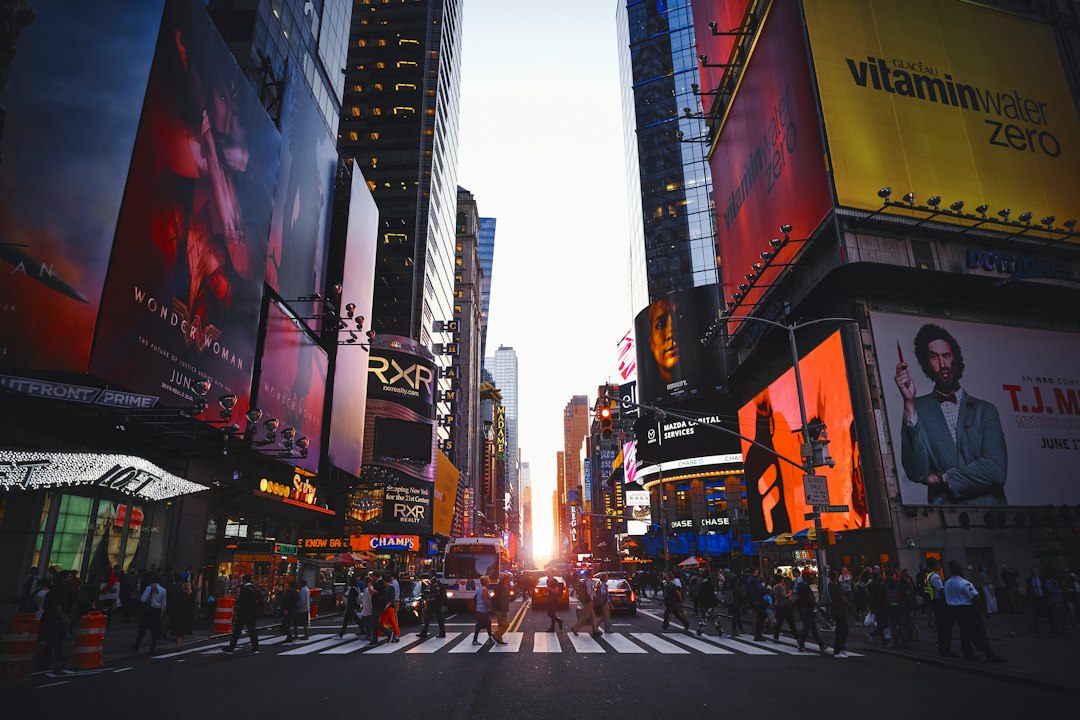

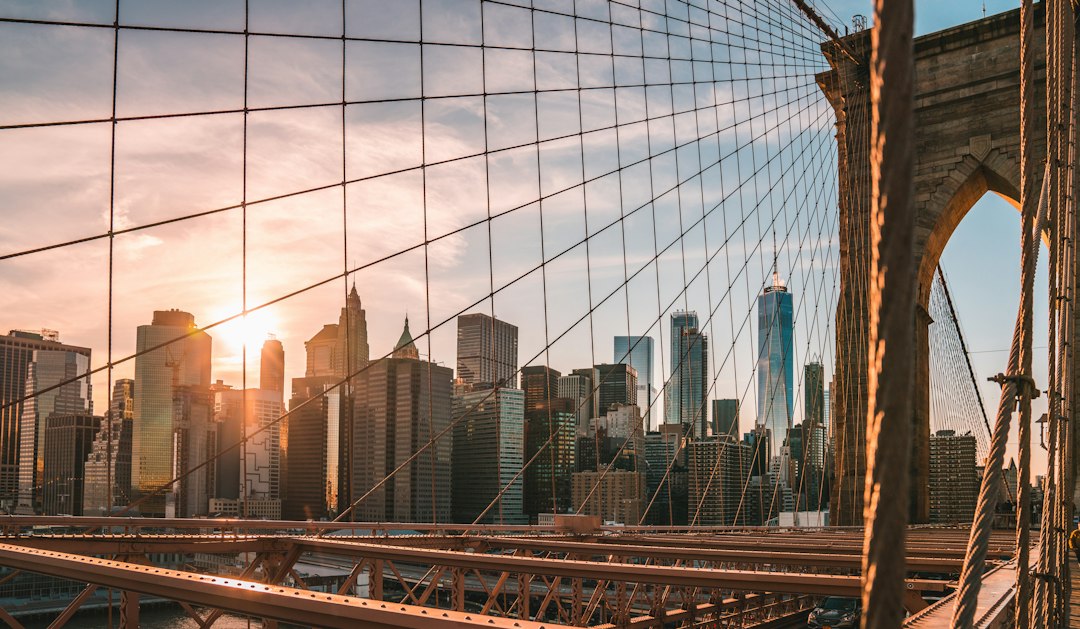
I had three days in New York and an impossible wish list: Brooklyn Bridge at dawn, the MoMA without lines, a lunch in Chinatown under twenty dollars, and still energy for the High Line at sunset. Organizing everything myself meant hours on Google Maps, TripAdvisor, and Reddit. I decided to rely on Secret World, the AI trip planner that is widely talked about in 2026, and to tell you exactly how it went.
This is an honest review, not an advertisement. I used Secret World to plan a real itinerary in New York, I followed its advice, and I checked on the ground what worked and what didn't. Spoiler: the final rating is 9/10, but there are some things you should know before using it.
How Secret World Works: My First Session with the AI
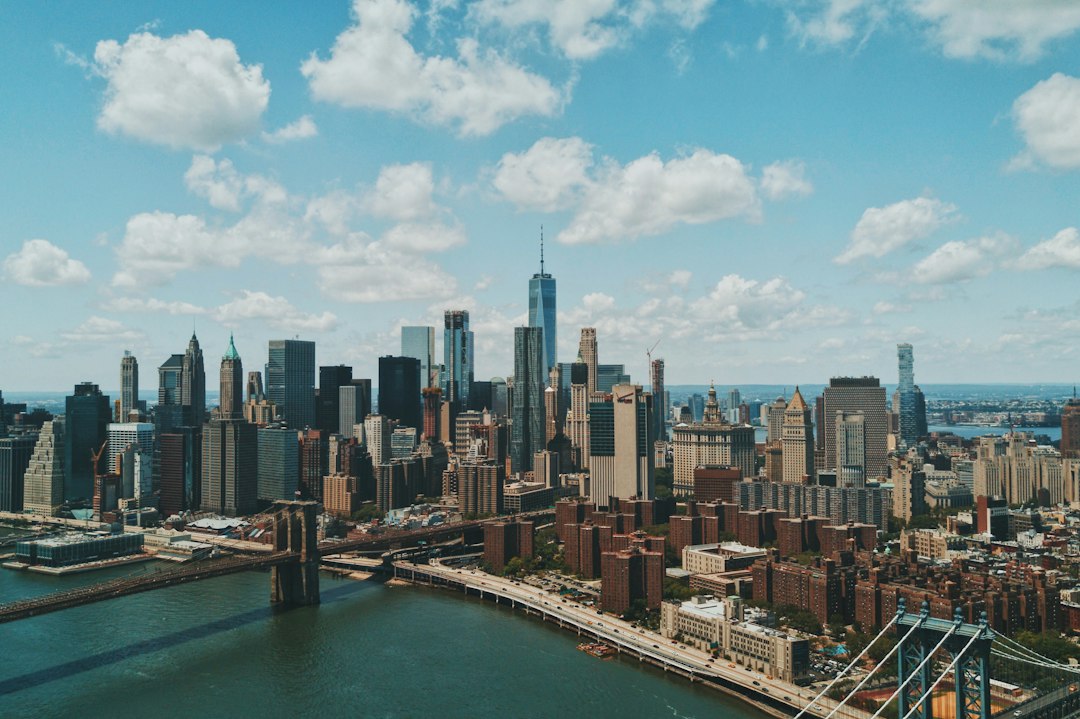
The interface is clean and straightforward. I entered the basic parameters: New York, 3 days, medium budget, interest in art and street food, no group tours. In less than forty seconds, the AI had generated a complete itinerary with schedules, distances between points, and practical notes. Not a generic list of attractions, but a plan with precise geographical logic: the first day covered Lower Manhattan and Brooklyn to minimize subway travel.
I then asked specific questions, as a local friend would. I asked: "Is there a way to visit MoMA without waiting in line?" The AI responded by suggesting entry on Friday evening from 5:30 PM, when access is free for residents but still smoother for tourists, with an estimated wait time of about fifteen minutes compared to forty-five on Saturday morning. Standard ticket price: 30 dollars. Useful detail, later verified in person.

What was really well organized: the details that make the difference
The strong point of Secret World is not the list of attractions, which anyone can find online, but the logic of movements and realistic timings. For the second day, he had built a route that started from Dumbo in Brooklyn at 8:00 AM (perfect light for photos of the bridge), crossed the bridge on foot in twenty minutes, continued towards the Financial District, and ended in Chinatown for lunch. Total walking distance: about four kilometers. Estimated time: three and a half hours. Actual: three hours and fifty minutes. Almost perfect.

For lunch in Chinatown, he had indicated three concrete options on Mott Street with average prices between twelve and eighteen dollars per person, specifying which was most suitable for those eating gluten-free. This level of personalization, in a huge city like New York, is exactly what you expect from a good human travel planner. He placed the High Line in the late afternoon of the third day, with entry from 34th Street to avoid the crowd that gathers at the south entrance. Correct advice.
The real limits: where Secret World can improve

Not everything is perfect. The first limit I noticed concerns the evening restaurants: the recommendations were good but not always updated to the latest openings or closures of 2026. I found a suggested place in the West Village that had changed management and menu. Nothing serious, but it's the kind of real-time data that an AI still struggles to guarantee one hundred percent.
The second limit is the management of weather variables. Secret World plans optimal itineraries but does not automatically recalibrate the plan if it rains. I had to explicitly ask for a plan B for the day when the weather was uncertain, and the response came quickly but only at my request. A proactive system that integrates forecasts and proposes alternatives without the user having to think about it would be useful. In a city like New York, where the weather can change radically in a few hours, it is a relevant aspect.
Comparison with Competitors: Why Secret World Wins in 2026
I have used other similar tools in the past: Google Travel, Wanderlog, and a couple of GPT-based chatbots. The comparison is quite clear. Google Travel is great for flights and hotels but weak on daily planning. Wanderlog requires too much manual input. Generic chatbots provide correct answers but lack the logistical coherence that makes an itinerary truly usable in the field.
Secret World stands out for its ability to bring together all the elements: transportation, opening hours, budget, personal preferences, and geographical optimization. In New York, a city where wasting time on the subway due to poor planning is very easy, this skill is very valuable. It is not infallible, but it is the most comprehensive tool I have tested in 2026 for complex urban travel.
Final vote 9/10: why I recommend Secret World
The point less than perfection is due to the limitations on real-time data and the absence of automatic weather recalibration. But these are details that can be improved, not structural defects. Everything else works: the interface is fast, the recommendations are concrete, the logistics are solid. I spent less than twenty minutes planning three days in New York and followed the itinerary almost without changes.
If you are organizing a trip to a big city and want a plan that really works in the field, try Secret World for free. Enter your destination, your interests, and your budget, and see what it generates in less than a minute. In 2026, it is the smartest starting point I know for planning an urban trip.