
← Back

St. Patrick's Well

05018 Orvieto TR, Italia ★★★★☆ 181 views
Claudia Moore
Orvieto
🏆 AI Trip Planner 2026

Get the free app

Discover the best of Orvieto with Secret World — the AI trip planner with 1M+ destinations. Get personalized itineraries, hidden gems and local tips. Free on iOS & Android.

🧠 AI Itineraries 🎒 Trip Toolkit 🎮 KnowWhere Game 🎧 Audio Guides 📹 Videos
Scan to download iOS / Android
Scan for AppGallery Huawei users

About St. Patrick's Well

St. Patrick's Well - Orvieto | Secret World Trip Planner

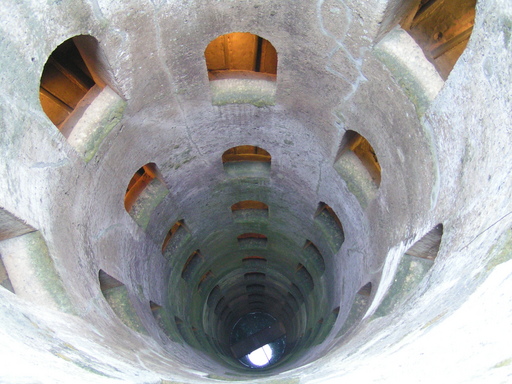
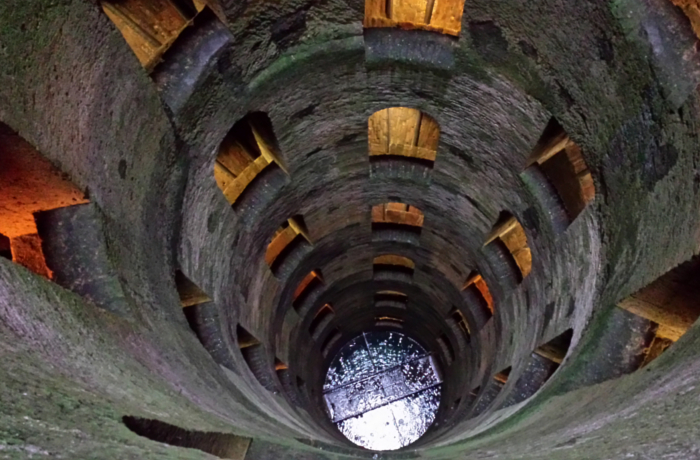
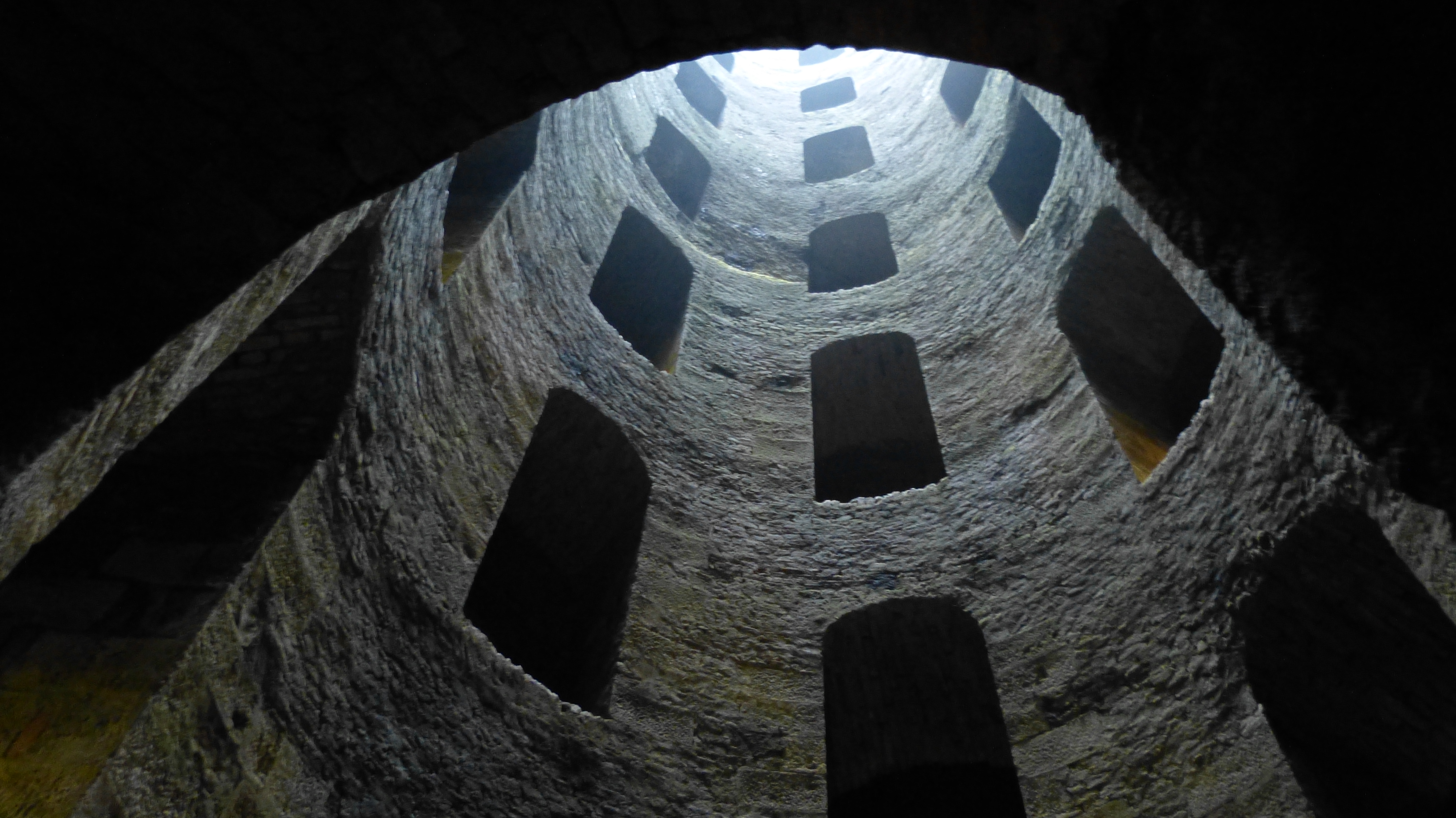
This hydraulic work was originally called the Pozzo della Rocca, as it was close to the Albornoz fortress. It later took the name St. Patrick's because it was probably used, in the second half of the 18th century, as "St. Patrick's Purgatory," in analogy to the underground cavity in which the well-known Irish saint withdrew to pray, and where the unbelievers who ventured as far as the bottom would gain remission of sins and access to Paradise. The work, commissioned from Antonio da Sangallo the Younger in 1527, was commissioned by Pope Clement VII, at about the same time as the redevelopment of the Pozzo della Cava located on the other side of the cliff, to ensure water for the city in case of siege. Completed in 1537under Paul III Farnese it denotes, because of its size and careful design layout, all the ambition of being remembered as an arduous and grandiose undertaking. It is a skillful work of engineering, preceded by studies of a hydrogeological nature, which induced both the identification of the most suitable site to reach the clayey stratum of the springs and the covering of part of the walls with bricks, for a better seal. The exterior of the well is presented, against the backdrop of the hills surrounding the cliff, as a wide, low cylindrical construction decorated with the Farnese lilies of Paul III, with two diametrically opposed openings for those descending and those ascending. Access to the well, a masterpiece of engineering, is provided by two one-way helical ramps, completely autonomous and served by two different gates, which allowed the extracted water to be transported by mules, without obstructing each other and without having to resort to the only road that went up to the village from the valley floor. - The 54-meter-deep well was made by digging into the tuff of the squat, high plateau of the Tiber valley where the town of Orvieto stands, a fairly hard stone but one that is now suffering, after several centuries, from sewage discharges. - It has a cylindrical shape with a circular base and a diameter of 13 m. - The steps are 248, and the windows that give light to it are 70. Perhaps because of the aura of the sacred and magical that accompanies deep cavities, or out of sheer imitation of film models, modern tourists throw pennies at it with the hope of returning.
St. Patrick's Well - Orvieto | Secret World Trip Planner
🗺 L'app des trésors cachés

Plan your visit to Orvieto

Suggested itinerary near St. Patrick's Well

MAJ+
500.000+ travelers worldwide
  1. 🌅
    Morning
    St. Patrick's Well
    📍 Orvieto
  2. ☀️
    Afternoon
    Orvieto (Umbria)
    📍 0 km · Orvieto
  3. 🌆
    Evening
    Weekend in Orvieto with Secret World: The Ultimate Guide
    📍 0.2 km · Orvieto

Buy Unique Travel Experiences

Powered by Viator

See more on Viator.com

Explore nearby · Orvieto

Frequently Asked Questions

The well was originally named Pozzo della Rocca because of its proximity to the Albornoz fortress, but in the second half of the 18th century it was renamed St. Patrick's Well. This name change reflected its use as a spiritual site analogous to St. Patrick's Purgatory in Ireland, where visitors believed they could gain remission of sins by descending to the bottom of the well.
The renowned Renaissance architect Antonio da Sangallo the Younger designed the well, commissioned by Pope Clement VII in 1527 and completed in 1537 under Pope Paul III Farnese. The project was part of Orvieto's defensive preparations to secure water supply in case of siege, demonstrating ambitious engineering ambitions of the papal period.
The well features two independent helical ramps that spiral down and up separately, allowing mules to transport water without obstruction or interference with each other. The structure includes hydrogeological studies that identified the optimal site to reach underground springs, brick-lined walls for better sealing, and reaches an impressive depth of 54 meters into the tuff stone of Orvieto's plateau.
The well appears as a wide, low cylindrical structure decorated with the Farnese lilies of Pope Paul III, set against the backdrop of hills surrounding Orvieto's cliff. It features two diametrically opposed openings—one for those descending and one for those ascending—creating a distinctive architectural landmark visible from the surrounding valley.
The well was specifically designed to ensure a reliable water supply for the city of Orvieto during military sieges, making it a crucial defensive infrastructure. Its ingenious two-way ramp system allowed continuous water extraction and transport via mules without disrupting the single road connecting the town to the valley below, ensuring the city could sustain itself during prolonged attacks.