
← Back

Sybil's Cavern

Strada Provinciale Cuma Licola, 80078 Monterusciello NA, Italia ★★★★☆ 194 views
Ranita Tata
Monterusciello
🏆 AI Trip Planner 2026

Get the free app

Discover the best of Monterusciello with Secret World — the AI trip planner with 1M+ destinations. Get personalized itineraries, hidden gems and local tips. Free on iOS & Android.

🧠 AI Itineraries 🎒 Trip Toolkit 🎮 KnowWhere Game 🎧 Audio Guides 📹 Videos
Scan to download iOS / Android
Scan for AppGallery Huawei users

About Sybil's Cavern

Sybil's Cavern - Monterusciello | Secret World Trip Planner

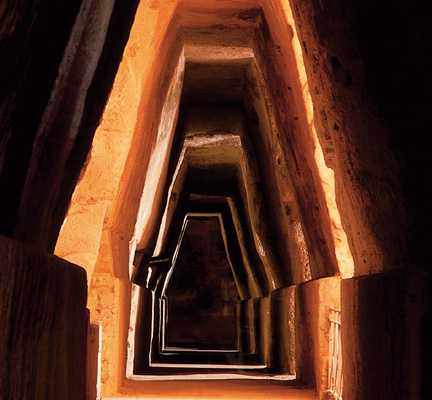
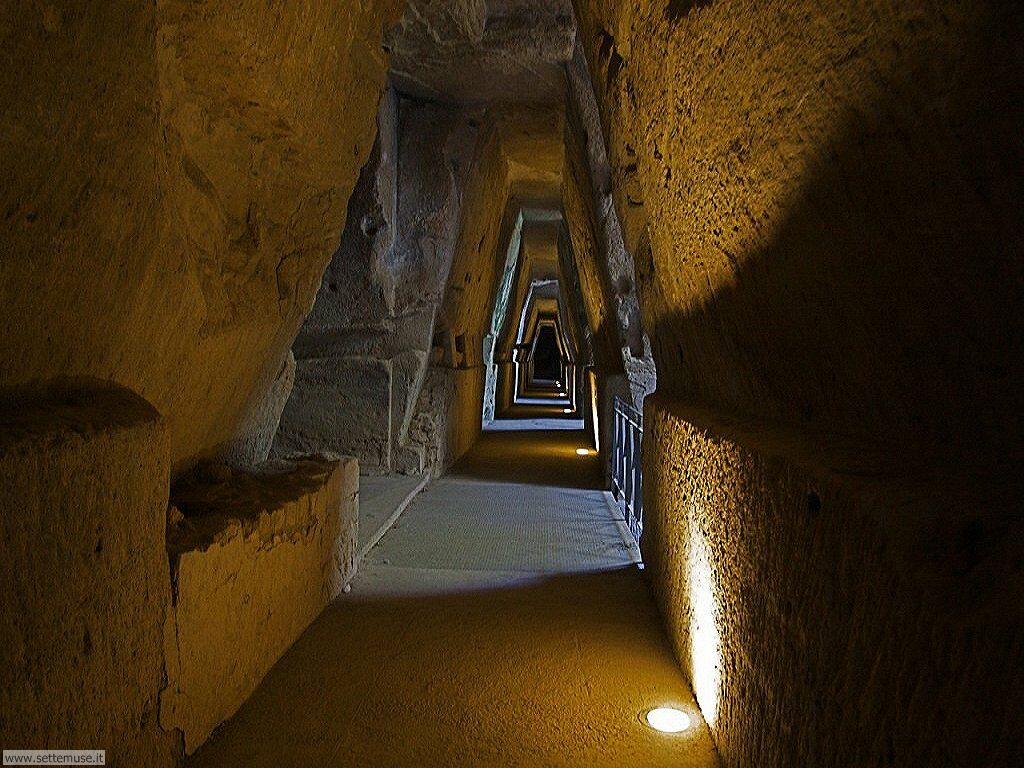
But what was this burrow really? The seat of the Sibyl or a defensive structure? Many people wonder, but a precise answer is not known by anyone. Discovered in 1932, the long rectilinear tunnel with a trapezoidal cross-section and a north-south trend was interpreted by early excavators as the place where the Sibyl, the prophetess of the god Apollo, received her worshippers and prophesied in the name of the god. But who was the Sibyl? Legend has it that the Sibyl was a young woman. The god in love with her offered her anything as long as she became his priestess, and she asked him for immortality but forgot to ask for youth. She therefore grew older and older, her body becoming small and worn out like that of a cicada. So they decided to put her in a cage in the temple of Apollo until her body disappeared and only her voice remained. In the Aeneid, Virgil speaks of a cave in Cumae, near Lake Avernus, known as "The Cavern of the Sibyl," where the Sibyl precisely transcribed her vaticini on palm leaves which mixed by the winds coming from the 100 openings of the cavern were made "sibylline." This is the first and most imaginative interpretation of the Cumaean structure. Other scholars, on the other hand, speak of the "cavern" as a corridor cut into the tufa at the base of the acropolis and lit to the west by regularly spaced side arms running about 100 m parallel to the silted-up harbor below. Its position, defending the entrance to the Acropolis has therefore led to the assumption that it was a work of a defensive nature built between the late 4th and 3rd centuries B.C. an era to which an extension and reinforcement of the walls of the acropolis of Cumae dates.

Sybil's Cavern - Monterusciello | Secret World Trip Planner

In Roman times the floor level was lowered to its present height and the gallery was transformed into a service cryptoporticus connected to the outer terrace of the Acropolis. A number of masonry box tombs, placed at the bottom of the cisterns in the central area, and the room with arcosolium and benches in front of the side exit date to the Early Christian period. In the post-classical age some side arms were used as a quarry.

In light of the two hypotheses presented about the trapezoidal structure--how to interpret it?
Sybil's Cavern - Monterusciello | Secret World Trip Planner
🗺 L'app des trésors cachés

Plan your visit to Monterusciello

Suggested itinerary near Sybil's Cavern

MAJ+
500.000+ travelers worldwide
  1. 🌅
    Morning
    Sybil's Cavern
    📍 Monterusciello
  2. ☀️
    Afternoon
    Kelleys Island
    📍 0 km · Monterusciello
  3. 🌆
    Evening
    The incredible tree that grows under the ground - Naples
    📍 1.4 km · Monterusciello

Buy Unique Travel Experiences

Powered by Viator

See more on Viator.com

Explore nearby · Monterusciello

Frequently Asked Questions

The true purpose remains debated among scholars. Early excavators believed it was the Sibyl's seat where she received worshippers and prophesied for Apollo, inspired by Virgil's account in the Aeneid of a cave near Lake Avernus where the Sibyl wrote prophecies on palm leaves. However, this interpretation remains unproven and is considered the most imaginative version of the site's history.
According to legend, the Sibyl was a young woman who asked Apollo for immortality in exchange for becoming his priestess, but forgot to ask for eternal youth. Over time, her body shriveled to cicada-like proportions, so priests placed her in a cage in Apollo's temple where only her voice remained, and she continued to prophesy.
Yes, many scholars argue the cavern was actually a defensive corridor carved into tufa rock at the base of the acropolis, built between the late 4th and 3rd centuries B.C. Its strategic position defending the acropolis entrance and alignment with the reinforced walls of that era support this military theory over the religious one.
During the Roman period, the cavern's floor level was lowered and it was transformed into a service cryptoporticus connected to the outer terrace of the Acropolis. The gallery was also adapted to include masonry box tombs and rooms with arcosolium benches, showing its repurposing for practical administrative and burial functions.
The cavern was discovered in 1932 near Cumae, close to Lake Avernus in the Naples region. It features a long rectilinear tunnel with a trapezoidal cross-section running north-south, with approximately 100 regularly spaced side openings that extend about 100 meters parallel to the silted-up harbor below.