
← Back

The ancient Latin colony of Alba Fucens

Via Alba Fucens, 67062 Massa D'albe AQ, Italia ★★★★☆ 377 views
Mikaela kelly
Via Alba Fucens
🏆 AI Trip Planner 2026

Get the free app

Discover the best of Via Alba Fucens with Secret World — the AI trip planner with 1M+ destinations. Get personalized itineraries, hidden gems and local tips. Free on iOS & Android.

🧠 AI Itineraries 🎒 Trip Toolkit 🎮 KnowWhere Game 🎧 Audio Guides 📹 Videos
Scan to download iOS / Android
Scan for AppGallery Huawei users

About The ancient Latin colony of Alba Fucens

The ancient Latin colony of Alba Fucens - Via Alba Fucens | Secret World Trip Planner

The ancient Latin colony of Alba Fucens, in the current hamlet of Massa d'Albe (AQ), was founded by the Romans in 303 B.C., in the Equi territory, north of Lake Fucino, in an environmental and landscape context of great charm.
The ancient Latin colony of Alba Fucens - Via Alba Fucens | Secret World Trip Planner

The excavation campaigns conducted by Belgian scholars, starting in 1949, and by the Soprintendenza per i Beni Archeologici dell'Abruzzo since 2006 have brought to light part of the inhabited area, surrounded by walls in polygonal work and divided into regular blocks within which the public and private buildings are located.

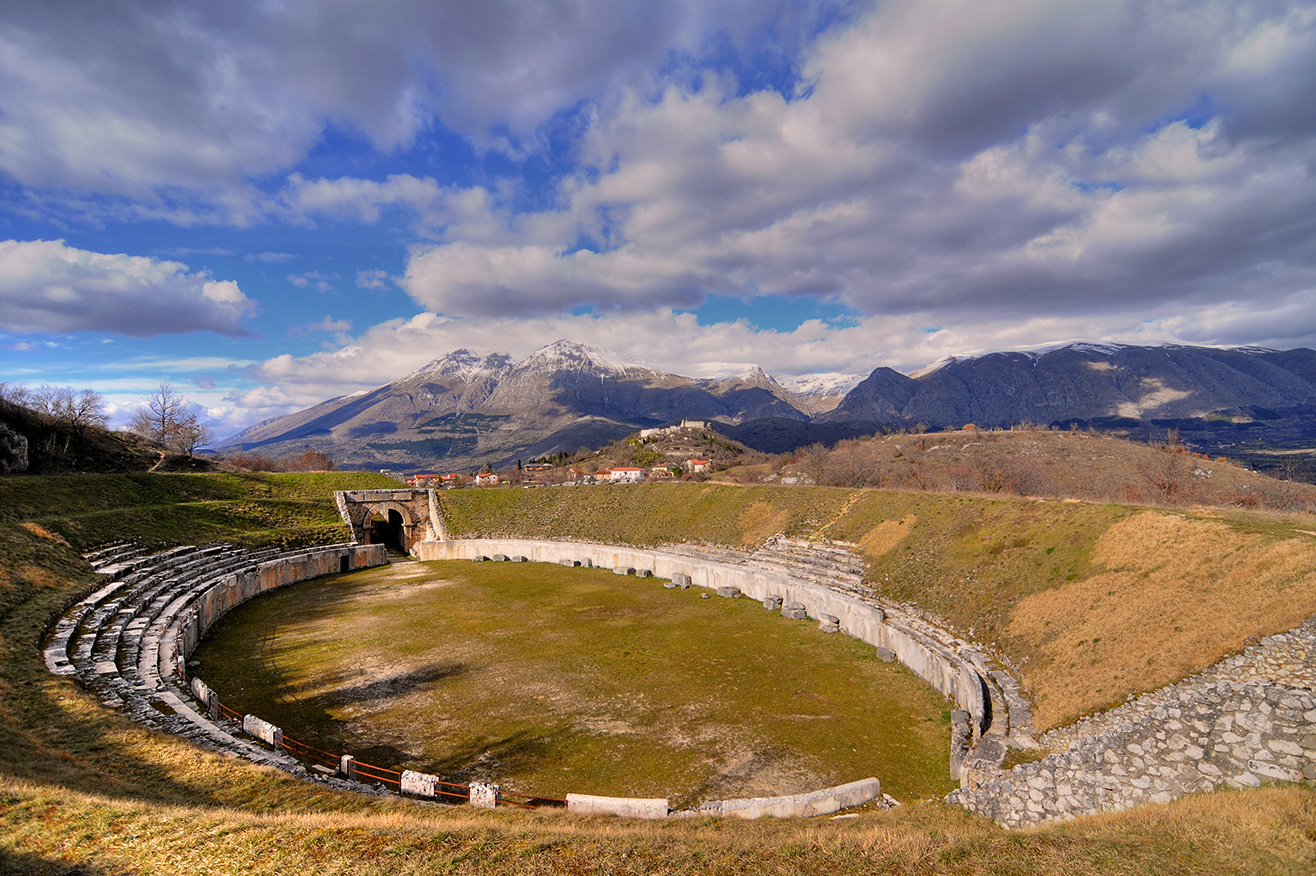
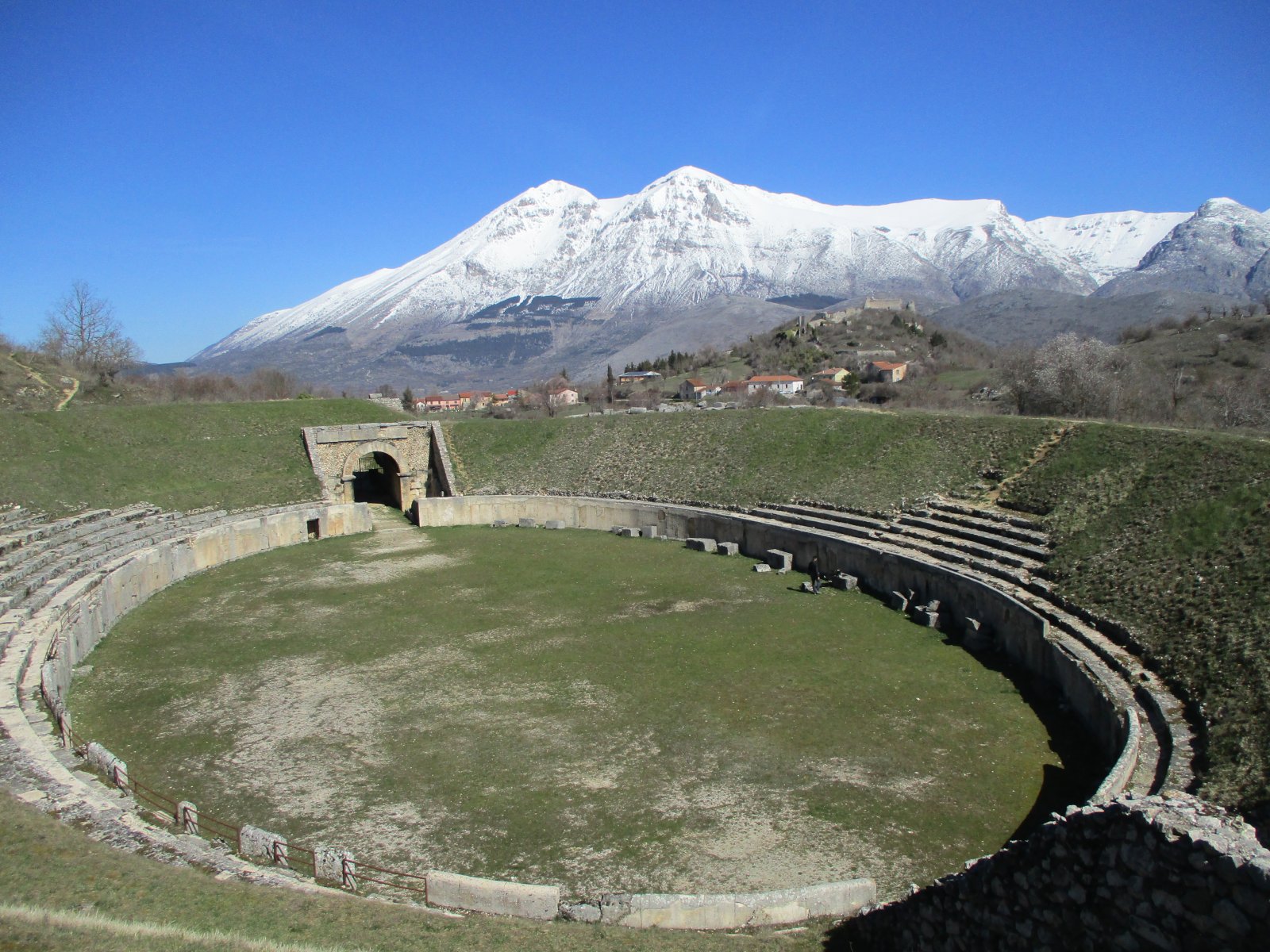
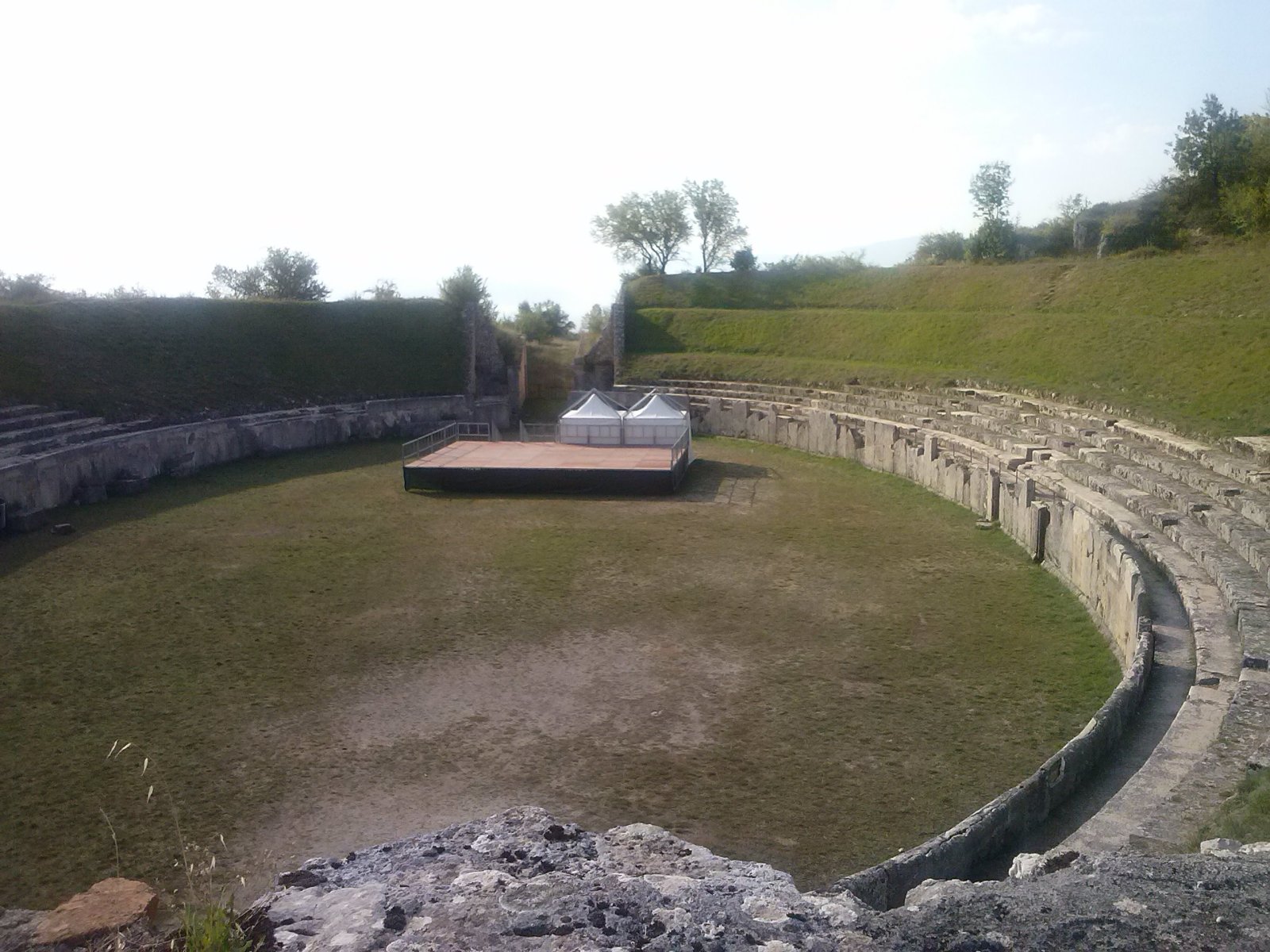
On the slopes of the hill of San Pietro, on which stood the temple of Apollo, is the amphitheatre built at the beginning of the 1st century A.D.; of the theatre is the cavea along the Pettorino hill on the top of which another temple was situated.
The ancient Latin colony of Alba Fucens - Via Alba Fucens | Secret World Trip Planner

The visit route winds through the monumental centre of the colony; the main roads, via del Miliario, via dei Pilastri and via dell'Elefante, delimit the central area, where the public buildings are located: from north to south, forum, basilica, macellum, baths and sanctuary of Hercules. On the sides of the streets are the tabernae and some of the houses that also occupied the slopes of the hills.

On the top of St. Peter's, you can visit the remains of the temple, incorporated in the church of the same name; the amphitheatre can be reached along a path that is detached from the access road to the hill.

The museum in Alba Fucens is currently being set up; some of the main works, including the colossal Hercules Epitrapezios, are currently on display at the National Archaeological Museum of Abruzzo in Villa Frigerj in Chieti.


🗺 L'app des trésors cachés

Plan your visit to Via Alba Fucens

Suggested itinerary near The ancient Latin colony of Alba Fucens

MAJ+
500.000+ travelers worldwide
  1. 🌅
    Morning
    The ancient Latin colony of Alba Fucens
    📍 Via Alba Fucens
  2. ☀️
    Afternoon
    Alba Fucens, the ancient Roman city
    📍 0.2 km · Via Alba Fucens
  3. 🌆
    Evening
    Church of San Pietro in Albe
    📍 0.3 km · Via Alba Fucens

Buy Unique Travel Experiences

Powered by Viator

See more on Viator.com

Explore nearby · Via Alba Fucens

Frequently Asked Questions

Alba Fucens was founded by the Romans in 303 B.C. in the territory of the Equi people, north of Lake Fucino. Today, the archaeological site is located in the hamlet of Massa d'Albe in the province of Aquila (AQ) in Abruzzo, Italy, situated in a charming environmental and landscape setting.
The main attractions include the amphitheatre built at the beginning of the 1st century A.D. on the slopes of San Pietro hill, the temple of Apollo, a well-preserved theatre with its cavea along the Pettorino hill, and the monumental centre featuring the forum, basilica, macellum (market), public baths, and sanctuary of Hercules. The site also preserves polygonal walls surrounding the inhabited area and residential buildings distributed along the main streets.
The monumental centre of Alba Fucens is organized along three main roads: via del Miliario, via dei Pilastri, and via dell'Elefante, which delimit the central area where public buildings are located. The colony was divided into regular blocks following a planned urban layout, with tabernae (shops) and houses distributed along the streets and on the surrounding hills, all enclosed by impressive polygonal walls.
While a museum at Alba Fucens is currently being set up, the main archaeological finds are currently displayed at the National Archaeological Museum of Abruzzo in Villa Frigerj in Chieti. Notable pieces include the colossal Hercules Epitrapezios sculpture, which represents one of the most important discoveries from the site.

Excavation campaigns began in 1949 led by Belgian scholars, and have continued since 2006 under the Soprintendenza per i Beni Archeologici dell'Abruzzo. These investigations have brought to light substantial portions of the inhabited area, revealing the colony's urban planning, public and private buildings, temples, and various artifacts that demonstrate the importance of this Roman settlement.