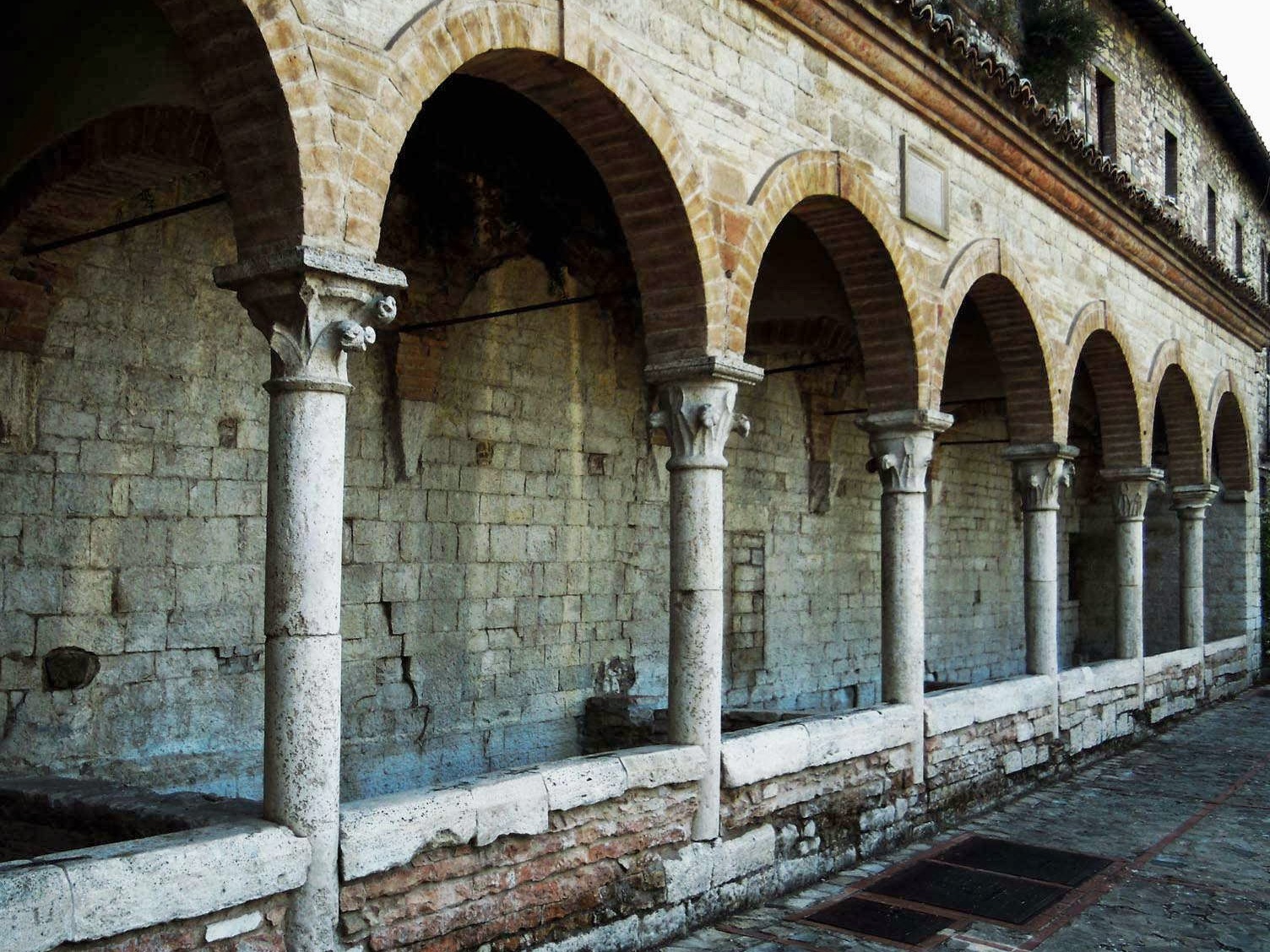

Nestled in the heart of the picturesque Umbrian town of Todi, the Fountains of Scannabecco stand as a testament to medieval ingenuity and artistic ambition. Constructed in 1241 under the watchful eye of Scannabecco dei Fagnani, the then podestà (chief magistrate) of Todi, these fountains offer visitors more than just a refreshing respite; they are a gateway to the region's rich historical and cultural tapestry.
The fountains were built during a time when Todi was a thriving commune, eager to display its wealth and sophistication. The construction of such elaborate public works was not just a demonstration of civic pride but also a practical necessity. Water was a precious resource, and the fountains served as a vital supply for the inhabitants of Todi. The choice of location was strategic, ensuring accessibility to the town's bustling central areas.
Architecturally, the fountains are a marvel of medieval design. The structure is dominated by a graceful portico supported by seven columns, each adorned with intricately carved capitals that reflect the artistic styles of the period. These columns uphold round arches, creating a harmonious blend of form and function. The fountains' design is believed to draw inspiration from Roman architecture, showcasing the enduring influence of ancient Rome on medieval Italian art and construction.
Culturally, the fountains have been a focal point of community life in Todi for centuries. They have witnessed countless historical events, from festive processions to solemn gatherings. The local San Fortunato Festival, honoring Todi's patron saint, often sees the fountains as a backdrop for celebrations. During these events, the square around the fountains is alive with music, dance, and the aroma of traditional Umbrian dishes.
Todi is renowned for its culinary delights, deeply rooted in the land's agricultural bounty. Visitors can savor local specialties such as torta al testo, a type of flatbread, or indulge in rich, savory dishes like porchetta—a succulent roast pork seasoned with garlic and herbs. The region's wines, particularly the Grechetto di Todi, offer a crisp complement to the hearty fare, providing a taste of Umbria's vineyards.
For those keen on uncovering hidden stories and secrets, the Fountains of Scannabecco do not disappoint. One lesser-known fact is the presence of subtle inscriptions and symbols etched into the stone, believed to be protective charms or markers left by stone masons. These enigmatic carvings provide a glimpse into the medieval mindset, where art and superstition intertwined.
Visitors planning a trip to the fountains will find the best time to explore is during the late spring or early autumn, when the weather is pleasantly mild, and the tourist crowds have thinned. Early morning visits offer a peaceful atmosphere, with the rising sun casting a golden light on the ancient stones. As you wander, take a moment to appreciate the craftsmanship of the columns and the gentle sound of water—a soothing reminder of the fountains' enduring role in Todi's daily life.
While at the site, be sure to explore the surrounding area. The nearby streets of Todi boast charming shops and cafes where one can enjoy a leisurely espresso or gelato. The town itself, with its medieval architecture and panoramic views of the Umbrian countryside, offers plenty to discover beyond the fountains.
In essence, the Fountains of Scannabecco are more than just an architectural relic; they are a living piece of history, a cultural beacon, and a testament to the artistic spirit that has long defined Todi. Whether you're a history buff, an art lover, or a curious traveler, the fountains promise a rich and rewarding experience, inviting you to step back in time and immerse yourself in the heart of medieval Umbria.