
← Back

Three Martyrs Square

Piazza Tre Martiri, 47921 Rimini RN, Italia ★★★★☆ 131 views
Giovanna Monroe
Rimini
🏆 AI Trip Planner 2026

Get the free app

Discover the best of Rimini with Secret World — the AI trip planner with 1M+ destinations. Get personalized itineraries, hidden gems and local tips. Free on iOS & Android.

🧠 AI Itineraries 🎒 Trip Toolkit 🎮 KnowWhere Game 🎧 Audio Guides 📹 Videos
Scan to download iOS / Android
Scan for AppGallery Huawei users

About Three Martyrs Square

Three Martyrs Square - Rimini | Secret World Trip Planner

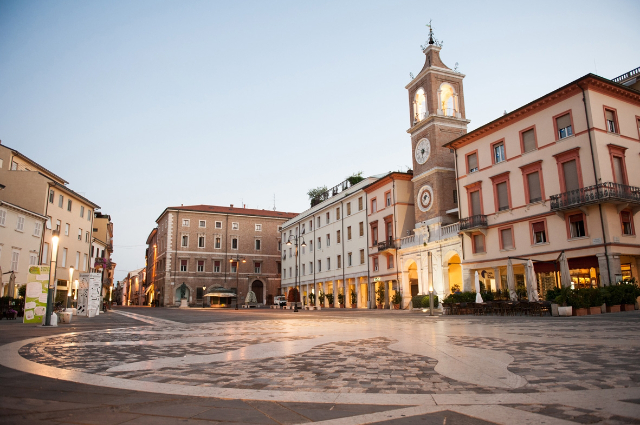
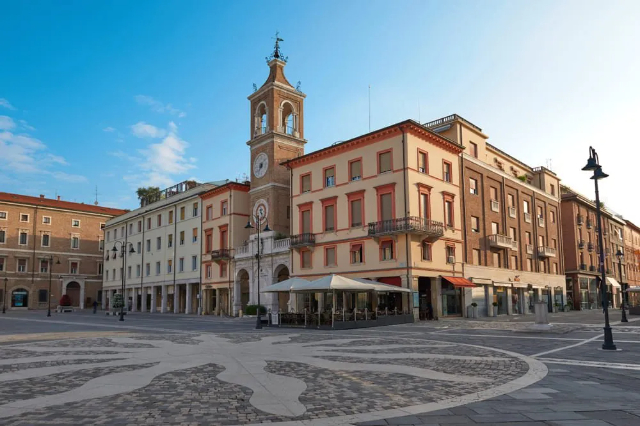
To take a tour of Three Martyrs Square in Rimini is to take an immersion in the city's history. Roman remains, monuments from late antiquity (now gone), the Middle Ages, the Renaissance, and remakes from later periods testify to the square's liveliness and dynamism.
Three Martyrs Square - Rimini | Secret World Trip Planner

The square stands exactly on the site of the Roman forum of Ariminum, a Roman colony founded in 268 BC. As was customary in Roman cities, the forum stood at the intersection of the two main streets, the cardo and decumanus. Part of the cobblestones that paved the street are visible today. Linked to the square is the name of Julius Caesar: here, in fact, the famous leader gave his famous speech immediately after crossing the Rubicon. In memory of this event, there is an honorary cippus, from the 16th century, and a bronze statue depicting Caesar, a copy of a Roman original.

Three now-destroyed churches belonged to the late antique age: that of St. Michael, St. George and St. Innocence. The square was also the scene of knightly events and tournaments under the Malatesta family. In 1497 the construction of the Clock Tower slightly changed the appearance of the square, making it more elongated as we see it today. Starting in 1750 a dial with a calendar, moon phases and zodiac signs adorned the Tower. Also from the 18th century is Palazzo Tingoli, which today frames the square.

The square remains especially linked to the period of World War II with the War Memorial. In memory of the war events, the square changed its name to Three Martyrs Square. The name is in memory of the three martyrs, Mario Capelli, Luigi Nicolò and Adelio Pagliarani, partisans belonging to the XXIX Brigade "Gastone Scozzi" who died here hanged on August 16, 1944.


🗺 L'app des trésors cachés

Plan your visit to Rimini

Suggested itinerary near Three Martyrs Square

MAJ+
500.000+ travelers worldwide
  1. 🌅
    Morning
    Three Martyrs Square
    📍 Rimini
  2. ☀️
    Afternoon
    Three Martyrs Square
    📍 0 km · Rimini
  3. 🌆
    Evening
    Secret World App Review Rimini 2026: Your Ideal Guide
    📍 0 km · Rimini

Buy Unique Travel Experiences

Powered by Viator

See more on Viator.com

Explore nearby · Rimini

Frequently Asked Questions

Three Martyrs Square stands on the site of the Roman forum of Ariminum, founded in 268 BC, making it one of Rimini's most historically layered locations. The square showcases remains and monuments spanning from Roman times through the Renaissance, and was renamed after World War II to honor three partisan martyrs—Mario Capelli, Luigi Nicolò, and Adelio Pagliarani—who were hanged there on August 16, 1944.
According to historical records, Julius Caesar delivered his famous speech at this location immediately after crossing the Rubicon. The square commemorates this pivotal moment with a 16th-century honorary cippus and a bronze statue of Caesar, which is a copy of a Roman original, making it a must-see for history enthusiasts.
The square features the Clock Tower, constructed in 1497, which was later adorned in the 18th century with a dial displaying calendar, moon phases, and zodiac signs. You can also see original Roman cobblestones from the ancient forum, and Palazzo Tingoli from the 18th century, which frames the square beautifully.
During the Middle Ages, the square was the scene of knightly events and tournaments under the rule of the Malatesta family, demonstrating its importance as a civic center. The construction of the Clock Tower in 1497 physically transformed the square's layout, making it more elongated than its original Roman forum design.
The square was renamed after World War II to honor three partisan fighters—Mario Capelli, Luigi Nicolò, and Adelio Pagliarani—who were executed by hanging on August 16, 1944. These brave resistance members belonged to the XXIX Brigade "Gastone Scozzi" and their sacrifice is commemorated through the War Memorial and the square's significant name change.