

← Back

Valcalepio the garden of Bergamo

24060 Carobbio degli Angeli BG, Italia ★★★★☆ 329 views
Karla Smith
Carobbio degli Angeli
🏆 AI Trip Planner 2026

Get the free app

Discover the best of Carobbio degli Angeli with Secret World — the AI trip planner with 1M+ destinations. Get personalized itineraries, hidden gems and local tips. Free on iOS & Android.

🧠 AI Itineraries 🎒 Trip Toolkit 🎮 KnowWhere Game 🎧 Audio Guides 📹 Videos
Scan to download iOS / Android
Scan for AppGallery Huawei users

About Valcalepio the garden of Bergamo

Valcalepio the garden of Bergamo - Carobbio degli Angeli | Secret World Trip Planner

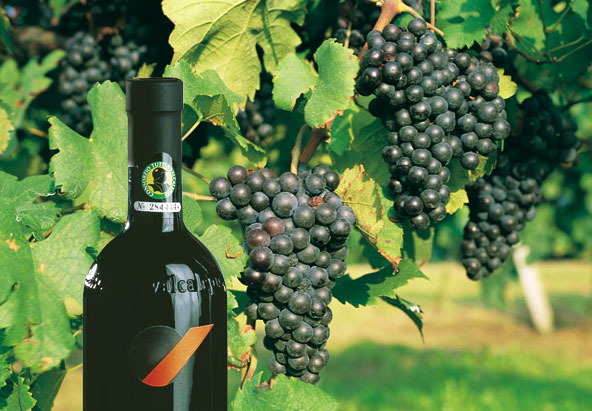
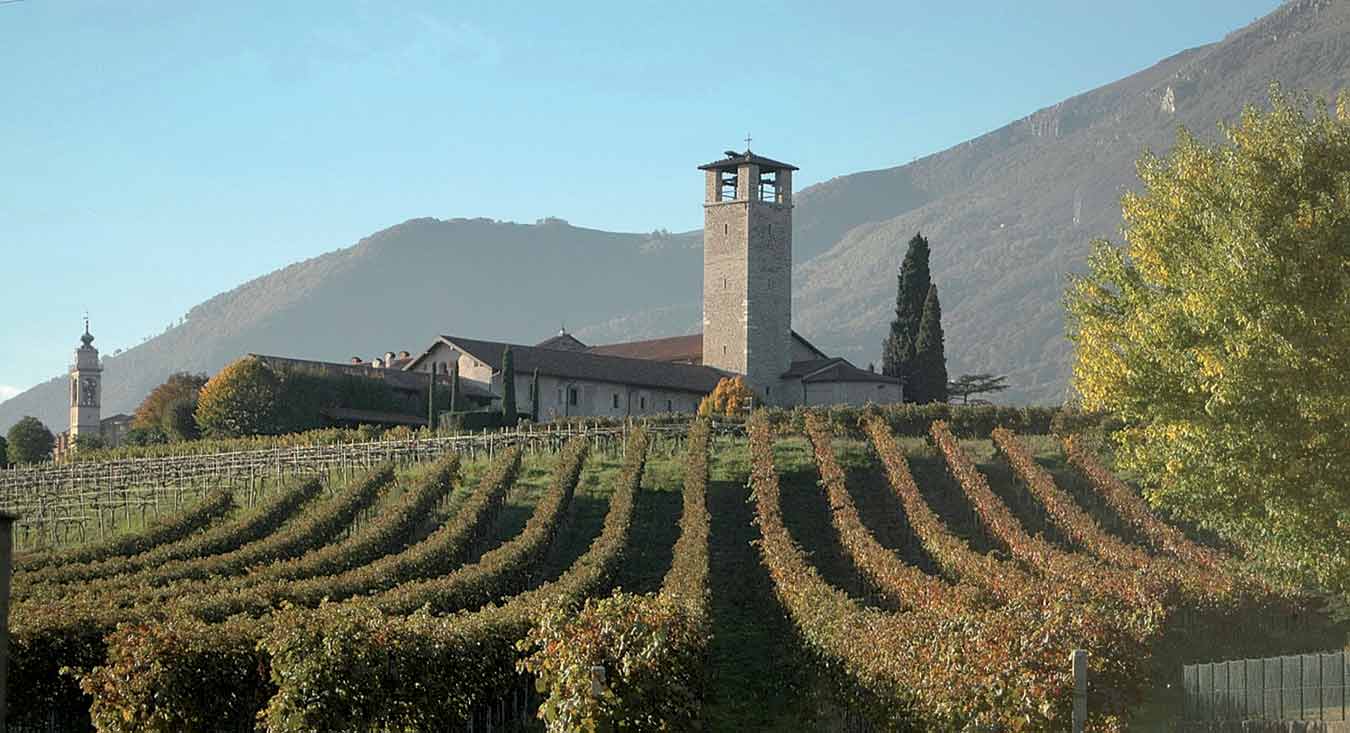
The winemaking tradition in the Valcalepio is very old and dates back to Roman times. In fact, the equipment of legionnaires going into battle included a vine shoot-a piece of vine shoot-to be planted in the handkerchief of land given to them as a reward. In Bergamo, vine cultivation became so important to the Romans that they dedicated a temple to Bacchus in the ancient village of San Lorenzo. During the Lombard invasion vines suffered a production collapse and viticulture was practiced only on ecclesiastical properties. It was necessary to wait until 1243 for vines to be replanted in Bergamo, thanks to the victory of the free communes over Barbarossa and the Statute of Vertova, which required anyone who held communal lands for rent to plant a vineyard on them. In the late 1300s the Guelphs looted the homes of the Ghibellines of Scanzo, carrying away 170,000 liters of muscatel and red wine. At the end of the next century Benedictines settled in the Abbey of Pontida and the Abbey of San Paolo d'Argon, laying the foundations of what would become the most important wine centers in the Bergamo area. Between 1400 and 1600 Bergamo produced more wine than it needed, allocating the excess to trade with the Milanese. But in the 1700s as silkworm breeding developed, vines were replaced with mulberry trees, and in the early 1800s wine had to be imported from other regions. In 1886 the invasion of phylloxera destroyed almost all the vineyards in ten years, which were not only restored in a short time but the area was expanded. In 1950 the Chamber of Commerce promoted innovation in viticulture by pushing farmers to use new grape varieties. Although the current extent of cultivated land is greatly reduced, improved plantings and winemaking techniques have resulted in a high quality product that received DOC recognition in 1993 in red, white and muscat passito types.
Valcalepio the garden of Bergamo - Carobbio degli Angeli | Secret World Trip Planner
🗺 L'app des trésors cachés

Plan your visit to Carobbio degli Angeli

Suggested itinerary near Valcalepio the garden of Bergamo

MAJ+
500.000+ travelers worldwide
  1. 🌅
    Morning
    Valcalepio the garden of Bergamo
    📍 Carobbio degli Angeli
  2. ☀️
    Afternoon
    Valcalepio D.O.C. wine
    📍 0.6 km · Carobbio degli Angeli
  3. 🌆
    Evening
    The Suardi Chapel and Lorenzo Lotto's frescoes
    📍 3.5 km · Carobbio degli Angeli

Buy Unique Travel Experiences

Powered by Viator

See more on Viator.com

Explore nearby · Carobbio degli Angeli

Frequently Asked Questions

The winemaking tradition in Valcalepio dates back to Roman times, when legionnaires were even given vine shoots to plant as part of their land rewards. The Romans valued viticulture so highly in Bergamo that they built a temple dedicated to Bacchus in the ancient village of San Lorenzo.
During the Lombard invasion, vine production collapsed dramatically, and viticulture was only maintained on ecclesiastical properties. Wine cultivation wasn't revived until 1243, when the Statute of Vertova required anyone renting communal lands to plant vineyards on them.
In the 1700s, as silkworm breeding became popular, vineyards were replaced with mulberry trees, forcing the region to import wine from other areas by the early 1800s. A devastating phylloxera invasion in 1886 destroyed nearly all remaining vineyards within a decade, though they were quickly restored and the cultivated area was actually expanded.
Despite a greatly reduced cultivated land area compared to historical times, Valcalepio achieved DOC (Denominazione di Origine Controllata) recognition in 1993 for its red, white, and muscat passito wines. Modern improved plantings and winemaking techniques have resulted in high-quality products that reflect centuries of viticultural tradition.
At the end of the 15th century, Benedictines settled in the Abbey of Pontida and the Abbey of San Paolo d'Argon, establishing what would become the most important wine centers in the Bergamo area. Between 1400 and 1600, the region produced so much wine that it exported the surplus to Milan for trade.