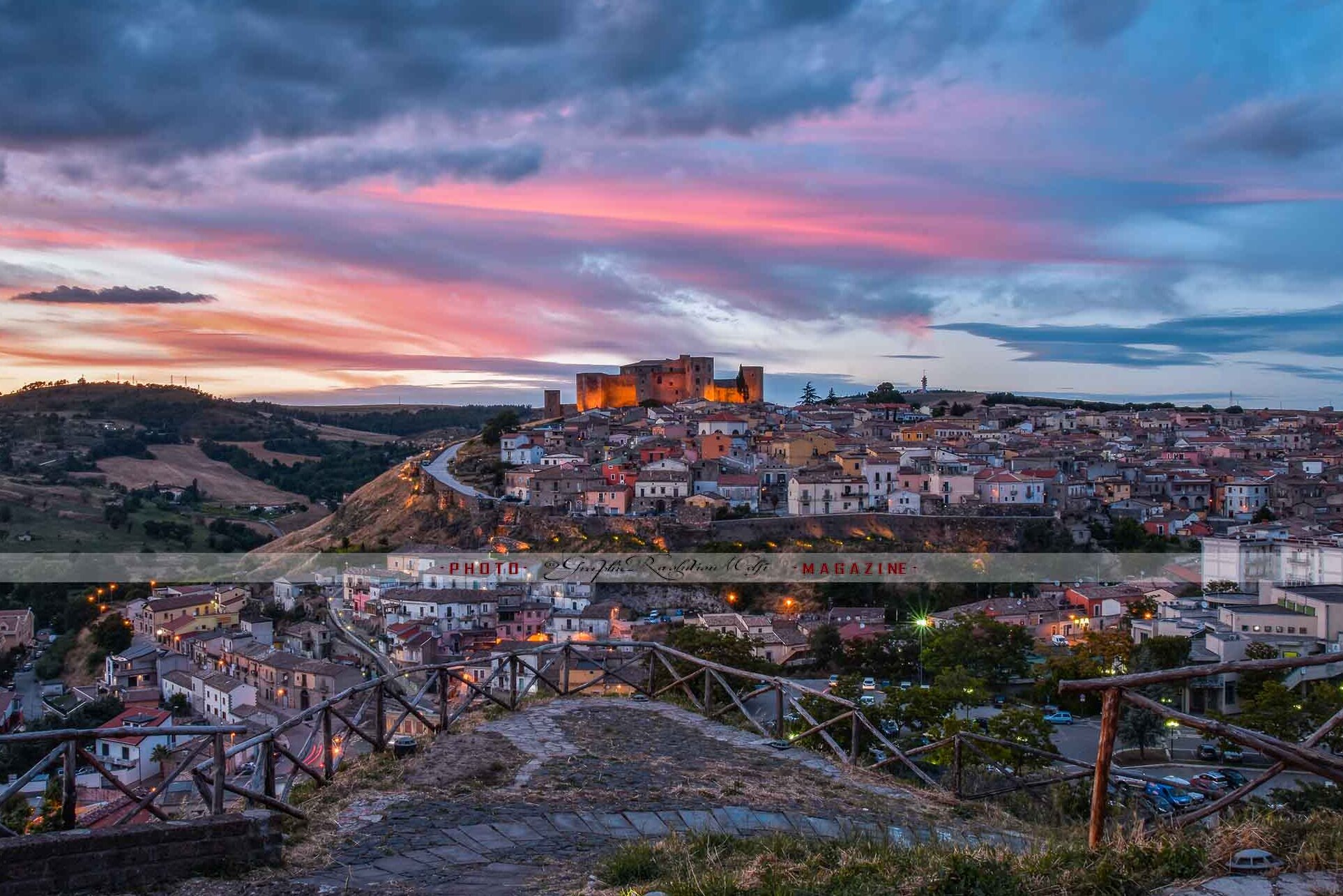

Nestled among the undulating volcanic hills of northeastern Basilicata, Melfi is a hidden gem that whispers tales of its rich past through its cobblestone streets and ancient structures. A place where time seems to stand still, Melfi is steeped in history, culture, and the culinary delights that make it a treasure worth exploring.
The origins of Melfi are shrouded in mystery, though it is believed to have been founded sometime before the Roman era. The Dauni and Lucanian tribes, who inhabited this region, left behind significant archaeological traces, particularly in funerary practices that reflect their beliefs about the afterlife. The strategic location of Melfi made it a coveted prize throughout history. In the 11th century, it became a stronghold for the Normans, who fortified the town and established it as a center of power.
However, it was during the reign of Frederick II, the Holy Roman Emperor in the 13th century, that Melfi truly flourished. Frederick, an avid hunter, chose the Castle of Melfi as his residence. This castle, perched majestically on a volcanic plateau, offers panoramic views of the surrounding valleys. In 1231, he convened a parliament here and issued the Constitutiones Augustales, a groundbreaking set of civil and penal laws that marked a significant shift in the governance of his empire. The castle itself, made from local lava stone, remains a striking example of medieval architecture and is now home to the National Archaeological Museum of Melfi. The museum's collections provide insight into the lives of the ancient peoples who inhabited this fertile land, showcasing artifacts from protohistory to the Roman period.
As you wander through the narrow streets of Melfi, you can’t help but feel the pulse of its local culture. The town is known for its vibrant traditions, particularly during the Feast of Saint Michael, celebrated every September. This festival is a colorful display of religious devotion and local pride, featuring processions, folk music, and traditional dances that bring the community together. The locals take great pride in their heritage, with many families participating in age-old crafts and culinary practices that have been passed down through generations.
Speaking of culinary delights, Melfi is a paradise for food lovers. The region is famous for its Aglianico del Vulture, a robust red wine that pairs beautifully with local dishes. The cuisine here is hearty and flavorful, with staples like pasta alla potentina, a rich pasta dish made with potatoes and seasoned with local herbs. Another must-try is Pane di Melfi, a traditional bread that has earned the PAT (Prodotto Agroalimentare Tradizionale) designation, signifying its cultural and historical significance in Italian cuisine. For those with a sweet tooth, the Pasticciotto, a creamy pastry filled with custard, is a delightful treat that encapsulates the essence of Melfi’s baking tradition.
Despite its historical significance, Melfi remains relatively off the beaten path, offering a sense of authenticity rarely found in more crowded tourist destinations. One lesser-known fact is that Melfi was once a center for the Cistercian monks, who established a monastery in the area that contributed to the agricultural development of the region. Today, remnants of this monastic past can still be seen, providing a fascinating glimpse into the spiritual life that once thrived here.
For those planning a visit, the best time to explore Melfi is during the spring and early autumn months when the weather is mild, and the surrounding countryside is alive with blooming wildflowers and vibrant foliage. Be sure to take a leisurely stroll through the town’s historic center, where you can admire the Romanesque-style Cathedral of Santa Maria Assunta, whose intricate façade reflects the town’s architectural evolution.
If you're keen on immersing yourself in local life, consider timing your visit to coincide with one of the town's vibrant festivals, where you can experience traditional music and dance while savoring local delicacies.
In conclusion, Melfi is more than just a destination; it is a tapestry of history, culture, and gastronomy waiting to be unveiled. Each corner tells a story, inviting you to pause and reflect. To make the most of your journey to this enchanting town, using the Secret World app can help you craft a personalized itinerary that uncovers the unique charm of Melfi.